How to Choose Lithium Battery Storage in 2026?
Choosing Lithium Battery Storage in 2026 is less about chasing a single “best” chemistry and more about matching a system to its daily job. A home backup unit beside a garage wall faces different demands from a commercial installation cycling through peak hours. Start with usable capacity, continuous power, expected cycle life, warranty terms, and the temperature range where the battery will operate. Check the inverter, monitoring tools, installation requirements, and service support too. Details matter. A large capacity number alone does not tell you how long essential appliances will run.
Battery scientist Dr. Shirley Meng, a professor at the University of Chicago, has emphasized the importance of turning promising battery materials into practical, reliable systems. Put simply, chemistry claims must hold up in real use. Compare published specifications with independent testing where available, and ask suppliers how performance changes with temperature, operating conditions, and age. Also check whether the quoted capacity is usable or nominal; those figures are not interchangeable. Not just capacity. A lower-cost system may look attractive, yet replacement costs and limited local support can change the calculation. I would be cautious about treating any forecast as a guarantee: product lines and prices can shift, and real-world data may be limited. The right choice is the one that fits your load profile, installation site, budget, and service expectations—not merely the one with the boldest numbers.
Define Your Energy Storage Needs
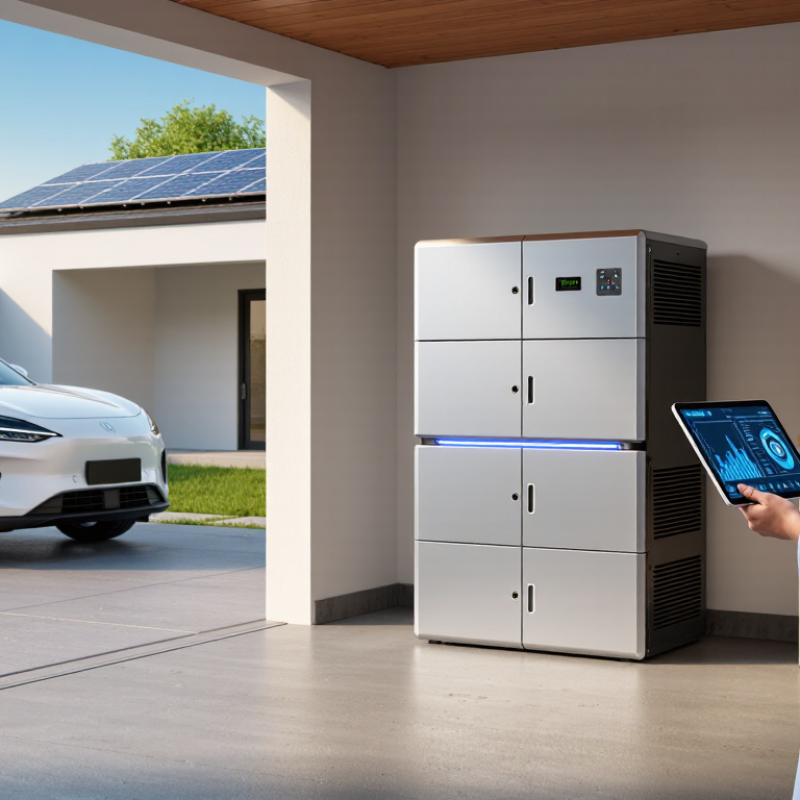
Before comparing lithium battery storage in 2026, define what the system must do at your site. Start with recent electricity bills and, if available, half-hourly meter data. Note daily energy use in kilowatt-hours, peak demand in kilowatts, and when those peaks occur. A home using 12 kWh each day may still need higher output to start a pump or run several appliances together. List the circuits that must stay available during an outage. Lights, refrigerator, router? Keep it practical. Also note how long backup should last, such as four evening hours or a full night. Those needs can lead to different system designs.
Decide whether your priority is backup, lower bills, solar self-consumption, or a combination. Compare usable capacity, continuous output, surge capability, efficiency, and operating limits. Consider how much reserve you need if an outage lasts longer than expected. Seasonal changes matter: winter solar production and heating loads can shift your usage sharply. This estimate will be imperfect. That is normal. Check it against real usage over several weeks, not just one unusually busy day. Consider installation space, temperature exposure, and future loads such as an electric vehicle. A larger battery may sit partly unused; a smaller one may leave essential appliances competing for power. Ask installers to show their sizing assumptions in writing.
| Planning dimension | What to assess | Useful benchmark or method | How it affects your choice |
|---|---|---|---|
| Daily energy use | Electricity used by the loads you want the battery to support, not necessarily the whole property. | Review interval-meter data or bills. List essential loads separately from optional loads. | This is the starting point for sizing capacity. Seasonal and time-of-day use can change the result. |
| Required backup duration | How long the selected loads must run during an outage or low-generation period. | Estimate hours of backup and the energy those loads consume over that period. Longer autonomy requires more stored energy. | Choose a duration that matches the actual use case; backup needs differ from daily solar self-consumption needs. |
| Usable battery capacity | The energy available to your loads after accounting for the battery’s permitted operating range and system losses. | A first estimate is: required usable kWh = load energy (kW × hours). For nominal capacity, allow for the product’s usable-capacity specification and conversion losses. | Compare usable kWh, not just nominal kWh. Check how the manufacturer defines usable capacity. |
| Power output | The combined running power of loads that may operate at the same time, plus short startup surges from some motors. | Compare continuous output in kW and surge capability with appliance requirements. Check both inverter and battery limits. | A battery can have enough kWh but still be unable to run several high-power loads simultaneously. |
| Charging source and rate | Whether charging comes from solar, the grid, a generator, or a combination, and how quickly recharge is needed. | Check maximum charge power, compatible inverter or charger, and available solar generation. Actual charging may be limited by several components. | A high charge rating is useful only if the energy source and rest of the system can supply it. |
| Round-trip efficiency | Energy returned from storage compared with energy used to charge it, under the stated test conditions. | Compare published system-level efficiency figures on the same basis; AC- and DC-coupled configurations may be reported differently. | Higher efficiency can reduce energy losses, but operating conditions and system design matter. |
| Cell chemistry and service life | Chemistry, cycle-life test conditions, warranty terms, and expected operating temperature. | Lithium iron phosphate (LFP) is widely used in stationary storage. Cycle-life figures vary by product and depend on depth of discharge, temperature, and charge rate. | Compare warranty throughput, years, and end-of-warranty capacity terms rather than relying on a cycle-count figure alone. |
| Installation and environment | Indoor or outdoor location, ambient temperature, ventilation, clearances, and local electrical and fire-safety requirements. | Use the product’s specified temperature and installation limits; have a qualified installer confirm site suitability and applicable local codes. | The installation location can affect safety, performance, available products, and total project cost. |
| Expandability and compatibility | Whether storage can be expanded and whether it works with the existing or planned inverter, solar array, meter, and backup circuits. | Confirm approved configurations, communication requirements, and limits on parallel units with the system documentation. | Compatibility checks help avoid redesign costs and ensure the system can deliver the intended backup functions. |
| Budget and value | Installed cost, expected energy use, electricity tariffs, incentives, maintenance, and warranty coverage. | Compare total installed cost and expected savings or backup value over the same assessment period; verify current local incentives and tariffs. | The lowest upfront price may not provide the best value if usable capacity, output, warranty, or compatibility differs. |
Planning note: These are general selection guidelines, not a system design. Confirm final sizing, equipment compatibility, installation requirements, and local regulations with a qualified professional.
Related Posts