How to Choose a Battery Storage Cabinet for Global Sourcing

Global demand for battery energy storage is accelerating, but procurement decisions remain surprisingly uneven. The International Energy Agency reported that battery storage additions reached around 42 GW globally in 2023. Its 2024 Batteries and Secure Energy Transitions report also indicates that global storage capacity must expand several times by 2030 to support clean energy targets. These figures make the Battery Storage Cabinet more than a metal enclosure. It is a critical safety, thermal-management, and logistics component.

Global sourcing adds practical complications. A cabinet may look suitable in product photographs, yet fail to match local voltage, climate, installation space, or grid requirements. Buyers should examine verified test records, cell compatibility, fire-separation design, ingress protection, ventilation, monitoring, and maintenance access. UL 9540A test evidence, IEC-related documentation, and site-specific risk assessments can provide stronger confidence than marketing claims. Requirements differ across countries. Confirm them with qualified engineers and local authorities.

Small details matter. Check cable-entry positions. Measure the door clearance. Review delivery packaging. Ask how the supplier handles damaged modules and replacement parts. BloombergNEF’s annual energy-storage research continues to highlight falling system costs, but lower prices do not automatically mean lower risk. A spreadsheet alone can mislead. I have seen specifications omit temperature derating, service intervals, or battery replacement procedures. That omission may become expensive after installation. This guide explains how to compare suppliers, validate technical evidence, and choose a Battery Storage Cabinet that remains practical from factory inspection to long-term operation.
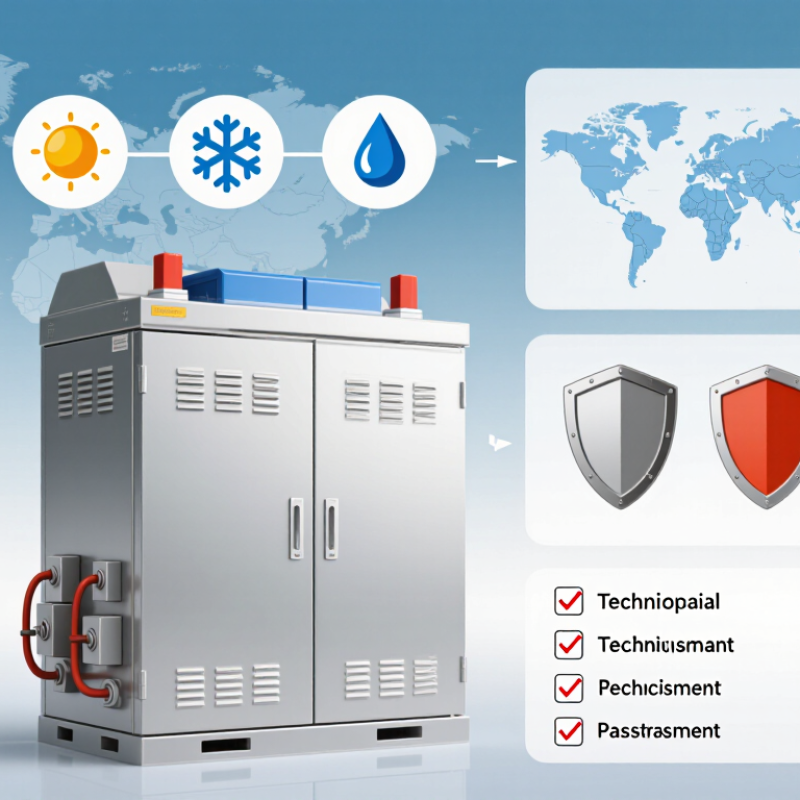
How to Choose a Battery Storage Cabinet for Global Sourcing

Define Battery Storage Cabinet Requirements and Use Cases

Choosing a battery storage cabinet begins with the use case, not its appearance. A cabinet for six portable battery packs differs from one serving a repair workshop. Define the battery chemistry, voltage, capacity, weight, dimensions, and charging method. Record how many units require storage or charging each day. Include peak demand, not only the average.

Location changes the requirements. Measure doorways, floor loading, aisle clearance, and nearby heat sources. Check the room’s temperature, humidity, ventilation, and emergency access. A cabinet may need fire-resistant construction, spill control, smoke detection, thermal monitoring, or automatic power isolation. These features should match local fire codes and workplace rules. Ask suppliers for test reports, material specifications, wiring diagrams, and inspection records. Vague claims create sourcing risk.

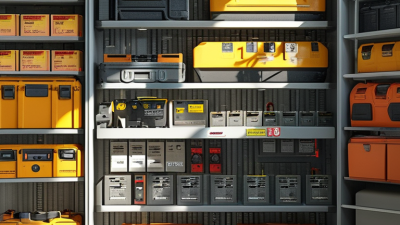
Daily handling also deserves attention. Shelves should support the actual battery weight without bending. Adjustable spacing helps when pack sizes change. Lockable doors, clear labels, cable routing, and protected charging outlets reduce avoidable mistakes. Workers may need to inspect swollen, damaged, or overheated batteries separately. That process must be defined before purchasing. I once treated cabinet capacity as the main requirement, then noticed that door clearance blocked safe removal. A spreadsheet can miss this. Review drawings with the people who will load, charge, inspect, and maintain the cabinet. Small operational details often decide whether the chosen design works in practice.

Compare Battery Chemistry, Capacity, and Cabinet Configurations

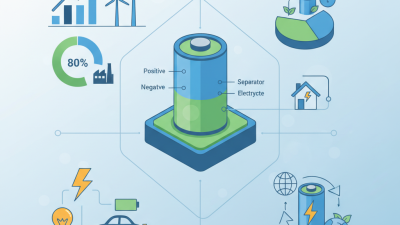
Choosing a battery storage cabinet begins with chemistry, not appearance. Lithium iron phosphate offers strong thermal stability, long cycle life, and steady performance. Nickel-manganese-cobalt cells usually provide higher energy density, but they demand stricter thermal management. Lead-acid systems cost less initially, yet they need more floor space and regular maintenance.

Capacity should match the load profile, not a sales estimate. Measure peak demand, daily energy use, backup duration, and expected temperature changes. A 100 kWh cabinet may support a small facility for several hours, but high startup loads can reduce practical runtime. Ask suppliers for usable capacity, round-trip efficiency, cycle-life conditions, and degradation assumptions. Numbers without test conditions can mislead.

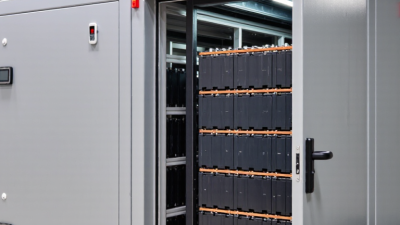
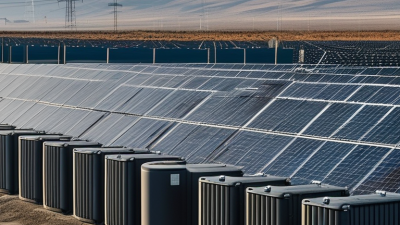
Configuration affects installation and future expansion. Rack-based cabinets simplify cell replacement and phased capacity growth. Integrated cabinets reduce wiring work, but troubleshooting can become less flexible. Outdoor units need weather protection, ventilation, temperature control, and clear service access. Indoor units may require more attention to floor loading and room airflow. Check the battery management system, alarms, disconnects, and monitoring interfaces before ordering. Small details matter. I would also leave spare capacity, although this can increase upfront cost. That trade-off is easy to underestimate during global sourcing. Require consistent documentation, inspection records, packaging specifications, and support procedures across shipment destinations.

Evaluate Safety Standards, Certifications, and Protection Features

When selecting a battery storage cabinet for global sourcing, I check safety evidence before price. In sourcing projects, I have learned that a certificate alone proves very little. The certificate must cover the exact cabinet, battery chemistry, configuration, and production site. The IEA’s 2024 Batteries and Secure Energy Transitions report states that battery storage additions in the power sector nearly doubled in 2023. This rapid growth increases the need for reliable protection, not just attractive specifications.

Look for compliance with IEC 62619, UL 9540, and applicable NFPA 855 requirements. UL 9540A test results can reveal thermal runaway behavior and fire propagation risks. Ask for records covering overcharge, short circuit, insulation, grounding, and temperature protection.

A strong cabinet should include a battery management system, independent disconnects, smoke and heat detection, pressure relief, and suitable fire suppression. IP ratings also matter in dusty or humid sites. However, I still see suppliers presenting laboratory certificates without clear test boundaries. That deserves careful questioning.

Tips: Request complete test reports, not certificates alone. Verify serial numbers and issuing laboratories. Check whether protection devices remain accessible after installation. Confirm local acceptance rules before shipment. A factory audit can expose wiring errors, weak seals, or poor labeling that documents miss. Do not assume one market’s approval transfers globally.

Assess Suppliers, Manufacturing Quality, and Global Compliance

How to Choose a Battery Storage Cabinet for Global Sourcing

A reliable supplier assessment begins before the factory visit. Request ownership details, production capacity, export history, and current quality certifications. A polished showroom can mislead. Ask for evidence.

Inspect how the supplier controls incoming cells, busbars, wiring, and battery management systems. Look for serial-level traceability, torque records, insulation checks, and documented end-of-line testing. Review weld consistency and cabinet alignment. Open a finished unit, if permitted, and examine cable routing, thermal barriers, ventilation paths, and emergency isolation. Photos are not proof. Ask for evidence.

Global compliance requires market-specific documentation. Request test reports, declarations, labeling samples, and transport records such as UN 38.3 documentation where applicable. Confirm whether the cabinet matches relevant electrical, fire-safety, EMC, and enclosure requirements in the destination market. Standards may differ between countries, even for similar products. Check the report scope carefully. It should identify the tested model, configuration, and manufacturing site. Supplier change-control procedures also matter. A substituted component can affect certification and field safety. I would sample incoming materials independently, because supplier records may be accurate yet incomplete. Include factory acceptance tests, spare-part availability, warranty terms, and response times in the purchase contract. No audit is perfect. Keep reviewing performance after delivery.

How to Choose a Battery Storage Cabinet for Global Sourcing

Assess suppliers, manufacturing quality, and global compliance using a practical 100-point procurement scorecard.

The scorecard prioritizes fire safety and compliance because lithium-ion storage cabinets should be evaluated against applicable requirements such as UL 9540, UL 9540A, IEC 62619, UN 38.3 transport testing, and local electrical and fire codes. Supplier capability, traceability, factory quality control, documentation, and after-sales support are also essential for reliable global sourcing.

Verify Logistics, Installation Support, Warranty, and Total Cost

Choosing a battery storage cabinet for global sourcing requires more than comparing price tags. The delivery plan matters just as much. Request packed dimensions, gross weight, pallet design, and required transport conditions before ordering. Confirm whether the shipment needs special declarations, temperature controls, or terminal handling. A cabinet delayed at a port can disrupt an entire site schedule. Ask about spare-part availability near the installation country.

Installation support should be specific, not promotional. Require wiring diagrams, anchoring instructions, commissioning steps, and remote technical assistance in writing. Clarify who checks ventilation, clearances, grounding, and emergency isolation on site. A short video call with an engineer can reveal missing tools or unsafe assumptions. Do not overlook language. Translated manuals and clear fault codes reduce expensive mistakes. Field reviews often reveal delays caused by unclear connector labels.

Warranty terms need measurable boundaries. Check coverage period, battery performance limits, response time, labor responsibility, and return procedures. Ask whether software updates and replacement parts remain available after installation. Calculate total cost using purchase price, freight, duties, insurance, commissioning, training, spares, and likely downtime. That calculation is rarely perfect. Exchange rates and port fees can change. A documented estimate remains stronger than optimism. Leave room for errors, because real projects often expose them.

How to Choose a Battery Storage Cabinet for Global Sourcing - Verify Logistics, Installation Support, Warranty, and Total Cost
Evaluation Dimension Option A
Indoor Cabinet
Option B
Outdoor Cabinet
Option C
Large Outdoor Cabinet
What to Verify Before Ordering
Typical usable energy 90–100 kWh 190–215 kWh 330–372 kWh Confirm whether the quoted capacity is nominal or usable at the stated depth of discharge.
Battery chemistry Lithium iron phosphate (LFP) Lithium iron phosphate (LFP) Lithium iron phosphate (LFP) Request cell datasheets, safety test reports, operating temperature limits, and thermal-management details.
Integrated power conversion Usually external; 50–100 kW PCS Often integrated; 100–215 kW PCS Often integrated; 250–372 kW PCS Check AC voltage, grid frequency, three-phase compatibility, reactive-power capability, and PCS efficiency.
Typical enclosure rating Indoor enclosure; commonly IP20–IP54 Outdoor enclosure; commonly IP54–IP55 Outdoor enclosure; commonly IP54–IP55 Confirm the tested IP or NEMA rating, corrosion protection, rain protection, and suitability for the installation environment.
Approximate packed size 1.2 × 1.0 × 2.0 m 1.3 × 1.3 × 2.4 m 1.6 × 1.4 × 2.6 m Obtain final crate dimensions, center of gravity, lifting points, and container-loading plan before shipment.
Approximate gross weight 1.2–1.8 metric tonnes 2.2–3.2 metric tonnes 3.8–5.5 metric tonnes Verify floor loading, crane or forklift capacity, road-access limits, and local lifting regulations.
Sea-freight planning Usually palletized; may fit standard container loading Container loading requires battery-shipment planning May require special stowage or project-cargo review Request UN 38.3 test summary, SDS, dangerous-goods classification, packing method, and export documents.
Indicative ocean transit planning Approximately 25–60 days, depending on route and customs Approximately 25–60 days, depending on route and customs Approximately 30–75 days, including project handling where required Use a door-to-door quotation that separates production, inland transport, ocean freight, insurance, duties, and destination charges.
Installation complexity Medium; requires room preparation, ventilation, cabling, and external PCS Medium; requires foundation, AC/DC cabling, grounding, and commissioning High; requires structural review, heavy lifting, protection coordination, and commissioning Request single-line diagrams, foundation drawings, cable schedules, installation manuals, and commissioning procedures.
Installation support to request Remote engineering support and commissioning checklist Remote support plus optional on-site commissioning Pre-installation survey, on-site commissioning, operator training, and emergency response plan Confirm response times, travel charges, local service coverage, training hours, and commissioning acceptance criteria.
Safety systems normally required BMS, fuse protection, smoke detection, ventilation, and emergency disconnect BMS, HVAC, fire detection or suppression, emergency stop, and isolation protection Redundant monitoring, fire detection or suppression, emergency stop, isolation, and site integration Verify applicable local fire code, electrical code, emergency-access requirements, and authority approval.
Typical warranty structure Product warranty commonly 3–5 years; capacity warranty often 10 years subject to conditions Product warranty commonly 3–5 years; capacity warranty often 10 years subject to conditions Product warranty commonly 3–5 years; capacity warranty often 10 years subject to conditions Check guaranteed end-of-warranty capacity, cycle or throughput limits, exclusions, labor coverage, and claim procedure.
Indicative equipment cost Approximately USD 250–450 per usable kWh Approximately USD 220–400 per usable kWh Approximately USD 200–360 per usable kWh Treat these as market-planning ranges only; request a configuration-specific quotation with all accessories included.
Additional installed-cost allowance Add approximately 20–40% for PCS, electrical work, HVAC, protection, and commissioning Add approximately 15–30% for civil work, cabling, protection, and commissioning Add approximately 15–35% for heavy lifting, civil work, grid integration, and commissioning Build a total-cost model covering freight, duties, installation, permits, software, spare parts, maintenance, and decommissioning.
Best-fit application Commercial buildings, laboratories, and indoor peak-shaving projects Factories, solar self-consumption, backup power, and medium-sized microgrids Large commercial sites, utility support, renewable-energy integration, and demand management Match the cabinet to load profile, space, grid-connection limits, fire-code requirements, and expected annual cycling.
Overall sourcing priority Lower logistics complexity, but higher site-preparation requirements Balanced choice for many international commercial projects Lower unit cost potential, but higher logistics and installation complexity Select the option with the lowest verified lifetime cost, not simply the lowest purchase price.
Planning note: Cost, transit time, warranty, and technical specifications vary by configuration, destination country, certification requirements, shipping route, and project conditions. All ranges above are typical procurement-planning benchmarks and should be confirmed in the final technical and commercial quotation.


This website uses cookies. By continuing to browse this site you are agreeing to our use of cookies. Please review our Privacy Policy for more information.