10 Tips for Choosing Chemical Storage Containers?
Choosing Chemical Storage Containers is not simply a matter of finding a bottle with a tight lid. The right container must match the chemical, storage environment, handling routine, and expected service life. A solvent may soften an unsuitable plastic, while a corrosive liquid can damage metal closures within weeks. Small details matter. A warped cap, faded label, or brittle gasket can signal a larger safety problem.
This guide presents ten practical tips for making more informed choices. It considers material compatibility, container capacity, closure design, temperature exposure, ventilation needs, labeling, secondary containment, and inspection routines. Reliable decisions should begin with the product’s safety data sheet and guidance from qualified suppliers or safety professionals. Manufacturer specifications also deserve careful attention, especially for strong acids, bases, oxidizers, and flammable liquids. Never guess.
Real workplaces are rarely perfect. Storage rooms become crowded, labels peel, and staff sometimes reuse containers longer than planned. That is exactly why a careful selection process helps. Imagine a five-liter container sitting on a cool shelf, inside a spill tray, with a readable label and an intact seal. That simple scene reflects several good decisions. Still, no container solves every risk. Conditions change, and even a trusted design requires regular review. These tips are intended to support safer, more consistent storage practices without replacing site-specific assessments or professional advice.
Understanding Chemical Compatibility and Container Materials
10 Tips for Choosing Chemical Storage Containers
Understanding Chemical Compatibility and Container Materials
Chemical storage begins with compatibility, not container appearance. Check the safety data sheet before selecting plastic, glass, or metal.
OSHA estimates that its Hazard Communication Standard protects about 43 million workers across 5 million workplaces.
Clear labeling and accurate material information remain essential.
Polyethylene resists many acids, bases, and aqueous solutions, but it can weaken around certain solvents. Polypropylene handles higher temperatures better, although it is not universally resistant.
Glass offers strong chemical stability, yet it can break from impact or sudden temperature changes. Metal containers may corrode when exposed to moisture, acids, or chlorides. Small details matter.
In facility inspections, a recurring mistake is matching containers by chemical name alone. Concentration, temperature, pressure, and storage time can change compatibility. A diluted solution may behave differently from its concentrated form. Check the SDS, manufacturer compatibility charts, and recognized guidance before purchase. Test a small sample when uncertainty remains. That step is easy to skip.
Inspect closures, gaskets, vents, and secondary containment together. The cap material can fail before the container wall. Keep incompatible substances physically separated, especially oxidizers, acids, bases, and water-reactive materials. Chemical resistance tables are useful, but they are not perfect. Real conditions can expose gaps. Record inspection dates, discoloration, swelling, cracks, and softened surfaces. Replace questionable containers before failure becomes visible.
Assessing Capacity, Strength, and Storage Conditions
10 Tips for Choosing Chemical Storage Containers
Assessing Capacity, Strength, and Storage Conditions
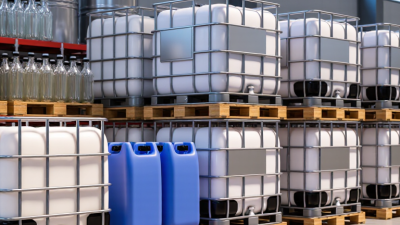
Choosing a chemical storage container begins with capacity, not appearance. Leave headspace for expansion and safe handling. A container filled to the rim invites spills. Match its volume to daily use, delivery size, and inspection routines. Oversized containers may increase exposure during transfers.
Strength matters under real working conditions. Check wall thickness, closure quality, impact resistance, and load limits. A container should remain stable on a shelf, cart, or storage pallet. Test the handle before moving it. Small weaknesses become serious problems.
Chemical compatibility deserves careful attention. Consult the current safety data sheet and verify material resistance. Consider the chemical’s concentration, temperature, and contact time. Some materials tolerate storage but fail during repeated dispensing. That distinction is easy to miss.
Storage conditions can change the decision. Confirm acceptable temperature ranges, moisture exposure, light sensitivity, and ventilation needs. Keep containers away from heat sources and incompatible materials. Use secondary containment where a leak could spread. Label every container clearly, including contents and date.
Inspect closures, seams, and surfaces regularly. Look for swelling, cracking, corrosion, stains, or unusual odors. Replace damaged containers promptly. Do not rely on a familiar container forever.
I have sometimes chosen capacity too quickly. That was a useful mistake. The best choice balances strength, compatibility, access, and storage conditions. Reassess after workflows change, because yesterday’s container may not suit tomorrow’s operation.
10 Tips for Choosing Chemical Storage Containers: Assessing Capacity, Strength, and Storage Conditions
Temperature resistance is one practical screening factor when selecting a chemical storage container.
The chart shows approximate upper continuous-use temperature references for common container materials.
Always verify chemical compatibility, pressure rating, wall thickness, closure performance, required capacity,
ventilation, and applicable safety regulations before storage.
Selecting Closures, Labels, and Secondary Containment
10 Tips for Choosing Chemical Storage Containers?
A safe container starts with chemical compatibility, not appearance. In a busy storeroom, I check the substance, concentration, temperature, and storage duration before selecting plastic, glass, or metal. The closure must resist swelling, corrosion, and evaporation. A cap that fits is not always a safe cap. OSHA’s Hazard Communication Standard affects about 43 million workers across nearly five million workplaces, making clear container information essential.
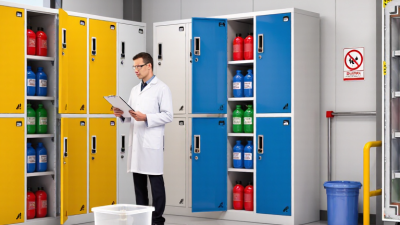
Tip 1: Match the closure to the chemical and its vapor risk. Use secure, leak-resistant closures, but avoid forcing a cap onto damaged threads. Tip 2: Label every container with the chemical identity, hazards, date received, and responsible department. Labels should remain readable after wiping and handling. Tip 3: Keep incompatible chemicals apart. Acids, bases, oxidizers, and flammables need separate storage zones, even when their containers look similar.
Secondary containment should be chemically resistant, stable, and easy to inspect. Many facility procedures size it for at least 110% of the largest container, but local rules may differ. Check the applicable requirement. A shallow tray can fail when a bottle tips. I have seen small cracks become bigger problems after repeated cleaning. Inspect trays, lids, seams, and drain plugs routinely. OSHA guidance emphasizes accessible safety information, while Chemical Safety Board investigation reports repeatedly show how poor containment and labeling can worsen releases. Perfect storage is unrealistic. Consistent checks are not.
Matching Containers to Handling and Regulatory Requirements
10 Tips for Choosing Chemical Storage Containers?
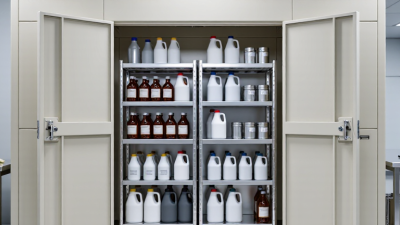
Matching containers to handling and regulatory requirements starts with the chemical, not the cabinet. Read the Safety Data Sheet, especially Sections 7 and 10. Match the container material to the chemical’s concentration, temperature, and reactivity. Confirm compatibility with acids, bases, oxidizers, solvents, and moisture. Never rely on appearance alone. A clear bottle may hide serious degradation.
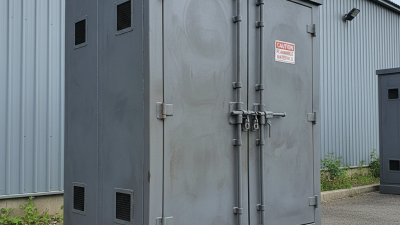
Choose a container that suits the handling method. Select secure closures for transport, wider openings for controlled dispensing, and secondary containment for leaks. Check pressure, temperature, capacity, and ventilation requirements. Keep labels durable and readable after splashes. Separate incompatible substances using a written storage plan. Provide spill trays where a small leak could spread. Inspect caps, seams, and shelves routinely. Replace damaged containers immediately.
Regulatory details matter. Align labels and hazard communication with applicable GHS and workplace rules. Follow local fire codes and environmental storage requirements. For transport, verify whether approved packaging is required. NFPA reported more than 1.5 million U.S. fires in 2023, showing why ignition control and segregation deserve attention. The UK HSE estimated 1.7 million workers had work-related ill health in 2023/24, reinforcing the need for exposure controls. These figures are broad, not storage-specific. That limitation matters. A compliant-looking container can still fail when users overfill it, leave it uncapped, or store it beside an incompatible chemical. Review the choice with a qualified safety professional before purchase.