Why Choose Chemical Storage Containers for Global Safety?

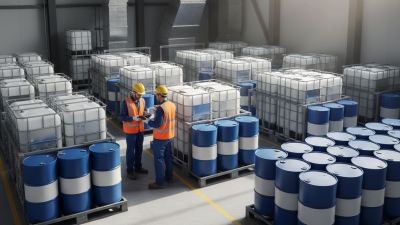
Chemical handling is expanding across laboratories, farms, factories, and distribution hubs. UNEP’s Global Chemicals Outlook II (2019) projected that global chemical production could double between 2017 and 2030. More materials create more storage decisions. A leaking drum can turn a clean aisle into a slippery, contaminated work zone. Chemical Storage Containers provide a controlled barrier against spills, incompatible materials, moisture, and unauthorized access. The right container also supports labeling, segregation, inspection, and emergency response.

Industry guidance makes the choice more technical than purchasing a box. OSHA’s Hazard Communication Standard requires accessible hazard information, while the Globally Harmonized System supports consistent classification and labeling. NFPA 30 and related fire-safety guidance address storage conditions, ignition risks, and container arrangements. These sources do not make every product interchangeable. Acids, solvents, oxidizers, and corrosives may require different materials, closures, ventilation, or secondary containment. A steel cabinet may suit flammable liquids, while polyethylene can resist certain corrosive chemicals. Compatibility must be checked against the exact substance and concentration.

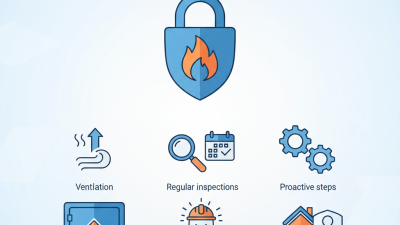
Reliable storage begins with evidence. Review the Safety Data Sheet, capacity, temperature range, load rating, and ventilation needs. Then inspect hinges, seals, labels, and spill trays during routine use. Small details matter. A cracked gasket, faded label, or overloaded shelf can defeat a strong design. ILO and WHO work-related disease estimates underline the human cost of hazardous exposures. Still, containers are not a complete safety program. Training, inventory control, emergency planning, and local regulatory review remain essential. That limitation deserves honesty. The best choice is not always the most expensive container, but the one matched to the chemical, workplace, and documented risk assessment.
Why Choose Chemical Storage Containers for Global Safety?

Chemical Storage Containers: Definition and Core Safety Functions

Why Choose Chemical Storage Containers for Global Safety?

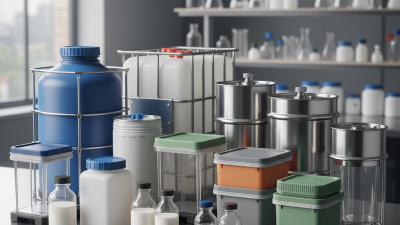
Chemical storage containers are engineered vessels or cabinets designed to hold substances safely during use, transport, and storage. They provide primary containment and reduce exposure from spills, vapors, and incompatible reactions. Many systems also include secondary containment, such as a sealed sump beneath the container. A small leak then stays visible and localized.

The need is growing. The United Nations Environment Programme’s Global Chemicals Outlook II projects chemical production will nearly double between 2017 and 2030. More volume means more pressure on storage practices.

OSHA’s Hazard Communication Standard also requires accessible labels and safety data, supporting clear identification at the storage point. Practical controls matter too: separate oxidizers from flammables, keep lids closed, and inspect gaskets, hinges, and corrosion weekly.

For flammable liquids, suitable containers may include grounding and bonding provisions. Some chemicals need temperature control instead.

A good container is not automatically safe. Poor compatibility can weaken plastic, while trapped vapor can create hidden pressure. I have seen checklists overlook the floor beneath the cabinet. That is a mistake worth revisiting.

NFPA 30 guidance emphasizes fire-resistant storage and quantity control for flammable liquids. Local rules still vary, so a competent safety professional should verify material compatibility, ventilation, emergency access, and inspection records before installation.

Key Materials and Designs for Containing Hazardous Chemicals

Why Choose Chemical Storage Containers for Global Safety?

Material selection shapes chemical safety. High-density polyethylene resists many acids, bases, and corrosive solutions. Stainless steel offers strength for solvents, pressure, and repeated handling. However, no material suits every chemical. Compatibility charts, concentration, temperature, and storage time must guide the choice. A fluoropolymer lining can add protection when ordinary plastics may swell or weaken. Small details matter.

Good designs control more than leaks. Tight closures reduce vapor release, while correctly designed vents help prevent pressure buildup. Wide openings support safer filling and cleaning. Reinforced walls protect containers during transport across uneven floors or long supply routes. Secondary containment adds another barrier around the primary vessel. It is not excessive. It is practical risk control. A container may look intact while internal stress has already started damage, so visual checks alone are imperfect.

Tips: Check compatibility before purchase. Label every container clearly. Keep lids clean and fully closed. Inspect seams, handles, and gaskets regularly. Store containers away from heat and direct sunlight. Replace damaged units promptly. When uncertain, consult a qualified chemical-safety professional and verify applicable regional requirements. Mistakes happen, especially during busy shifts. Good design makes them less dangerous.

Why Choose Chemical Storage Containers for Global Safety?

Key materials are selected according to chemical compatibility, temperature resistance, mechanical strength, and containment design. The chart compares representative maximum continuous service temperatures for commonly used container materials.

Indicative engineering values: actual limits depend on chemical concentration, exposure time, pressure, wall thickness, closure design, and applicable regulations. Always confirm the supplier’s compatibility and service-rating data before storage.

How Containers Prevent Leaks, Fires, and Chemical Reactions

Why Choose Chemical Storage Containers for Global Safety?

Chemical storage containers help control leaks, fires, and dangerous chemical reactions. Their value begins with material compatibility. A container must resist the chemical stored inside it, including its vapors and residue. Proper seals reduce seepage around lids, valves, and connection points. Strong walls also protect against impacts during handling or transport.

Containment matters. A spill tray or double-wall design can keep a leak from reaching floors and drains. That gives workers time to respond safely. It also makes small failures easier to detect. Routine inspections should include seams, closures, labels, and signs of swelling or corrosion. Do not trust appearance alone.

Fire risks require more than a strong container. Suitable designs can limit vapor release, while grounded equipment helps control static sparks. Separate storage areas reduce contact between incompatible chemicals, such as oxidizers and combustible materials. Ventilation is essential when vapors may build up. Qualified safety professionals should confirm container selection, separation distances, and emergency procedures.

In daily operations, training remains critical. Workers need clear labels, accessible safety data, and suitable protective equipment. A container is not a magic shield. Poor handling can defeat good engineering. Even careful systems need review, because temperature changes, aging seals, and human mistakes can create unexpected risks.

Why Choose Chemical Storage Containers for Global Safety? - How Containers Prevent Leaks, Fires, and Chemical Reactions
Safety Dimension Container Feature or Practice Primary Hazard Controlled How It Prevents Incidents Globally Recognized Reference Basis
Chemical Compatibility Use containers manufactured from materials compatible with the stored chemical, such as suitable plastics, glass, or corrosion-resistant metals. Leaks, embrittlement, swelling, and corrosion Compatible materials reduce permeation, cracking, softening, and loss of structural integrity. Compatibility must be confirmed against the chemical’s Safety Data Sheet, concentration, temperature, and storage duration. Safety Data Sheets; chemical-resistance data; applicable transport and workplace-storage regulations
Closures and Seals Use correctly fitted caps, gaskets, threaded closures, and leak-resistant seals designed for the chemical service. Drips, vapor release, and accidental spillage Secure closures maintain containment during normal handling and reduce the escape of hazardous vapors. Seals should be inspected for damage, swelling, brittleness, or contamination. UN Recommendations on the Transport of Dangerous Goods; container manufacturer specifications
Secondary Containment Place primary containers in compatible spill trays, bunds, cabinets, or other secondary-containment systems. Spread of liquid releases and environmental contamination Secondary containment captures leaks from the primary package and provides time for detection and safe cleanup. Capacity requirements depend on the chemical, container size, facility design, and local law. Environmental and workplace-storage regulations; site spill-control plans
Flammable-Liquid Control Store flammable liquids in approved safety containers or dedicated flammable-liquid storage cabinets, away from ignition sources. Fires, flashback, and vapor ignition Approved containers limit vapor release and help protect contents from external heat or flame. Storage areas should also control ignition sources and maintain suitable ventilation. NFPA 30; OSHA flammable-liquid requirements; applicable national fire codes
Bonding and Grounding Bond and ground conductive containers and transfer equipment when transferring flammable liquids where static accumulation is possible. Static-electricity ignition Electrical bonding equalizes potential between connected equipment, while grounding provides a path for charge dissipation. The procedure must be designed for the specific transfer operation. NFPA 77; national electrical and fire-safety requirements
Chemical Segregation Separate incompatible groups, including acids from bases, oxidizers from organic or combustible materials, and water-reactive substances from moisture. Toxic gases, heat generation, fire, and pressure buildup Physical separation prevents accidental contact caused by leaks, container failure, or emergency events. Storage decisions should follow the SDS and a compatibility chart. Globally Harmonized System of Classification and Labelling of Chemicals; SDS Section 7 and Section 10
Pressure and Venting Use containers and closures rated for the expected vapor pressure and temperature; provide suitable pressure-relief arrangements where required. Bulging, rupture, and uncontrolled vapor release Correct pressure control prevents dangerous overpressure caused by heating, decomposition, gas generation, or restricted venting. Containers must never be modified without competent engineering review. SDS storage guidance; pressure-equipment and process-safety requirements
Temperature and Sunlight Protection Store containers within the temperature range specified by the chemical supplier and protect temperature-sensitive materials from direct sunlight and heat sources. Pressure increase, degradation, ignition, and container failure Temperature control reduces vapor expansion and slows chemical degradation. Some chemicals require refrigeration, temperature monitoring, or protection from freezing. SDS Section 7; local fire, laboratory, and occupational-safety rules
Identification and Labeling Keep the original product label intact or apply a durable label showing the chemical name, hazards, concentration where relevant, and required precautionary information. Misuse, incompatible storage, and emergency-response errors Clear identification supports correct segregation, handling, personal protective equipment selection, spill response, and medical treatment. UN GHS; local chemical-labeling and workplace communication regulations
UN Performance Packaging For regulated dangerous-goods transport, select packaging with the appropriate UN specification marking and performance level for the substance and packing group. Transport-related leakage, impact damage, and stacking failure UN packaging requirements may include drop, leakproofness, hydrostatic pressure, stacking, and other performance tests depending on the packaging type and hazard classification. UN Recommendations on the Transport of Dangerous Goods; applicable modal transport regulations
Inspection and Maintenance Inspect containers, closures, labels, shelving, spill trays, and cabinets before use and at a documented site-defined frequency. Undetected deterioration and delayed response Routine inspection identifies corrosion, cracks, bulging, residue, damaged labels, and expired or deteriorated containers before they become an incident source. Risk-based workplace inspection programs; SDS guidance; local regulatory requirements
Emergency Readiness Maintain accessible spill-control materials, emergency contact information, suitable personal protective equipment, and trained response procedures. Escalation of leaks, exposure, and fire consequences Prepared response systems help isolate the area, stop exposure, contain releases, and notify emergency services without creating additional chemical reactions. SDS Sections 4, 5, and 6; local emergency-planning and occupational-safety requirements
Safety note: Container selection is chemical-specific. Always verify compatibility, storage temperature, segregation requirements, ventilation, fire protection, and transport obligations using the current Safety Data Sheet and applicable local regulations before storage or shipment.

Global Standards, Transport Rules, and Compliance Requirements

Why Choose Chemical Storage Containers for Global Safety?

Chemical storage containers support safer handling when design, documentation, and transport rules work together. Their materials must resist the stored substance, temperature changes, and expected pressure. Compatibility charts should be checked before filling any container.

Small details matter. A weakened seal can cause leakage during routine movement. Secondary containment also helps control spills near floors, drains, and loading areas.

Global compliance depends on the chemical, container type, and destination.

The Globally Harmonized System guides hazard labels and safety data sheets in many markets. Transport may require United Nations performance-tested packaging. Road, sea, and air shipments follow different requirements under frameworks such as ADR, IMDG, and IATA rules.

Local authorities may add storage limits, inspection schedules, or ventilation requirements. Rules vary. A container approved for warehouse use may not qualify for international transport.

Reliable operations require traceable records. Keep material compatibility data, inspection dates, closure instructions, and emergency procedures accessible to workers. Labels should remain readable after moisture, handling, and temperature exposure.

In practice, teams sometimes focus on the container and overlook the lid, gasket, or pallet stability. That gap matters. Requirements also change, and older procedures may no longer match current editions.

A documented review with qualified safety professionals can identify those weaknesses before shipment. Selecting containers by appearance alone is not enough; actual certification, chemical resistance, and intended transport route must align.

Selecting and Managing Containers for Safe International Use

Why Choose Chemical Storage Containers for Global Safety?

Selecting the right chemical storage container requires more than checking capacity. Material compatibility, closure quality, labeling, and temperature tolerance must match the substance and transport route. UN Recommendations on the Transport of Dangerous Goods provide performance-based packaging guidance for international movement. The container should also remain stable during lifting, stacking, vibration, and long-term storage.

Documentation matters equally. The 2023 European Chemicals Agency REF-10 enforcement report inspected more than 2,400 products and found non-compliance in about 23% of cases. That figure shows why labels, safety data sheets, and packaging checks must work together. Experienced teams verify container condition before filling, during transfer, and after arrival. They record leaks, swelling, cracked seals, and unclear markings. Small defects can become major failures.

Tips: Use a compatibility chart, not guesswork. Keep containers upright and separated by hazard class. Confirm closures after every handling step. Review translated labels before shipment. Record inspection dates and corrective actions. Do not rely on appearance alone; some chemical damage develops internally. A perfect process is unlikely. Regular review still reduces preventable risk. According to the United Nations Globally Harmonized System, consistent hazard communication supports safer handling across borders, but local requirements may differ. Always confirm current rules with a qualified safety professional.


This website uses cookies. By continuing to browse this site you are agreeing to our use of cookies. Please review our Privacy Policy for more information.