Choosing Chemical Storage cabinets for an international facility involves more than comparing prices or exterior dimensions. The right choice depends on the chemicals being stored, the available floor space, and how staff access supplies during a working day. A cabinet placed beside a busy loading area, for example, may need different features from one installed in a controlled laboratory. Small details matter. Door clearance, shelf adjustment, spill containment, and clear labeling can all affect daily use.
This guide compares 10 chemical storage cabinets for global buyers, with practical features and common purchasing considerations in view. It looks at construction materials, capacity, ventilation options, locking systems, and documentation that buyers may want to verify. Product descriptions alone are not enough. Confirm chemical compatibility with the manufacturer, and check applicable local requirements before ordering; standards and approval processes can differ by market. A lower price may also mean fewer accessories or less flexibility. That is worth checking.
No cabinet is perfect. The best fit depends on the substances, setting, and handling routines involved. The models featured here are intended to help buyers ask better questions, not replace a site-specific safety review. Compare specifications carefully, request current technical documents, and consider how the cabinet will be installed and maintained. A thoughtful decision can make storage easier to manage, though it cannot remove every risk.
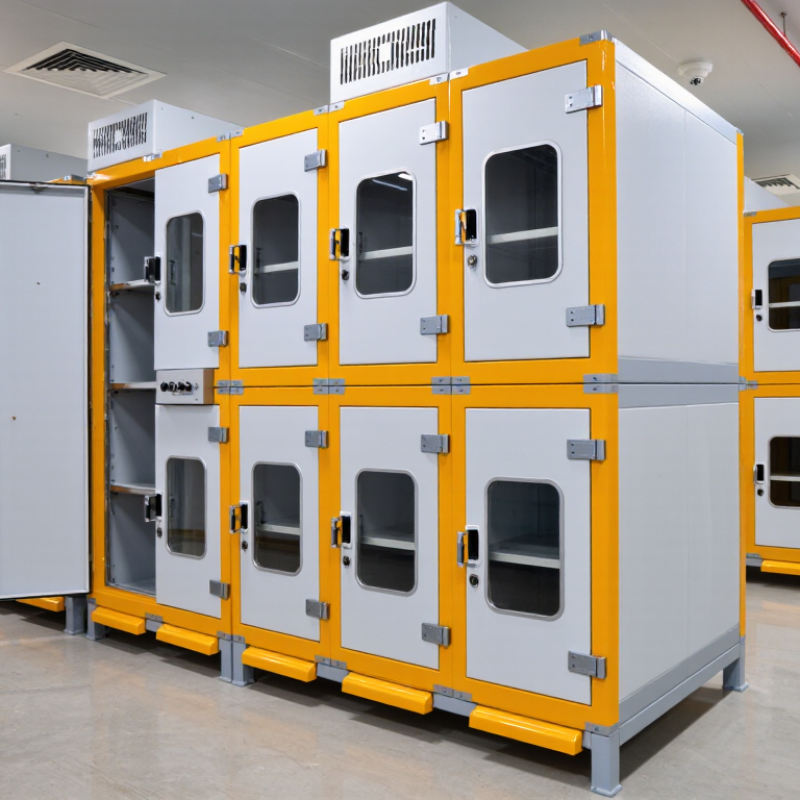
Chemical storage cabinets are purpose-built enclosures that help manage spills, exposure, and fire risks. They do not make chemicals harmless. Good storage begins with the safety data sheet, container labels, and a clear inventory. Fit matters. A cabinet should suit the substances and the room, not just the available floor space.
Flammable-liquid cabinets are designed to reduce fire exposure and contain leaks; they are not fireproof. Many have a raised, leak-catching sill and self-closing doors. Corrosive cabinets use materials that resist damage from specific acids or bases. Keep incompatible substances apart, even when both fit inside the same cabinet. Oxidizer cabinets may use noncombustible construction to limit contact with combustible materials. Labels help. Cabinet colors alone do not confirm chemical compatibility.
General-purpose cabinets can hold compatible materials, but they are not a safe default for every product. Check shelf capacity, door clearance, spill containment, and resistance to the chemicals being stored. A heavy bottle on a weak shelf can create a preventable leak. Ventilation is not automatically safer; follow the cabinet maker’s guidance and assess the chemicals involved. Small facilities may overlook changing inventories, so review contents regularly as products are added or removed.
A reliable chemical storage cabinet should match the materials, containers, and room where it will be used. Check its stated fire-resistance rating and request test documentation against standards applicable to your site. A label alone is not enough. Confirm that doors close securely, hinges move smoothly, and the base has a leak-catching sump. Small details matter.
Look inside before choosing. Shelves should support the expected load without bending, and adjustable spacing helps keep bottles upright. A raised lip can contain minor drips. For corrosive materials, verify that shelf coatings and cabinet liners resist the specific chemicals listed in their safety data sheets. Compatibility is not universal. A feature that helps one storage setup may be unsuitable for another.
Ventilation needs careful judgment. Connecting a cabinet to an exhaust system may be appropriate in some workplaces, but it should follow the cabinet instructions and a qualified risk assessment. Keep incompatible materials separated, and leave clear access to doors and labels. In practice, busy teams sometimes overlook these checks. That is worth reflecting on. A quick inspection log, clear inventory, and routine review can reveal damaged seals, spills, or changing storage needs before they become larger problems.
Under U.S. OSHA regulation 29 CFR 1910.106, a storage cabinet may hold up to 60 gallons of Category 1, 2, or 3 flammable liquids, or up to 120 gallons of Category 4 flammable liquids. These limits are per cabinet; requirements in other countries may differ.
Comparing 10 Chemical Storage Cabinets for Global Buyers
The ten cabinet types differ most in capacity, construction, and intended chemical compatibility. Steel models often suit many flammable-liquid storage needs, while polyethylene cabinets resist corrosion from compatible corrosive materials. Acid cabinets add corrosion-resistant interiors; general-purpose cabinets offer broader, but not universal, utility. Compact and under-counter units save floor space. Drum cabinets hold larger containers, while modular designs adapt as inventory changes. Combination cabinets can separate approved chemical groups, but internal dividers do not make every pairing safe. Check the manufacturer’s compatibility guidance for each substance.
Compare door closure, shelf load limits, spill containment, and clear labeling. A cabinet’s finish can look robust yet fail under incompatible chemicals. Ventilation is not automatically safer; evaluate it against the stored materials and site risk assessment. Also consider delivery access, installation space, and replacement-part availability. Global buyers may face different service conditions, so confirm local support before ordering. A specification sheet cannot answer every practical question.
Tips: Match each cabinet to the chemical’s safety data and container size. Check shelf capacity with full containers, not empty ones. Ask for written material-compatibility details. Keep labels readable from the aisle. One comparison gap is easy to miss: a larger cabinet may encourage excess stock, so review how much storage is genuinely needed.
Compare these common cabinet types by intended use, construction, and practical buying considerations. Capacity examples are nominal and vary by model; confirm chemical compatibility and applicable local requirements before purchase.
| Cabinet Type | Typical Contents | Common Construction | Example Nominal Capacity | Useful Features to Compare | Key Buying Consideration |
|---|---|---|---|---|---|
| Flammable-liquid safety cabinet | Flammable liquids, such as many solvents, paints, and fuels | Typically double-wall steel; other approved construction options may be available | Common offerings include 12, 30, and 45 US gal | Self-closing doors where required, secure latch, spill-retaining sump, clear labeling | Check liquid classifications, permitted quantities, and local fire-code requirements. |
| Compact flammable-liquid cabinet | Small containers of flammable liquids at a workstation or in a laboratory | Usually steel, with a spill-retaining base | Common offerings include 4 or 12 US gal | Small footprint, shelf adjustability, door clearance, stable placement | A smaller cabinet does not remove quantity limits or safe-storage requirements. |
| Acid-corrosive cabinet | Compatible corrosive acids, stored according to their safety data sheets | Chemical-resistant polymer or suitably lined metal, depending on the chemicals | Common offerings range from small under-counter units to larger floor cabinets | Corrosion-resistant shelves, leak-retaining sump, compatible interior surfaces | Confirm material compatibility for each acid; no single cabinet material suits every acid. |
| Base-corrosive cabinet | Compatible alkaline chemicals, such as certain hydroxide solutions | Chemical-resistant polymer or suitably protected metal | Capacity varies by design; compare usable shelf and sump space | Compatible shelf liners, leak containment, secure doors, easy-to-clean surfaces | Keep incompatible chemicals segregated; verify compatibility using safety data sheets. |
| General corrosives cabinet | Corrosives that are compatible with one another and with the cabinet materials | Polymer, lined metal, or another chemically compatible construction | Available in several footprints and storage volumes | Adjustable shelves, spill containment, clear segregation and labeling options | “Corrosives” is not a universal compatibility category; assess the actual chemicals. |
| Oxidizer storage cabinet | Oxidizing agents, kept away from incompatible fuels and organic materials | Construction selected for chemical compatibility and the applicable storage rules | Capacity depends on the chemical inventory and local limits | Dedicated segregation, compatible shelving, clear hazard identification | Confirm whether the particular oxidizer requires special separation or storage conditions. |
| Pesticide and agricultural-chemical cabinet | Pesticides and related products in their original, labeled containers | Durable metal or chemical-resistant construction appropriate to the inventory | Choose capacity based on package sizes and required separation | Lockable doors, spill containment, restricted access, clear inventory labeling | Check pesticide-label directions and applicable agricultural, environmental, and workplace rules. |
| Toxic-substance security cabinet | Toxic substances requiring controlled access, subject to local rules | Lockable metal or other durable construction suitable for the contents | Select by container dimensions, inventory volume, and access needs | Controlled keys or access, inventory visibility, secure shelving, clear labeling | A lockable cabinet alone may not satisfy substance-specific security obligations. |
| Under-counter laboratory cabinet | Small quantities of compatible laboratory chemicals | Type depends on whether the chemicals are flammable, corrosive, or otherwise hazardous | Compact; verify interior height and usable shelf space | Worktop fit, door swing, ventilation provisions where required, spill control | Do not store incompatible chemical classes together just because the cabinet fits beneath a bench. |
| Outdoor chemical storage cabinet | Chemicals suited to outdoor storage under their specific storage instructions | Weather-resistant design; chemical compatibility and fire-safety performance vary by model | Available in a range of floor-standing sizes | Weather protection, anchoring provisions, secure access, spill containment | Confirm suitability for climate, location, drainage, ventilation, and local outdoor-storage rules. |
Note: Cabinet capacity, dimensions, construction, and regulatory suitability are model- and jurisdiction-specific. Review the chemical safety data sheets and applicable workplace, fire, building, and environmental requirements before selecting or installing a cabinet.
Choosing a chemical storage cabinet starts with the substances it will hold. Read each safety data sheet and check compatibility, storage temperature, and separation needs. Acids, flammables, and corrosives may require different cabinet materials or internal layouts. One cabinet rarely suits every chemical. Keep incompatible materials apart, even when space is tight.
Match the cabinet to the workspace, not just the inventory list. Check its capacity, shelf load rating, spill sump, door clearance, and ventilation requirements. Measure the route to its final position, too. A cabinet that fits the floor plan may not pass through a narrow doorway. Small details matter. Consider daily access: staff should reach containers without stretching over stored chemicals or blocking an exit.
For global purchasing, confirm applicable local fire, building, occupational safety, and environmental requirements with qualified local advisers. Requirements can differ by location and chemical class, so avoid relying on a supplier’s general compliance statement alone. Request clear documentation for materials, testing, and installation conditions. A polished specification sheet can still miss a site-specific need. Recheck the details with the people who will use and maintain the cabinet; their practical feedback may reveal a cramped aisle or awkward shelf height before delivery.
Install the cabinet on a level, stable floor where its doors can open fully and staff can reach it without moving other equipment. Check the manufacturer’s instructions before positioning it; clearances and anchoring needs vary. Keep incompatible materials apart, and confirm that shelf liners and spill trays suit the substances stored. Small details matter.
During routine inspections, look for corrosion, damaged seals, loose hinges, and doors that fail to latch. Check labels, shelf condition, and signs of leakage inside the cabinet. A clean exterior proves little. Record findings, even when nothing seems wrong, and arrange repairs before damage affects safe operation. Inspection intervals should reflect the stored materials, use, and site procedures.
Remove spills promptly using methods and protective equipment specified by the relevant safety data sheets. Do not use cleaners that could damage coatings or react with residues. Keep shelves below their rated capacity, and avoid modifying vents or other safety features. Where the cabinet design and site procedures require grounding, verify the connection during maintenance. Records can be tedious, but they help reveal recurring problems. Even a well-kept cabinet deserves a second look.
This website uses cookies. By continuing to browse this site you are agreeing to our use of cookies. Please review our Privacy Policy for more information.