China Top 10 Big Battery Suppliers for Global Buyers
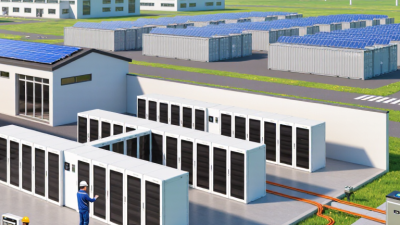
China has become a central manufacturing base for large-scale energy storage. Its suppliers produce containerized systems, commercial battery cabinets, and utility-scale solutions for global buyers. This guide examines the China Top 10 Big Battery Suppliers for Global Buyers.
The market is competitive, but supplier quality varies. Some manufacturers focus on lithium iron phosphate chemistry. Others develop nickel-manganese-cobalt systems for higher energy density. Buyers should examine cell origins, battery management systems, thermal controls, warranty terms, and independent safety testing. A polished factory tour is not enough.
Dr. Shirley Meng, a leading battery materials scientist, has said, “We need to electrify everything.” That statement reflects the growing role of Big Batteries in renewable power, electric transport, and industrial backup systems. Solar farms now require storage containers with precise temperature control. Warehouses may need cabinets that deliver stable power during peak demand. These details affect project costs.
This overview compares production capability, technology, certifications, export experience, customization, and after-sales support. It also considers practical issues, including delivery schedules, spare parts, software compatibility, and local service networks. A lower purchase price may hide higher integration costs.
No ranking is perfect. Market data changes quickly. Some supplier claims also require verification. Therefore, global buyers should request factory audits, test reports, reference projects, and transparent warranty conditions before signing contracts. The strongest supplier is not always the largest one. It is the partner that can deliver safe, serviceable, and financially workable battery systems for the intended application.
What Makes a Chinese Big Battery Supplier Globally Competitive
A globally competitive Chinese big battery supplier combines scale with disciplined engineering. Large factories can purchase cells, inverters, and metal housings efficiently. However, low production cost alone does not satisfy international buyers. Experienced suppliers explain voltage ranges, usable capacity, cycle life, and temperature limits in clear technical documents. They also adapt cabinet dimensions, connectors, communication protocols, and installation methods for different projects.
Quality control becomes visible in small details. A reliable factory records cell batches, welding results, insulation tests, and final charge levels. Its engineers can discuss battery management systems, thermal protection, fire isolation, and enclosure ratings without using vague promises. Independent testing and market-specific certifications also matter. Requirements differ across regions, so buyers should verify every certificate and test report. A translated document is not always reliable evidence.
Global service can separate a capable supplier from a merely cheap one. Practical support includes remote diagnostics, spare modules, firmware procedures, and trained local technicians. Delivery planning matters too. One delayed container can disrupt an entire installation schedule. Chinese suppliers often offer strong customization, but this strength needs control. Excessive changes may increase defects, lead time, or maintenance difficulty. No factory is perfect. Even an audited production line can miss a packaging error or underestimate a hot climate. Careful buyers should request sample testing, factory records, warranty boundaries, and a clear response process before placing large orders.
China’s Top 10 Big Battery Suppliers by Market Strength
China Top 10 Big Battery Suppliers for Global Buyers
China’s leading ten battery suppliers are best judged by market strength, not factory size alone. Market strength combines shipment volume, production capacity, export reach, financial stability, and quality consistency. The International Energy Agency reported that China produced about 75% of global battery cells in 2023. That scale creates strong advantages in materials, equipment, and manufacturing experience.
SNE Research recorded approximately 1,185 GWh of global electric vehicle battery usage in 2024. Chinese suppliers captured roughly two-thirds of that market. Their strength also appears in energy storage, where large-format lithium iron phosphate cells are widely used. Buyers should check cell traceability, thermal-cycle results, warranty terms, and delivery records. A useful factory audit may include production-line sampling, seal inspection, and data review for 280Ah-class cells.
Numbers can mislead. A supplier with high shipments may still have uneven overseas support. Another may offer excellent cells but limited local service. This ranking should therefore consider independent testing, audited financial data, and customer references. Benchmark Mineral Intelligence and IEA reports provide valuable market context, but they do not replace a plant visit. Small details matter. Packaging damage, delayed certificates, or unclear degradation data can affect a project. The method is imperfect, yet it is more reliable than comparing prices alone.
Market context: China represented the largest regional electric vehicle battery market in 2023, creating strong scale advantages for domestic battery suppliers. Figures are rounded estimates based on the International Energy Agency’s Global EV Outlook 2024.
Battery Products, Technologies, and Manufacturing Capabilities
China’s top ten battery suppliers serve electric vehicles, energy storage, industrial equipment, and backup systems. Their product portfolios commonly include lithium iron phosphate cells, nickel-based chemistries, prismatic formats, cylindrical cells, and customized modules. According to the International Energy Agency’s Global EV Outlook 2024, China represented about 80% of global battery cell manufacturing capacity in 2023. This scale supports faster production, broader testing, and more competitive pricing.
Manufacturing capability is increasingly measurable, not merely promotional.
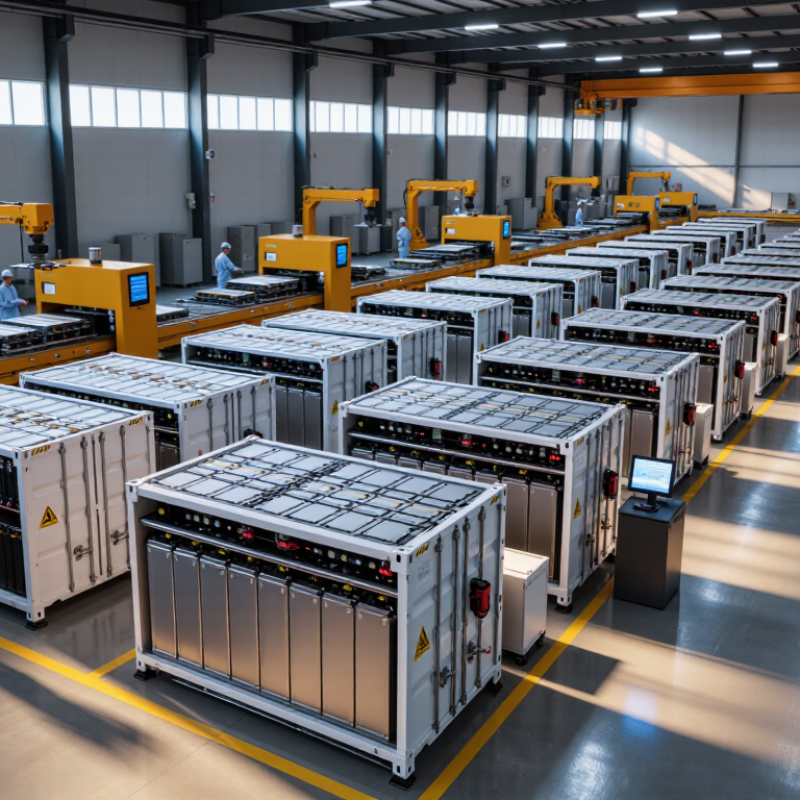
Leading factories use automated electrode coating, controlled humidity rooms, laser welding, formation testing, and digital traceability. These steps help control thickness, internal resistance, thermal performance, and batch consistency. BloombergNEF reported that average lithium-ion battery pack prices fell to 115 dollars per kilowatt-hour in 2024, showing how process efficiency affects global purchasing decisions. However, lower prices may hide differences in warranty support, quality inspection, and delivery stability.
Technology selection still requires careful judgment. LFP chemistry offers strong thermal stability and long cycle life, while nickel-based cells can provide higher energy density. Energy storage buyers often value predictable degradation more than maximum capacity. The IEA also identifies grid storage as a rapidly expanding battery application. No supplier is best at everything. Some factories excel at volume, while others handle unusual voltage, cooling, or enclosure requirements better. This comparison remains imperfect because public data rarely reveals failure rates, recycling yields, or long-term field performance.
Quality Standards, Certifications, and Export Readiness
China Top 10 Big Battery Suppliers for Global Buyers
Quality begins with traceable materials, controlled assembly, and repeatable testing. Leading Chinese battery suppliers should operate under ISO 9001 quality systems. Many also follow ISO 14001 environmental practices. For lithium battery projects, buyers commonly request UN 38.3 test evidence and safety reports based on IEC 62619 or UL 1973. Requirements vary by product and destination market. A certificate alone is not enough.
During supplier audits, check cell records, welding samples, aging data, and factory inspection reports. Ask how each battery pack receives a serial number. Good traceability connects the pack to cells, software versions, inspection results, and shipment records. Export-ready suppliers should provide SDS documents, commercial invoices, packing lists, test reports, and compliant transport packaging. They should also explain customs codes and regional marking requirements clearly.
Details matter.
A capable supplier can discuss capacity tolerance, cycle-life test conditions, thermal protection, and warranty limits without vague promises. However, public certifications may cover only one model or production site. This is often overlooked. Buyers should verify certificate scope, validity, issuing laboratory, and matching model numbers. Sample testing before mass production remains wise, even when the supplier appears experienced. Factory communication can still be imperfect, especially when technical terms cross languages. Clear drawings and signed specifications reduce that risk.
How Global Buyers Can Select the Right Battery Supplier
Choosing among China’s top battery suppliers requires more than comparing quoted prices.
Global battery demand reached about 750 GWh in 2023, according to the International Energy Agency’s Global EV Outlook 2024. Manufacturing capacity exceeded 2.5 TWh, creating a crowded supplier market. Buyers should verify production capacity, cell chemistry, cycle-life data, and delivery records.
A factory tour can reveal practical details, such as electrode storage, dust control, and finished-goods labeling. Paperwork alone is not enough.
Cost still matters. BloombergNEF reported an average lithium-ion battery pack price of 115 dollars per kWh in 2024. However, the cheapest quotation may hide replacement costs, testing delays, or weak after-sales support.
Ask for independent safety reports, UN 38.3 transport test records, and relevant IEC documentation. Check whether the documents match the exact cell or pack model. Confirm warranty terms, response times, spare-part access, and traceability by batch number.
Be skeptical of perfect claims.
A stated 6,000-cycle life may depend on temperature, depth of discharge, and charging speed. Request test conditions and raw performance curves. The IEA’s Batteries and Secure Energy Transitions report highlights the importance of resilient, diversified supply chains.
Buyers should therefore assess raw-material sourcing, backup production lines, and quality-control failure rates. A supplier that answers difficult questions clearly is often more reliable than one offering the fastest promise.
Mistakes still happen; transparent correction is a useful quality signal.