What Is the Best Hazmat Locker for Global Buyers?

Choosing the best Hazmat Locker is not simply a purchasing decision. It is a risk-control decision.

The United Nations Environment Programme’s Global Chemicals Outlook II projects global chemical production will nearly double by 2030, compared with 2017 levels. More materials mean more storage pressure, especially across laboratories, factories, and distribution centers. A reliable Hazmat Locker should therefore support segregation, clear labeling, spill containment, and controlled access.

International buyers also face different operating conditions. OSHA revised its Hazard Communication Standard in 2024 to align with the seventh revision of the UN Globally Harmonized System. However, local implementation still varies. Buyers must verify regional requirements, fire ratings, ventilation needs, and certification marks before ordering.

Safety researcher James Reason wrote, “We cannot change the human condition, but we can change the conditions under which humans work.” His principle fits every Hazmat Locker evaluation. A cabinet near a loading dock may face humidity, vibration, and temperature swings. A laboratory unit may need adjustable shelves, grounding, and a self-closing door. Small details matter.

Not every popular model is suitable. That is the uncomfortable part.

Global buyers should compare tested construction, load capacity, corrosion resistance, documentation, replacement parts, and supplier support. A low price may hide weak hinges, unclear testing, or expensive international servicing. Industry reports provide useful direction, but they cannot replace site assessment. The best Hazmat Locker is the one that matches the stored materials, workplace risks, climate, and applicable safety standards.
What Is the Best Hazmat Locker for Global Buyers?

What Is a Hazmat Locker and Why Does It Matter for Global Buyers?

What Is a Hazmat Locker and Why Does It Matter for Global Buyers?

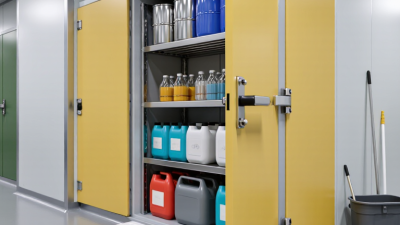
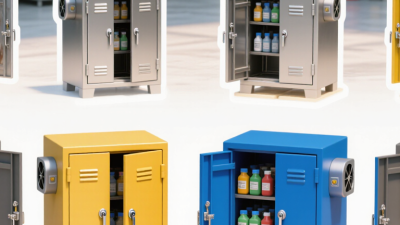
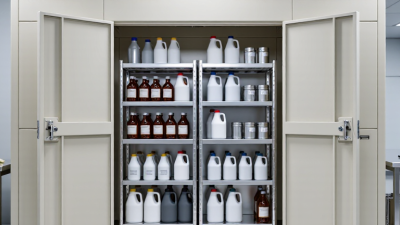
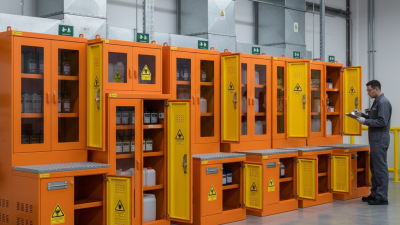
A hazmat locker is a dedicated cabinet for storing regulated workplace chemicals safely. It may include steel construction, adjustable shelves, spill containment, ventilation options, and lockable doors. The best design depends on the material, quantity, container type, and storage environment. A locker for small solvent containers differs from one used for corrosive liquids. This distinction matters.

For global buyers, the locker must fit local safety expectations and the facility’s daily workflow. Check the safety data sheets before choosing shelf capacity or ventilation. Confirm that the door, hinges, labels, and coatings can tolerate the stored materials. Fire resistance may matter in one application, while corrosion protection matters more in another. Ask for test reports, material specifications, loading limits, and installation guidance. Clear documentation supports safer purchasing and easier internal approval.

Practical details are easy to overlook. Shelves should remain stable when containers are moved with gloves. A raised spill tray can protect the floor during a small leak. Bright labels help workers identify contents quickly. Access control also reduces accidental handling. Yet no locker solves poor training or careless inspections. Even a correctly specified unit can fail when shelves are overloaded or containers are damaged. Buyers should review cleaning routines, inspection records, replacement parts, and delivery conditions. International shipping can also affect packaging and final assembly. A careful evaluation may feel slower, but it prevents expensive assumptions.

Which Safety Standards Should a Hazmat Locker Meet?

A reliable hazmat locker should meet safety standards that match the chemicals stored, the workplace, and the destination country. “Hazmat” is a broad term, so one certificate cannot cover every application. Buyers should identify flammable liquids, corrosives, oxidizers, or other regulated materials before selecting a cabinet.

Fire resistance is a key requirement. Look for tested construction, self-closing doors, heat-resistant seals, and clearly stated fire-rating performance.

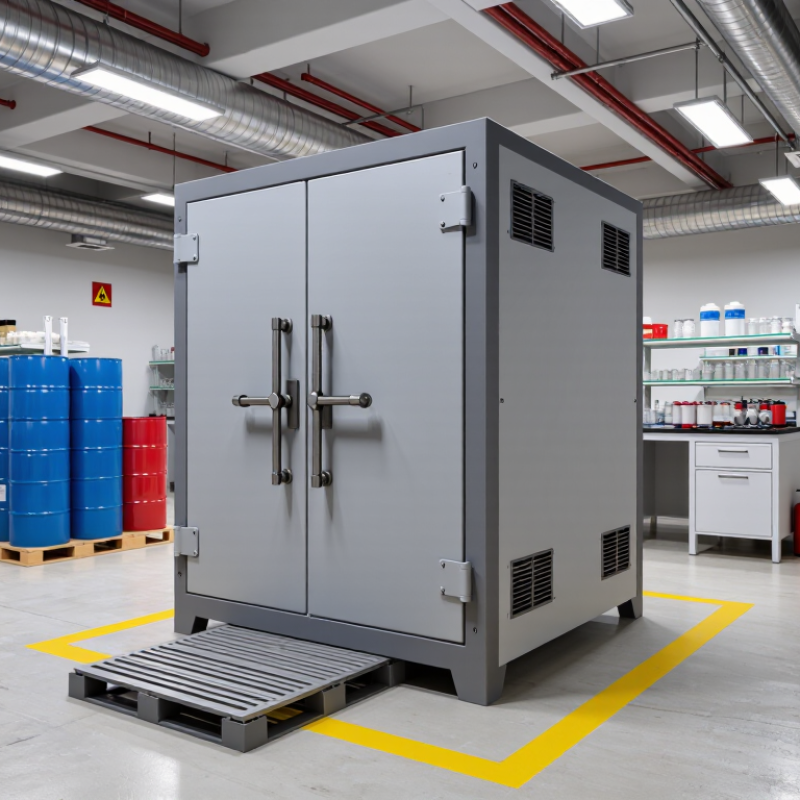
Spill containment also matters. A raised, leak-resistant sump can prevent liquid from reaching floors or drains. Shelves should support the expected load without bending.

Strong ventilation options may be necessary, but ventilation must not weaken fire protection. Grounding points, warning labels, and stable installation add practical protection.

Standards vary by region. Depending on the market, buyers may need compliance with standards such as EN 14470-1, NFPA guidance, OSHA requirements, or local building and fire codes. Always request test reports from an accredited laboratory, not only a supplier declaration. Check the certificate number, test scope, cabinet size, and production date. Details matter.

A certificate alone can mislead. In real workplaces, poor placement, overloaded shelves, or damaged seals can reduce protection. I would also inspect door alignment and spill trays after delivery. The best locker is not simply the most expensive model. It is the one whose tested features match the stored chemicals and the facility’s actual risks.

How to Compare Hazmat Locker Materials, Capacity, and Design

Choosing the best hazmat locker starts with material compatibility, not appearance. Steel offers strength and fire resistance for many indoor applications. Galvanized steel suits damp areas, while polyethylene handles many corrosive chemicals better. Stainless steel may perform well in aggressive environments, but its cost can be difficult to justify. Check the safety data sheet before selecting any material.

Capacity should reflect daily use, not today’s inventory. NFPA 30 and OSHA 1910.106 reference a 60-gallon limit for certain flammable-liquid storage cabinets. Local requirements may differ. Leave practical space between containers, shelves, and the door. A larger locker is not automatically safer. Oversizing can increase movement, clutter, and inspection difficulty. Adjustable shelves, a leak-catching sump, and visible labels improve real workplace control. ECHA’s 2023 enforcement project examined 2,407 products and found 18% had classification or labeling issues. Clear labels deserve more attention than buyers often give them.

Tips: Match the locker to chemical compatibility, climate, container size, and access frequency. Look for grounding provisions, controlled ventilation, corrosion-resistant hardware, and a lock that remains usable with gloves. Ask for test documents, load ratings, and maintenance guidance. Avoid relying only on a product photograph. Some specifications remain unclear until installation. That is a purchasing weakness worth challenging.

What Features Support Safe Storage, Handling, and Compliance?

A strong hazmat locker protects people, materials, and the surrounding workplace. For global buyers, safe storage begins with chemical compatibility. Steel, coatings, seals, and shelf surfaces should resist the stored substances. Adjustable shelves help separate containers by hazard class and package size. Spill-retaining sumps provide a second barrier when a container leaks. Small details matter.

Safe handling also depends on practical design. Self-closing doors, secure latches, clear labels, and visible warning signs reduce daily mistakes. A stable base prevents movement during loading. Grounding points may be necessary for flammable liquid storage, depending on local requirements and the locker’s design. Ventilation needs careful review. It should not be added casually, because airflow can affect fire performance and exposure control. Some workplaces also need nearby spill kits, gloves, face protection, or eyewash access.

Compliance features should support real inspections, not just paperwork. Buyers should request material specifications, test documentation, load ratings, and maintenance guidance. Labels may need local languages, symbols, and measurement units. Regional fire codes, workplace rules, electrical standards, and transport requirements can differ significantly. A supplier should explain these limits clearly. In site reviews, I have seen well-built lockers fail because shelves were overloaded or inspections were skipped. The locker was not the only problem. Human habits mattered too. A useful design makes correct storage easier, but it cannot replace training, inventory checks, or honest risk assessment.

What Is the Best Hazmat Locker for Global Buyers? - What Features Support Safe Storage, Handling, and Compliance?

A practical specification guide for evaluating hazardous-material storage lockers across international markets

Evaluation Dimension Recommended Specification or Benchmark Safety and Compliance Benefit Buyer Verification Point
Chemical Classification Select the locker according to the stored material: flammable liquids, corrosives, oxidizers, toxic substances, gases, or mixed chemicals. Prevents incompatible substances from increasing fire, toxic-release, pressure, or corrosion hazards. Check the Safety Data Sheet, especially Sections 2, 7, and 10, before selecting the cabinet type.
Construction Material Use powder-coated steel for many flammable-liquid applications; use corrosion-resistant materials or suitable liners for corrosive chemicals. Improves structural durability and reduces cabinet failure caused by chemical attack, impact, or environmental exposure. Confirm chemical compatibility, sheet thickness, surface treatment, weld quality, and resistance to the intended chemical group.
Fire-Resistance Rating For fire-rated storage, look for a tested rating such as 30, 60, or 90 minutes under the applicable national or regional standard. Do not treat an unrated metal locker as fire-resistant. Delays heat transfer and may provide additional time for evacuation, emergency response, and fire control. Request the full test report, certificate scope, test method, and whether the rating applies to the complete assembled cabinet.
Applicable Standards Common references include NFPA 30 and OSHA requirements in the United States, EN 14470-1 for flammable-liquid safety cabinets in Europe, and local fire and occupational-safety rules. Creates a documented basis for safe design, installation, inspection, and procurement approval. Verify the exact edition and jurisdiction; standards are not interchangeable and local authorities may impose additional requirements.
Spill Containment Provide a leak-tight base or sump with a removable shelf or tray. The containment volume should be established by the applicable local code or risk assessment. Limits the spread of leaks and simplifies cleanup, inspection, and emergency response. Confirm the stated containment capacity, load rating, seam construction, and compatibility with the stored liquid.
Shelving and Load Capacity Use adjustable, stable shelves with a clearly documented uniformly distributed load rating and raised edges to help retain small spills. Reduces shelf collapse, container damage, and accidental mixing caused by unstable storage. Compare the shelf rating with the heaviest container group; check that shelves cannot be removed accidentally during loading.
Ventilation Use self-closing, fire-resistant vent ports only when required by the design and local authority. Connect to a suitable exhaust system when an assessment requires mechanical ventilation. Can control vapors, but incorrect venting may spread fire or expose workers to hazardous atmospheres. Confirm whether vents are approved for the cabinet’s fire rating and whether exhaust ducting, fan selection, and hazardous-area controls are required.
Door and Locking System Choose self-closing doors with secure latching, visible status indication, and access control appropriate to the hazard and workplace. Helps limit unauthorized access, keeps doors closed during a fire, and reduces vapor release. Test door alignment, latch engagement, self-closing action, key management, and emergency access procedures.
Grounding and Static Control Provide a bonding or grounding point where flammable liquids are dispensed, transferred, or handled in a manner that can generate static electricity. Reduces the risk of ignition from electrostatic discharge during liquid transfer. Verify grounding continuity, connection hardware, bonding procedures, and whether the surrounding area requires classified electrical equipment.
Segregation of Incompatible Chemicals Use separate lockers or independently segregated compartments for incompatibles such as acids and bases, oxidizers and flammables, or water-reactive materials. Prevents dangerous reactions if containers leak, break, or are incorrectly returned to storage. Create a compatibility matrix from the SDS and confirm that shelf layout and labels support the segregation plan.
Labels and Hazard Communication Display durable hazard labels, maximum-storage or capacity information where applicable, emergency contact details, and appropriate pictograms. Supports rapid identification by workers, inspectors, and emergency responders. Use labels consistent with the Globally Harmonized System and the destination country’s language and signage rules.
Capacity and Quantity Control Select internal volume based on container size, shelf spacing, secondary containment, and the maximum quantity permitted by local fire codes. Prevents overloading and helps maintain required separation, access, and emergency clearances. Calculate usable capacity rather than external dimensions and verify quantity limits with the local authority having jurisdiction.
Installation and Location Install on a stable, level surface away from ignition sources, exits, heat, impact hazards, and incompatible storage areas; anchor when required. Reduces tipping, collision, blocked-egress, heat-exposure, and emergency-access risks. Review floor loading, seismic or wind requirements, clearance, anchoring instructions, and local approval requirements.
Inspection and Maintenance Maintain a documented inspection schedule covering doors, latches, shelves, vents, grounding points, labels, corrosion, leaks, and structural damage. Identifies deterioration before it compromises containment, fire performance, or secure access. Request an inspection checklist, replacement-part information, cleaning guidance, and recommended service intervals.
Documentation for Global Procurement Obtain technical drawings, material data, load ratings, test certificates, installation instructions, SDS references, and country-specific compliance documents. Improves customs, EHS review, insurance, installation, and regulatory acceptance across borders. Confirm document language, units, electrical specifications, packaging requirements, warranty terms, and after-sales support in the destination market.
Overall Selection Rule The best hazmat locker is the one that matches the chemical hazard, required storage quantity, fire rating, segregation plan, installation environment, and destination-country regulations. A feature-rich cabinet cannot compensate for incorrect chemical classification, incompatible storage, or non-compliant installation. Complete a risk assessment and obtain approval from the responsible safety professional or local authority before purchase and commissioning.

Note: Requirements vary by chemical type, storage quantity, workplace conditions, and jurisdiction. The applicable local fire, environmental, occupational-safety, building, and transport regulations should always be checked before installation.

How Can Global Buyers Select the Right Hazmat Locker Supplier?

What Is the Best Hazmat Locker for Global Buyers?

How Can Global Buyers Select the Right Hazmat Locker Supplier?

Global buyers should assess the supplier before comparing locker prices. The International Labour Organization’s 2023 estimates report nearly 2.93 million work-related deaths each year. Storage design deserves serious attention. Ask for independent test reports covering fire resistance, chemical compatibility, ventilation, spill containment, and load capacity. A reliable supplier should explain testing methods, not only display certificates.

Check whether the locker follows recognized requirements, such as OSHA storage provisions, relevant NFPA guidance, and local fire codes. Requirements differ between countries. A supplier should provide multilingual manuals, clear labels, installation drawings, and traceable material data. Confirm steel thickness, shelf adjustment, grounding options, door performance, and replacement-part availability. These details matter during audits and daily handling.

Tips: Request a sample technical file before ordering. Compare the same specifications across suppliers. Ask how the locker performs after years of corrosion, not only on delivery day. Check delivery packaging, installation support, warranty terms, and response times. The cheapest offer may be false economy. I would also visit a working installation when possible. Photos can hide poor sealing, awkward doors, or weak shelves. The ILO data is global, while your site is specific; that gap deserves careful reflection. A capable supplier will welcome difficult questions and document every answer.

What Is the Best Hazmat Locker for Global Buyers?

Use this global compliance checklist to screen hazmat locker suppliers. A suitable locker should support chemical identification, hazard communication, transport classification, and clear supplier documentation.

Reference points: the Globally Harmonized System includes 9 pictograms and 2 signal words; GHS labels use 6 core information elements; the UN Model Regulations group dangerous goods into 9 transport classes. Buyers should verify material compatibility, fire resistance, ventilation, spill containment, local certification, and documentation before purchase.


This website uses cookies. By continuing to browse this site you are agreeing to our use of cookies. Please review our Privacy Policy for more information.