2026 Top Big Batteries for Global Buyers

Big Batteries are becoming essential infrastructure, not merely oversized versions of the cells inside a phone. They help grids absorb surplus solar at noon and release electricity after sunset. For global buyers, choosing a system means weighing usable capacity, power output, safety design, warranties, service access, and total installed cost. The label “big” alone tells very little.

The International Energy Agency’s Batteries and Secure Energy Transitions report (2024) says global battery storage capacity needs to grow sixfold by 2030, reaching 1,200 gigawatts in its pathway for tripling renewable capacity. BloombergNEF reported that average lithium-ion pack prices fell 20% in 2024, to $115 per kilowatt-hour. Lower prices help. They do not settle questions about project economics, shipping, degradation, or long-term support.

IEA Executive Director Fatih Birol described the wider shift this way: “The world is entering the Age of Electricity.” That shift gives battery procurement greater urgency, but not every product suits every grid, site, or climate. This guide compares leading options through practical buyer priorities, including duration, chemistry, controls, warranty terms, and supplier track record. A specification sheet can look reassuring. Real operating conditions are less tidy. Buyers should verify performance claims against independent test data and project references, rather than treating a low headline price as a complete answer.
2026 Top Big Batteries for Global Buyers

What “Big Batteries” Mean and the Main Types Available in 2026

“Big batteries” is a broad industry phrase, not a precise technical category. It usually describes storage systems built for homes, commercial sites, or grid services, ranging from large cabinets to container-sized installations. Capacity is measured in kilowatt-hours or megawatt-hours; power rating tells buyers how quickly energy can be delivered. These figures answer different questions.

Lithium iron phosphate batteries are widely used where long cycle life and thermal stability matter. Nickel-based lithium-ion designs can offer higher energy density, which may suit sites with limited space. Sodium-ion systems are gaining attention, though availability and project experience vary by region. Flow batteries store energy in liquid electrolytes and can suit longer-duration applications, but their footprint and project requirements differ. There is no universal winner.

A battery system is more than cells. It may include racks, an inverter, cooling equipment, controls, and fire-protection measures. Check usable capacity, expected service life, operating temperature range, warranty conditions, and local support. A specification sheet can look tidy. Real sites are messier: heat, dust, grid interruptions, and uneven loads all affect performance. The word “big” can mislead; match the system to the hours of backup or shifting actually needed.

How Large Battery Systems Store and Deliver Energy

Large battery systems store electricity in electrochemical cells and release it when demand rises or generation falls. During charging, a control system monitors voltage, temperature, and current. The stored energy is direct current. An inverter converts it to alternating current for buildings or the grid. That conversion takes energy, so delivered output is not exactly the same as stored capacity.

System design also affects performance. Battery racks, inverters, cooling equipment, and safety controls work together inside a container or dedicated room. On a hot afternoon, cooling may use more power. During a sudden demand spike, the inverter’s power rating can matter more than the battery’s total capacity. They are different measures. Real operating conditions can be less tidy than a specification sheet suggests.

Tips: Compare usable capacity and continuous power, not just headline figures. Check how the system manages heat, monitors cell conditions, and handles maintenance access. Ask how performance may change with age and frequent cycling. A little uncertainty remains: actual output depends on site conditions, operating settings, and the connected equipment. That deserves a closer look.

2026 Top Big Batteries for Global Buyers - How Large Battery Systems Store and Deliver Energy

Indicative comparison of grid-scale battery technologies. Performance depends on cell design, system configuration, operating temperature, depth of discharge, power rating, and project controls. Efficiency and cycle-life figures are typical ranges, not guaranteed project specifications.

Battery technology How it stores and delivers energy Typical discharge duration Indicative round-trip efficiency Indicative cycle life Typical grid-scale strengths Key buyer considerations
Lithium iron phosphate (LFP) Lithium ions move between the cathode and anode during charging and discharging. Battery racks connect to inverters and controls that supply AC power to the grid. Commonly 1–4 hours; longer configurations are possible. About 85–92% at system level, depending on boundaries and operating conditions. Often several thousand equivalent full cycles; actual life depends strongly on temperature, charge rate, and operating window. Widely used for grid storage; modular design, fast response, and a comparatively strong thermal-stability profile among lithium-ion chemistries. Assess fire protection, thermal management, degradation assumptions, usable capacity, augmentation plans, and end-of-life arrangements.
Lithium nickel manganese cobalt oxide (NMC) Lithium ions shuttle between a layered metal-oxide cathode and a graphite-based anode, storing energy electrochemically for later conversion to AC power. Commonly 1–4 hours; project designs vary. About 85–92% at system level, depending on the installation and operating profile. Typically several thousand equivalent full cycles, with service life affected by temperature, depth of discharge, and charging conditions. High energy density can reduce the space required for a given energy capacity; established lithium-ion supply and integration experience. Compare energy density with safety design, thermal controls, degradation, material sourcing, and site-specific permitting requirements.
Vanadium redox flow Energy is stored in liquid electrolyte held in external tanks. Pumps circulate the electrolyte through an electrochemical stack to charge or discharge the system. Often designed for roughly 4–12 hours; tank size can be increased to add energy capacity. About 65–80% at system level, depending on pumps, auxiliaries, and operating conditions. Can support many thousands of cycles; stack components may require maintenance or refurbishment over the project life. Power and energy capacity can be sized relatively independently; electrolyte is not consumed during normal cycling and can support frequent cycling. Account for lower efficiency than many lithium-ion systems, pumping loads, tank footprint, electrolyte management, and maintenance capability.
Sodium-ion Sodium ions move between electrodes during charge and discharge. The system uses power-conversion equipment to deliver electricity to AC loads or the grid. Commonly considered for short- to medium-duration applications; available configurations depend on system design. Approximately 80–90% is a reasonable indicative range for some system designs; confirm project-specific guarantees. Varies by cell design and operating conditions; compare independently tested data and warranty terms. Uses sodium-based chemistry and may offer supply-chain diversification; some designs can operate across a broad temperature range. Commercial availability, project references, energy density, degradation data, and long-term service support can vary by supplier and market.
Zinc-based flow or hybrid systems Zinc is deposited and removed during charging and discharging; designs may use circulating electrolyte or a hybrid electrochemical arrangement. Often aimed at multi-hour applications; duration depends on the system architecture. Varies substantially by design; use independently verified, system-level project data. Varies by chemistry, operating window, and maintenance schedule; evaluate demonstrated field performance. Some designs target longer-duration storage and use materials that differ from conventional lithium-ion systems. Check commercial operating history, warranted capacity retention, maintenance requirements, safety certification, and project-specific efficiency.
How a grid-scale battery delivers energy Charging power passes through a transformer and inverter to the battery modules or electrochemical stacks. During discharge, the inverter converts DC output to grid-compatible AC; controls manage dispatch, protection, and power quality. Set by usable energy capacity divided by discharge power. For example, a 100 MW system with 400 MWh of usable energy can nominally discharge for 4 hours at full power. Round-trip efficiency compares energy delivered during discharge with energy consumed during charging over a defined boundary and period. Cycle-life figures are meaningful only when paired with test conditions, depth of discharge, temperature, and the end-of-life capacity threshold. Battery systems can respond quickly and provide services such as energy shifting, frequency response, and renewable-energy balancing. Compare usable AC energy, guaranteed power, auxiliary consumption, interconnection limits, degradation, availability, warranty, and total lifecycle cost.

Key Performance, Safety, and Lifespan Factors for Global Buyers

For global buyers, a battery’s nameplate capacity is only a starting point. Compare usable energy, round-trip efficiency, output power, and performance at the site’s actual temperatures. The International Energy Agency’s Global EV Outlook 2024 reported that lithium-ion battery pack prices fell 14% in 2023, to an average of about $139 per kilowatt-hour. That is a pack-price benchmark, not an installed-system quote. Inverters, cooling, controls, shipping, and commissioning can materially change the final cost.

Safety needs evidence, not reassuring adjectives. Ask for independent test documentation, including thermal-runaway propagation results, and check how the battery management system detects abnormal temperature or voltage. Inspect the enclosure, cooling design, alarm history, and emergency-response instructions. Small details matter. A blocked air path or poorly placed temperature sensor can undermine otherwise strong specifications.

Lifespan depends on chemistry, operating temperature, depth of discharge, and charging rate. Compare cycle-life claims only when the test conditions match your expected use; calendar life and cycle life are not interchangeable. The U.S. Department of Energy’s 2022 Grid Energy Storage Technology Cost and Performance Assessment evaluates systems across performance and cost measures, a useful reminder to assess more than cells alone. No datasheet tells the whole story. Request warranty terms, degradation assumptions, and replacement costs in writing. Then check whether the supplier’s proposed operating profile matches your daily load; this step is often rushed, and it deserves more scrutiny.

Leading Big Battery Technologies and Their Typical Applications

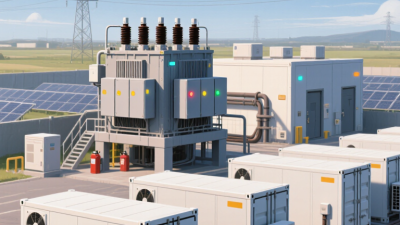
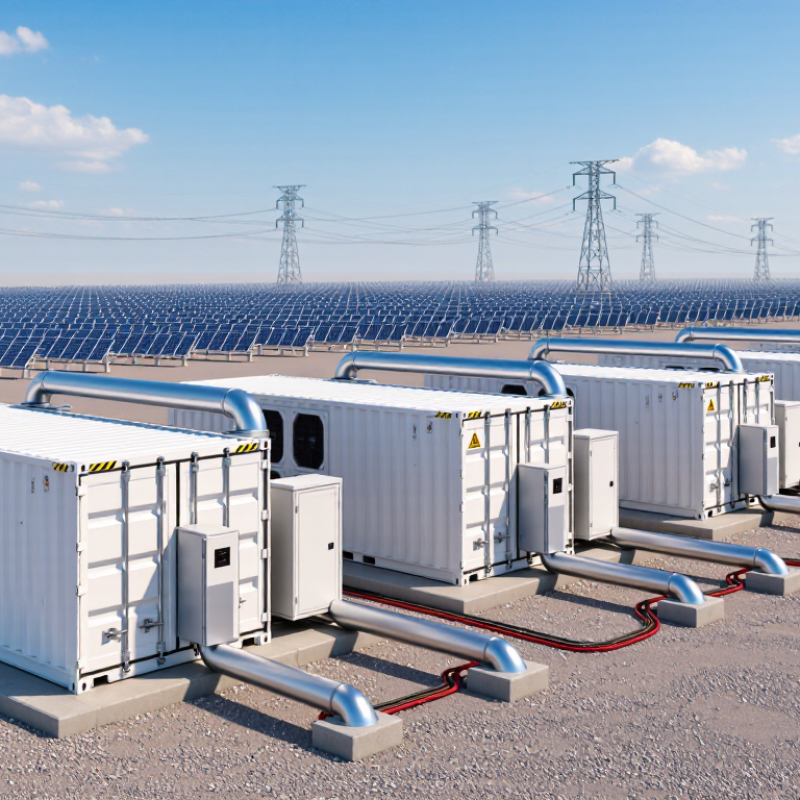
Big battery projects serve different jobs, and chemistry shapes each design. Lithium iron phosphate (LFP) systems are widely used for stationary storage because they offer long cycle life and good thermal stability. They can shift midday solar power into evening demand. Containerized units may sit beside substations or solar farms, with cooling, monitoring, and fire detection designed into the installation. Scale changes everything. Site conditions still matter.

Nickel manganese cobalt batteries can provide high energy density where space is limited, including some commercial facilities and grid-support projects. Their operating plans need careful attention to temperature, charging rates, and maintenance. A compact footprint can help, but it does not remove safety requirements. Flow batteries store energy in liquid electrolytes held in external tanks. Their modular design can suit longer-duration storage, though pumps, tanks, and balance-of-system equipment add complexity.

Sodium-ion technology is emerging as another option for stationary applications, especially where material availability and cost are important considerations. Performance varies by system and project, so buyers should compare tested operating data rather than chemistry labels alone. A spreadsheet can make this look simpler than it is. Actual results depend on climate, cycling patterns, warranties, and integration quality; even a well-designed battery may need a different operating strategy than expected.

How to Compare Suppliers, Certifications, and Total Ownership Costs

For global buyers, supplier comparisons should begin with evidence, not a low price per kilowatt-hour. BloombergNEF’s 2024 Battery Price Survey put the average lithium-ion pack price at $115/kWh, down 20% from 2023. Treat that figure as context, not a purchasing target: chemistry, usable capacity, shipping, and system integration can shift a project’s real cost. Check factory quality records, warranty exclusions, spare-parts availability, and whether the quoted capacity is usable at the battery’s operating limits. Small print matters.

Certifications also need careful checking. Confirm that test reports name the exact model and configuration being offered, and verify applicable requirements such as IEC 62619 or UL 1973 with the project’s technical advisers. A certificate for a related product is not enough. The IEA’s 2024 Batteries and Secure Energy Transitions report says global energy-storage capacity must grow sixfold by 2030 to support tripling renewable capacity. That scale makes lifecycle costs harder to ignore. Compare delivered and commissioned cost, efficiency losses, cooling and fire-safety equipment, expected capacity fade, and end-of-life handling. A low bid may exclude these items. The spreadsheet can still mislead. Ask suppliers to show assumptions in writing, then model several years of operation—not just the first invoice.


This website uses cookies. By continuing to browse this site you are agreeing to our use of cookies. Please review our Privacy Policy for more information.