10 Essential Tips for Safely Using Lithium Batteries
Lithium batteries are increasingly prevalent in our daily lives. They power everything from smartphones to electric vehicles. However, with their widespread use comes a need for safe handling practices. According to a report by the International Energy Agency, lithium-ion battery production is projected to rise by 60% by 2030. This growth emphasizes the importance of safety in their use and management.
Expert Dr. Jane Edwards, a leading authority in battery technology, states, “Using lithium batteries safely requires diligence and awareness.” Many incidents related to lithium battery fires often stem from improper charging or storage conditions. The risk of these accidents highlights the necessity for essential safety tips that everyone should follow.
Understanding the potential hazards associated with lithium batteries is crucial. While they are efficient and powerful, they can also be volatile. As consumers, we must remain vigilant about their care. By adopting safe practices, we can leverage the benefits of lithium batteries while minimizing the risks involved.

Understanding Lithium Battery Basics and Their Common Uses
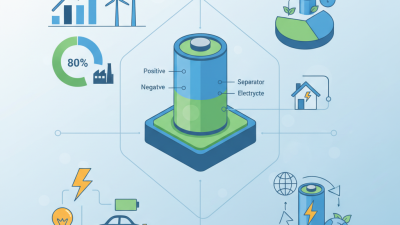
Lithium batteries have become essential in powering our daily devices. They are found in smartphones, laptops, and electric vehicles. Understanding how they work can enhance their safe usage. Lithium-ion batteries store energy through chemical reactions. This process involves lithium ions moving between the positive and negative electrodes. However, improper handling can lead to safety hazards like overheating or fires.
It’s crucial to recognize common uses of lithium batteries. They are lightweight and offer high energy density. Many people rely on them for portable electronics. However, storing and charging them incorrectly can create risks. Using the right charger and avoiding overcharging are key steps. Observing the manufacturer's guidelines is vital, yet many overlook this. Regular checks for damage or swelling are advisable as well. Ignoring these signs can result in serious issues.
10 Essential Tips for Safely Using Lithium Batteries
| Tip Number |
Tip Description |
Common Uses |
| 1 |
Always use the correct charger for your lithium batteries. |
Consumer electronics, tools |
| 2 |
Avoid exposing batteries to extreme temperatures. |
Electric vehicles, drones |
| 3 |
Inspect batteries regularly for damage before use. |
Wearable devices, flashlights |
| 4 |
Store batteries in a cool, dry place. |
Laptops, smartphones |
| 5 |
Do not charge overnight or unattended. |
Tablets, cameras |
| 6 |
Avoid puncturing or crushing lithium batteries. |
Power tools, e-bikes |
| 7 |
Recycle or dispose of old batteries properly. |
Home devices, remote controls |
| 8 |
Avoid mixing old and new batteries. |
Game controllers, electric scooters |
| 9 |
Follow manufacturer guidelines for usage and maintenance. |
All lithium battery-powered devices |
| 10 |
Keep batteries away from metal objects to prevent short circuits. |
Power banks, medical devices |
Identifying Safe Storage Practices for Lithium Batteries
Proper storage of lithium batteries is crucial for safety. According to the National Fire Protection Association (NFPA), lithium battery incidents have increased by 21% over the past five years. Safe storage can significantly reduce the risk of fire or explosion.
Batteries should be stored in a cool, dry place. Extreme temperatures can cause batteries to degrade or even catch fire. Ideally, keep them at temperatures between 20°C and 25°C (68°F and 77°F). Avoid direct sunlight. Consider using a fireproof container for added safety. It’s also essential to keep batteries away from conductive materials. This prevents short-circuiting, which can lead to overheating.
Regularly check stored batteries for damage. Cracks or leaks are warning signs that a battery could fail. Proper labeling helps avoid confusion. Ensure terminals are covered to prevent accidental contact. According to data from the Consumer Product Safety Commission (CPSC), improper handling leads to 100,000 fires annually. Enhancing awareness of safe storage practices is vital for everyone using lithium batteries.
10 Essential Tips for Safely Using Lithium Batteries
This bar chart illustrates the importance level of various safety practices when using lithium batteries. Each practice is rated from 1 to 10 based on its significance in ensuring safe usage and storage of lithium batteries.
Recognizing Signs of Battery Damage and Potential Hazards
When using lithium batteries, recognizing signs of damage is crucial. Pay attention to any swelling or deformation. A battery that appears bloated is likely compromised and may pose hazards. Also, be wary of any leakage. A foul odor or visible liquid can indicate serious issues. These signs shouldn't be ignored.
Monitor your batteries regularly. Look for any discoloration on the casing. This could signal overheating or internal failure. Always check connections; loose terminals can create sparks. If you notice unusual sounds, such as hissing or popping, it might be time to dispose of the battery safely.
Even a minor scratch can be a reason for concern. Small damages can lead to larger failures later. Store batteries in a cool and dry place. Avoid exposing them to extreme temperatures. A lack of attention can result in disasters. Always err on the side of caution with damaged batteries.
Implementing Safe Charging Techniques and Equipment
When charging lithium batteries, safety is paramount. Always use a charger specifically designed for lithium-ion batteries. These chargers are engineered to provide the correct voltage and current. A mismatched charger can lead to overheating or even fires. Check the specifications of your battery and charger to ensure harmony.
Proper charging techniques are essential. Avoid leaving batteries unattended during charging. If possible, charge batteries on a non-flammable surface, away from flammable materials. Monitor the battery's temperature. If it becomes excessively hot, disconnect it immediately. This practice can significantly reduce risks.
It's crucial to consider the environment as well. Charging in extreme temperatures can harm battery health. Optimal charging occurs between 20°C to 25°C. Cold or excessively hot settings can lead to performance issues. Regularly inspecting batteries for signs of damage or wear is also wise. A cracked casing or bulging shape may signal a potential failure.
Disposing of Lithium Batteries Responsibly and Environmentally
Disposing of lithium batteries responsibly is crucial. These batteries are common in many devices, from smartphones to electric vehicles. Proper disposal prevents pollution and safeguards human health. Many people throw them away with regular trash, not realizing the dangers.
Recycling is the best option. Some centers specifically handle lithium batteries. They can recover valuable materials and reduce environmental impact. However, locating these centers can be challenging. Researching local recycling programs should be a priority. Check local ordinances and guidelines to ensure compliance. This way, you can contribute to a cleaner planet.
Improper disposal can lead to severe issues. Lithium batteries can leak harmful chemicals if damaged. These chemicals might contaminate soil and waterways. The consequences can be long-lasting and devastating. Reflect on your disposal habits. Are you doing enough? Taking responsibility is vital for future generations. Make informed choices for a healthier planet.