What is Bulk Hand Sanitizer and Why is it Important for Hygiene?
In today's fast-paced world, maintaining hygiene has become more essential than ever. Bulk hand sanitizer is a key player in promoting public health. This disinfectant allows for convenient access, especially in high-traffic areas. With its increasing necessity, understanding its significance is vital.
Bulk hand sanitizer helps combat harmful germs and bacteria effectively. By providing easy availability, it encourages frequent use. Establishments like schools, hospitals, and offices benefit greatly from having hand sanitizers in large supplies. This not only ensures cleanliness but also boosts community confidence in health safety.
Despite its importance, many people underestimate the role of bulk hand sanitizer. Some believe that washing hands with soap is sufficient. However, when soap and water aren’t available, bulk hand sanitizer becomes indispensable. Recognizing its value is crucial in fostering a culture of hygiene and health.

Definition of Bulk Hand Sanitizer and Its Components
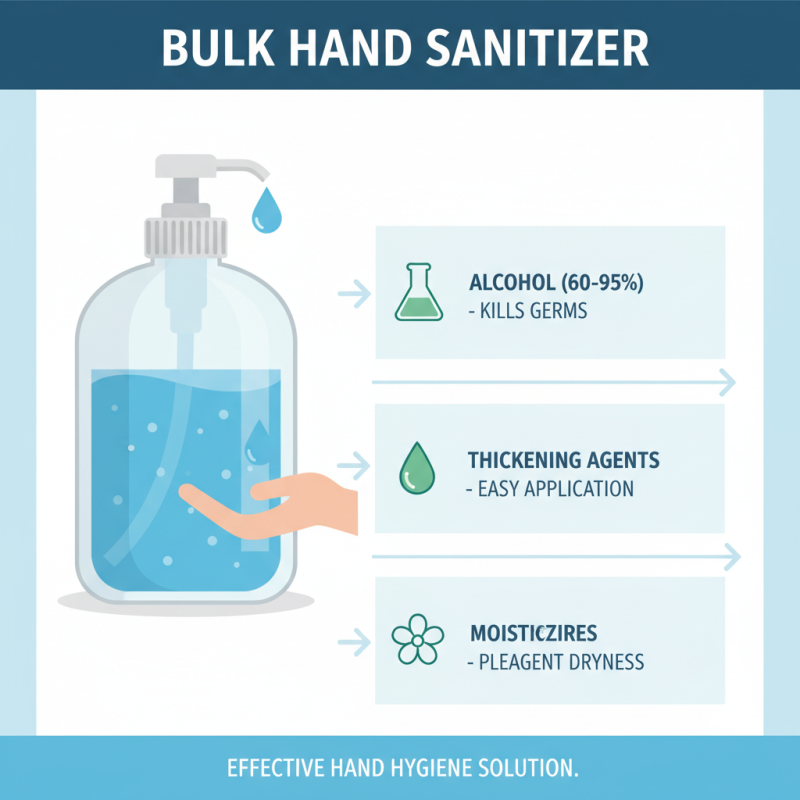
Bulk hand sanitizer is a large-volume solution designed for effective hand hygiene. It typically contains alcohol as its primary active ingredient, usually in concentrations of 60% to 95%. Other components include thickening agents, moisturizers, and fragrances. These elements ensure the sanitizer is easy to apply and does not excessively dry the skin. The combination of these ingredients allows bulk hand sanitizer to effectively kill germs and bacteria.
When selecting bulk hand sanitizer, consider the alcohol content first. High alcohol concentrations are crucial for effectiveness. Additionally, examine the ingredients for skin-friendly additives. Some sanitizers can be harsh, leading to skin irritation. It's essential to find a product that balances efficacy and skin care.
Using bulk hand sanitizer appropriately is vital. Apply a generous amount to cover all surfaces of your hands. Rub them together for at least 20 seconds. Ensure the sanitizer evaporates completely before touching other surfaces. This method maximizes germ-killing efficiency and protects your health. Always wash hands with soap and water when possible for the best results. Remember, hand hygiene is a shared responsibility.
Importance of Hand Hygiene in Disease Prevention
Hand hygiene is a critical component in preventing the spread of infectious diseases. According to the World Health Organization (WHO), handwashing can reduce the risk of respiratory infections by about 16%. Regular use of hand sanitizer, especially in bulk, ensures that individuals have access to this crucial hygiene measure. Data shows that outbreaks of diseases, particularly in healthcare settings, often correlate with poor hand hygiene practices.
In addition, a study published in the American Journal of Infection Control highlighted that proper hand hygiene could prevent nearly 30% of gastrointestinal sicknesses. Despite this, many people still neglect proper techniques. Educational initiatives are essential to reinforce the importance of using hand sanitizer, especially when soap and water are unavailable. Frequent reminders and visual aids can bridge the gap in knowledge and practice.
Access to bulk hand sanitizer is pivotal. Organizations should ensure it is available in communal spaces. However, reliance solely on hand sanitizer is not enough. There is a risk that people may become complacent, believing that hand sanitizers can replace thorough handwashing. Continuous evaluation of hygiene practices is necessary to maintain a safe environment, especially in high-risk areas.
Advantages of Using Bulk Hand Sanitizer in Various Settings
Bulk hand sanitizer plays a vital role in maintaining hygiene in various environments. In settings like schools, offices, and hospitals, the availability of bulk hand sanitizer ensures that people can easily access effective cleaning options. Quick and convenient, these sanitizers can be dispensed in moments, making it easy for individuals to keep their hands clean. This is particularly important during flu seasons or pandemics. Having sanitizer readily available encourages frequent use, which greatly reduces the spread of germs.
Using bulk hand sanitizer also promotes sustainability. Traditional small bottles generate more plastic waste. In contrast, bulk options decrease waste significantly. Organizations can refill stations rather than continually replacing single-use bottles. However, relying solely on hand sanitizer may lead to complacency in handwashing. People might forget the importance of soap and water. This can create gaps in hygiene practices. Managers should educate staff about complementary hygiene methods along with sanitizer use. A well-rounded approach is crucial for true effectiveness in any setting.
Importance of Bulk Hand Sanitizer in Various Settings
Regulatory Standards and Guidelines for Bulk Hand Sanitizers
Bulk hand sanitizers play a vital role in maintaining hygiene, especially in environments where frequent handwashing is not feasible. Regulatory standards, such as those from the FDA, specify that effective hand sanitizers must contain at least 60% alcohol. This threshold is necessary to ensure proper disinfection and minimize the risk of pathogen transmission. According to a 2021 report from the World Health Organization, the right formulation can reduce bacteria by more than 99% when used correctly.
Adhering to these guidelines is critical for ensuring safety in various settings. Facilities such as hospitals, schools, and food service industries must implement these standards. Failure to comply can lead to increased contamination risks. Additionally, understanding the importance of proper labeling and storage practices is essential. Many mistakenly believe that all sanitizers are equal, leading to improper use. In fact, data shows that improper application can significantly diminish a product's effectiveness.
Moreover, it’s essential to keep in mind that not all situations require hand sanitizer. Soap and water remain the gold standard for hand hygiene. However, when soap is unavailable, bulk hand sanitizers can provide a beneficial alternative. Awareness of their efficacy and limitations is crucial for public health. Continuous education can empower users to make informed choices about hygiene practices.
What is Bulk Hand Sanitizer and Why is it Important for Hygiene?
| Aspect |
Description |
Regulatory Standards |
Importance |
| Definition |
Bulk hand sanitizer is a large quantity of hand antiseptic used for disinfection. |
FDA and WHO guidelines for alcohol-based hand sanitizers. |
Prevents the spread of infectious diseases. |
| Composition |
Typically consists of ethanol or isopropyl alcohol. |
Must contain at least 60% alcohol content. |
Effective against germs and viruses. |
| Usage Guidelines |
Apply a sufficient amount to cover all hand surfaces. |
Follow label instructions and safety data sheets. |
Ensures maximum effectiveness and safety during use. |
| Storage |
Keep in a cool, dry place away from direct sunlight. |
Comply with local fire regulations for flammable materials. |
Prevents degradation and maintains product integrity. |
Best Practices for Storing and Dispensing Bulk Hand Sanitizer
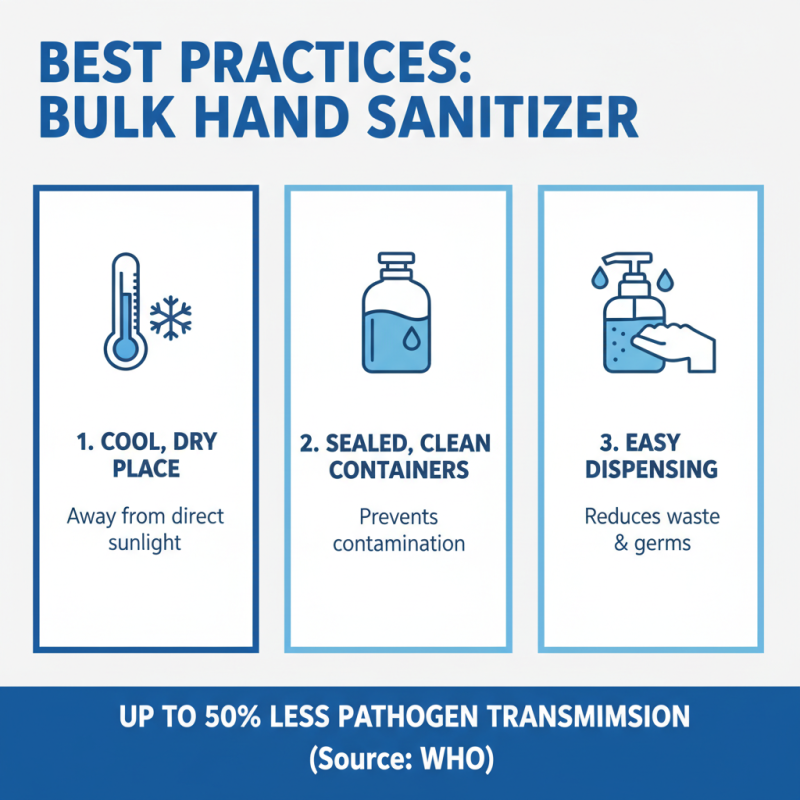
Proper storage and dispensing of bulk hand sanitizer are essential for maintaining hygiene standards. A study by the World Health Organization highlights that proper hand hygiene can reduce the transmission of pathogens by up to 50%. When storing bulk hand sanitizer, ensure it is kept in a cool, dry place away from direct sunlight. This helps maintain its effectiveness. Use containers that prevent contamination and are easy to dispense.
Dispensing methods can vary. Pumps and wall-mounted dispensers are popular choices. They allow for easy access while minimizing contamination risks. A survey indicated that over 70% of users preferred touch-free dispensers. These devices reduce the chances of spreading germs. Regularly check and refill these dispensers to avoid running out, especially in high-traffic areas.
Training employees on proper usage is crucial. Misapplication can lead to inadequate sanitization. Remind everyone to use an adequate amount, typically around 3-5 mL per application. Encourage rubbing hands for at least 20 seconds to ensure thorough coverage. Despite its importance, many neglect these guidelines. Promoting awareness can bridge this gap. Remember, hygiene is a collective effort.