Top 10 Tips for Choosing a Chemical Storage Building?
When it comes to ensuring safety and compliance in the management of hazardous materials, selecting the right Chemical Storage Building is crucial. These structures play a critical role in protecting both people and the environment. Their importance cannot be understated. A well-designed chemical storage facility should minimize risks and meet regulatory requirements.
Choosing the proper Chemical Storage Building involves careful consideration of various factors. Not every building is suitable for every type of chemical. The size, ventilation, and accessibility of the facility all influence its effectiveness. It’s essential to understand the specific needs based on chemical types and quantities stored.
Reflecting on previous decisions can help improve future choices. Mistakes in the selection process can lead to safety hazards or regulatory issues. Thus, applying thoughtful evaluation and professional insight is necessary. In this guide, we will explore the top ten tips to assist you in making an informed decision about Chemical Storage Buildings.
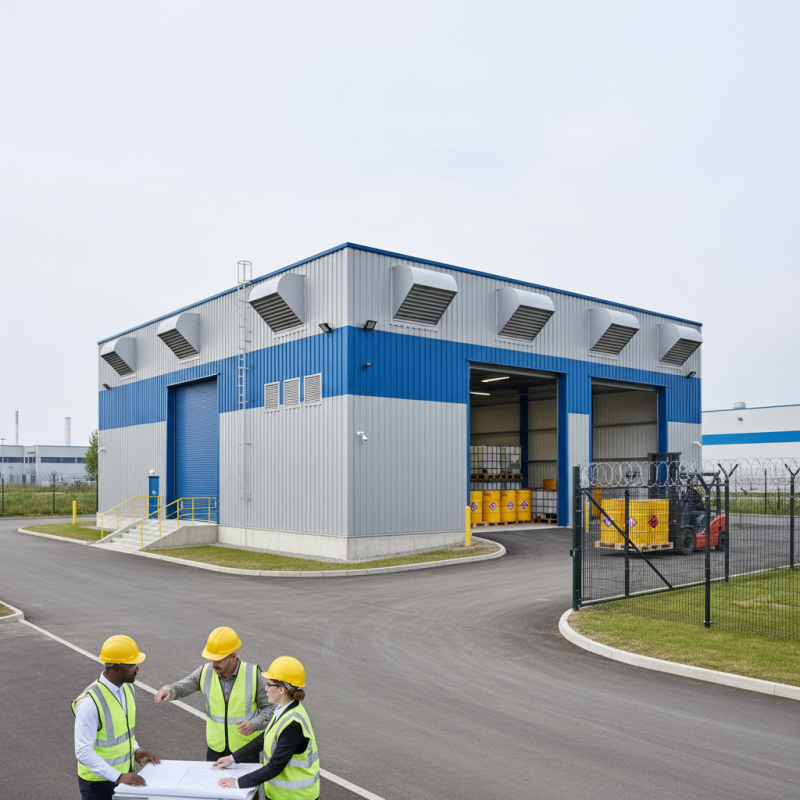
Understanding the Importance of Chemical Storage Buildings
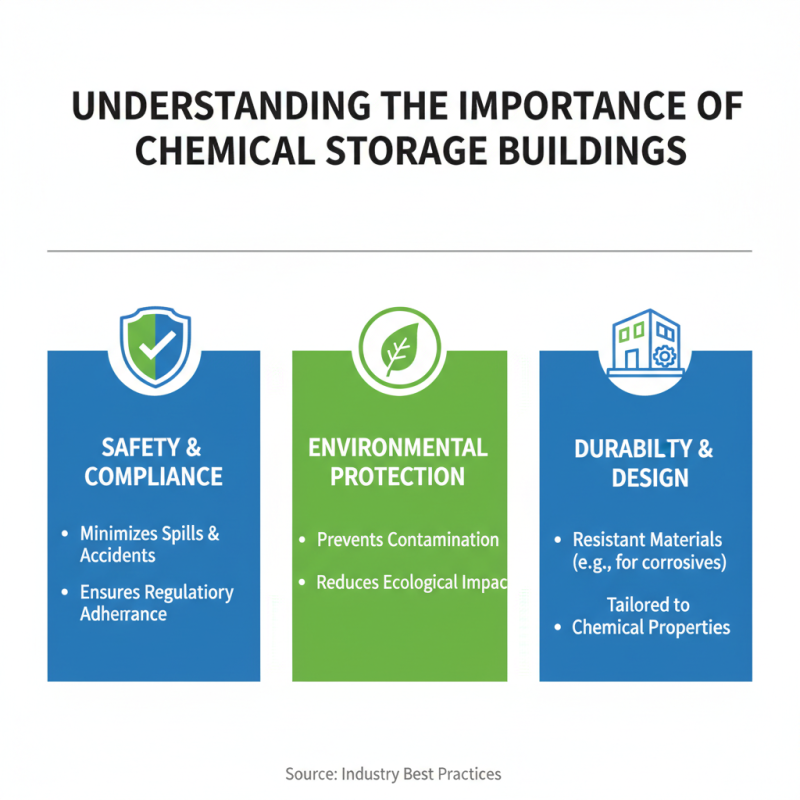
Chemical storage buildings play a crucial role in ensuring safety and compliance in various industries. Proper storage minimizes the risk of spills, accidents, and environmental contamination. The design and materials used in these buildings must withstand the specific properties of the chemicals stored inside. For example, corrosive substances require resistant materials to prevent leaks.
When selecting a chemical storage building, consider the potential hazards. A thorough risk assessment is essential. It should identify chemical interactions, fire risks, and necessary containment measures. Many overlook the importance of ventilation. Inadequate airflow can lead to harmful fumes accumulating, posing a serious threat. Regular inspections and proper maintenance ensure ongoing compliance with regulations, yet many facilities neglect this aspect.
It's important to remember that even the most secure facility can face challenges. Human error, equipment failure, or unforeseen events can still occur. Continuous training and awareness for staff are vital. This ongoing education fosters a culture of safety and preparedness, ensuring everyone understands the importance of proper chemical storage and its impact on the broader environment.
Key Factors to Consider in Site Selection for Chemical Storage
When selecting a site for a chemical storage building, several factors demand careful attention. Geography plays a crucial role. Consider the location’s proximity to transportation routes. Easy access reduces logistical challenges but increases risks if not managed correctly. Analyze the terrain as well; unstable ground can cause structural issues.
Environmental factors are equally important. Evaluate local climate patterns. Areas prone to flooding or extreme temperatures can compromise the integrity of stored chemicals. Next, check zoning laws and regulations. Ensure compliance to avoid costly legal battles later.
Safety should always be at the forefront. Assess the potential hazards of nearby businesses or communities. Look for buffer zones to minimize risk to personnel and the public. This reflection on site suitability often reveals overlooked issues. Regular assessments and updates to safety protocols bolster reliability over time. Do not underestimate the importance of thorough planning in protecting both your assets and the surrounding environment.
Identifying the Right Materials for Construction and Design
Choosing the right materials for a chemical storage building is crucial. Start with understanding the types of chemicals you plan to store. Corrosive substances require special attention to prevent damage. Using non-corrosive materials such as polyethylene can help mitigate risks. For flammable materials, consider using fire-resistant materials like steel or specialized composites. Always consult safety data sheets for specific chemical compatibility.
The design of your storage building should accommodate ventilation. Adequate airflow reduces the risk of chemical buildup. Evaluate roofing materials as well. They must withstand various weather conditions while preventing leaks. Think about the flooring, too. It should be durable and resistant to spills. Consider using sloped floors to assist in containment.
Reflect on your previous storage solutions. Did they meet safety standards? Were you ever faced with spills or leaks? Learning from past experiences is vital. Every chemical storage facility has unique needs. Pay close attention to details, as they can make a significant difference in safety and efficiency. The right materials can help create a functional and secure environment.
Essential Safety Features and Regulations for Chemical Storage
When choosing a chemical storage building, safety features must be a priority. Key regulations govern how chemicals should be stored. Compliance with local and federal laws is essential. Understand the specific needs of the chemicals you will store. Each substance may have unique storage requirements.
Consider ventilation as a vital element. Proper airflow prevents the accumulation of harmful fumes. Fire suppression systems are equally important. Automatic sprinklers or other suppression systems can mitigate risks.
Additionally, select a building constructed with durable materials. These materials should resist corrosion and chemical damage. Regular inspections are crucial for ongoing safety. Avoid complacency in maintaining your storage area. Investing in training for staff will further enhance safety practices. Finding the right balance between functionality and compliance is key.
Assessing the Cost and Maintenance of Chemical Storage Facilities
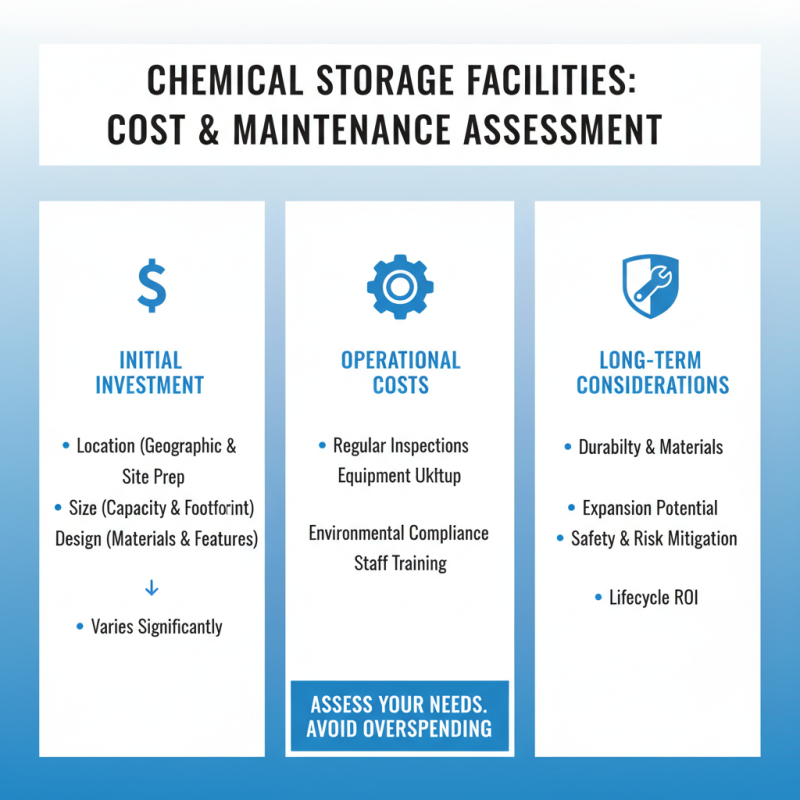
Choosing a chemical storage building requires careful consideration, especially regarding cost and maintenance. The initial investment can vary significantly. Factors like location, size, and design all influence the overall expenditure. It's crucial to assess your specific needs to avoid overspending.
Maintenance costs are another critical factor. Regular inspections and adherence to safety regulations are essential. Aging structures may need more frequent repairs, which can inflate budgets. It's important to factor in these potential costs when planning your chemical storage facility.
Think about the long-term implications of your choice. A cheaper storage solution may lead to higher maintenance costs later. Investing in quality materials can save money over time. However, be wary; not all materials guarantee durability. Reflect on past experiences and ensure you’re making informed decisions. Each choice carries risks and benefits that must be weighed carefully.