
China Top Flammable Liquid Cabinet Manufacturers
Choosing a Flammable Liquid Cabinet manufacturer in China requires more than comparing prices or product photos. Buyers need clear specifications, consistent workmanship, and practical support throughout sourcing and delivery. A cabinet may look sturdy online, yet its hinges, door alignment, and internal finish tell a more useful story.
This guide introduces leading Chinese manufacturers and the details worth checking before requesting a quotation. Compare cabinet capacity, steel thickness, shelf design, ventilation options, locking hardware, and available product documentation. Ask how the manufacturer checks welds, coating quality, and door operation. Clear answers matter. So do sample photos and inspection records.
Consider the intended workspace, container sizes, and daily handling routines before choosing a model. A well-matched cabinet can help organize storage and reduce avoidable handling risks, but it cannot replace staff training or sound site procedures. Specifications and available evidence vary between suppliers. That deserves a second look. The sections ahead offer a practical way to assess manufacturers, compare products, and identify questions that deserve answers before a purchase.
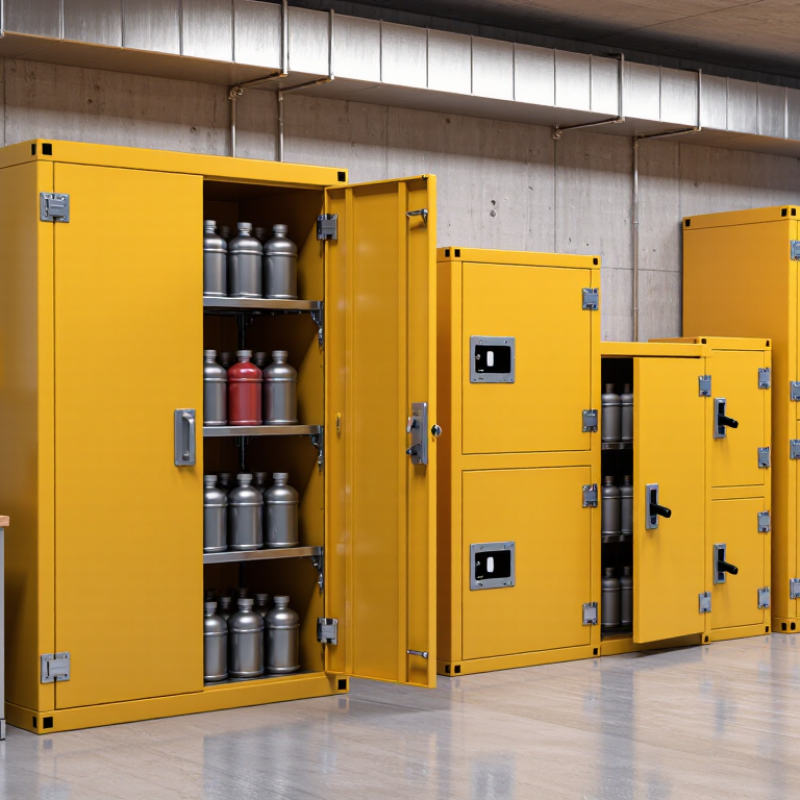
What Flammable Liquid Cabinets Are and How They Protect Users
A flammable liquid cabinet is a purpose-built enclosure for storing containers of combustible liquids. Its steel body, reinforced doors, and raised spill-containment sump help limit leaks and slow the spread of a fire. Many designs include self-closing doors and flame-arresting vents, though features vary by model. It is a barrier, not a fireproof box.
In daily use, the cabinet keeps liquid containers together and away from routine work areas. A clearly marked door helps staff identify the hazard quickly. Keep containers closed, upright, and arranged so labels remain visible. Leave the sump clear; a small spill can otherwise hide beneath stored items. That detail is easy to miss.
Good storage depends on placement as much as construction. Set the cabinet on a stable, level surface, away from heat and busy walkways. Follow the cabinet instructions and the liquid’s safety data sheet for storage and ventilation needs. Inspect hinges, door latches, and seals regularly. If a door no longer closes fully, protection may be reduced. Even a well-made cabinet cannot replace careful handling, and that distinction deserves a second look.
China Top Flammable Liquid Cabinet Manufacturers - What Flammable Liquid Cabinets Are and How They Protect Users
| Information Dimension | Practical Details | How It Helps Protect Users |
|---|---|---|
| What the cabinet is | A purpose-built enclosure for storing flammable or combustible liquids in suitable, closed containers. It is not a substitute for safe handling or a fire-rated room. | Keeps containers together in a designated storage location and helps limit exposure to spills, ignition sources, and workplace clutter. |
| Typical construction | Common models use double-wall steel construction, a sealed or liquid-tight bottom sump, self-closing doors on selected models, and a latch or lock. Construction and performance vary by product. | The enclosure can help delay heat exposure; the sump can contain leaks from stored containers. Check product specifications rather than assuming every cabinet has the same features. |
| Storage capacity | Under U.S. OSHA rules, a cabinet may store up to 60 gallons (about 227 L) of Category 1, 2, or 3 flammable liquids, or up to 120 gallons (about 454 L) of Category 4 flammable liquids. Applicable local rules may differ. | Staying within the applicable limit helps prevent overloading and supports compliant storage. Confirm chemical classifications and local requirements before selecting a cabinet. |
| Fire-performance ratings | Some cabinets are tested to EN 14470-1, which includes fire-resistance classes such as 15, 30, 60, and 90 minutes. A rating applies only to products tested and documented for that classification. | A verified rating indicates tested fire resistance under the standard’s test conditions; it does not make the cabinet fireproof or guarantee protection in every fire scenario. |
| Spill containment | Many designs include a raised, leak-resistant sump. Usable sump volume and construction should be checked in the product documentation. | Containment can help keep a small leak from spreading across the floor, where it could create additional fire, exposure, or slip hazards. |
| Ventilation | Ventilation needs depend on the chemicals, cabinet design, and applicable rules. Do not open or connect vents unless the manufacturer’s instructions and local fire and safety requirements permit it. | Following the specified setup helps avoid creating an unintended pathway for vapors or compromising tested cabinet performance. |
| Suitable contents | Store compatible, properly closed containers and keep incompatible chemicals separate. The cabinet’s intended use and chemical compatibility should be confirmed before storage. | Correct segregation reduces the chance of hazardous reactions, container damage, or a spill involving incompatible substances. |
| Selection checks | Compare required capacity, cabinet dimensions, door type, sump details, tested standards, documentation, and suitability for the intended chemicals and workplace. | A documented, fit-for-purpose selection is more reliable than choosing by appearance or price alone. |
| Safe use and inspection | Keep doors closed when not in use, maintain clear access, follow container and quantity limits, and inspect doors, latches, shelves, and the sump regularly. | Routine checks help identify damage, leaks, or operating problems before they undermine safe storage. |
Requirements vary by jurisdiction and workplace. Consult the applicable fire code, occupational-safety rules, chemical safety data sheets, and cabinet documentation.
Related Posts
-
China Top 10 Flammable Liquid Cabinet Suppliers?
-
What is a Flammable Liquid Cabinet and Why is it Important?
-
What Is the Best Hazmat Locker for Chemical Storage?
-
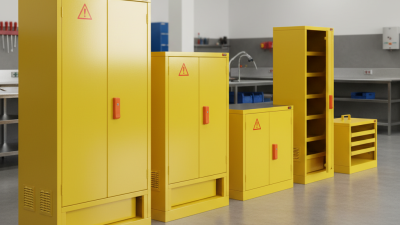
Top 5 Best Flammable Liquid Cabinets to Keep Your Workspace Safe?
-
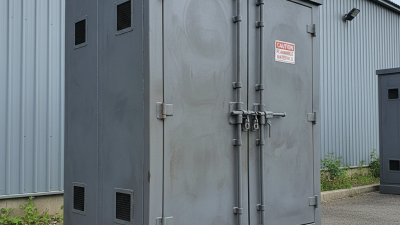
Top 10 Outdoor Flammable Storage Cabinet Features to Know?
-
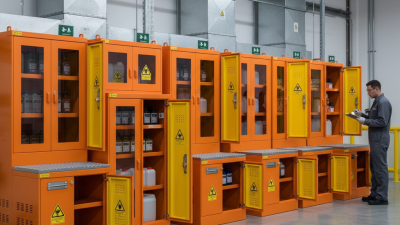
Top 10 Flammable Liquid Cabinets for Safe Storage Solutions?