
A Lithium Battery stores electrical energy through reversible chemical reactions involving lithium ions. Many people use “lithium battery” to describe rechargeable lithium-ion cells. However, the terms are not always identical. Some lithium batteries are designed for single use, while lithium-ion batteries support repeated charging.
Inside a typical lithium-ion cell, lithium ions move between a graphite anode and a metal-oxide cathode. An electrolyte carries the ions. A thin separator keeps the electrodes apart. During discharge, lithium ions travel through the electrolyte. Electrons move through the external circuit instead. That movement powers a phone, laptop, electric vehicle, or medical device. During charging, the process reverses. It is simple in theory. Real cells are more complicated.
Akira Yoshino, a pioneer of lithium-ion technology, described it as “a technology that has changed the world.” His statement reflects the battery’s reach. It also deserves careful qualification. A Lithium Battery does not create energy. It stores and releases energy. Performance depends on chemistry, temperature, charging habits, and cell design. A battery left in a hot car may age faster. A damaged cell can swell, lose capacity, or overheat. Good battery systems therefore use separators, sensors, and battery-management circuits. These features monitor voltage, temperature, and current. They cannot remove every risk. No battery is perfect.
Understanding how a Lithium Battery works helps consumers judge capacity, power, lifespan, and safety more realistically. It also reveals an uncomfortable truth: higher energy density often demands stricter engineering. The impressive result is never accidental.
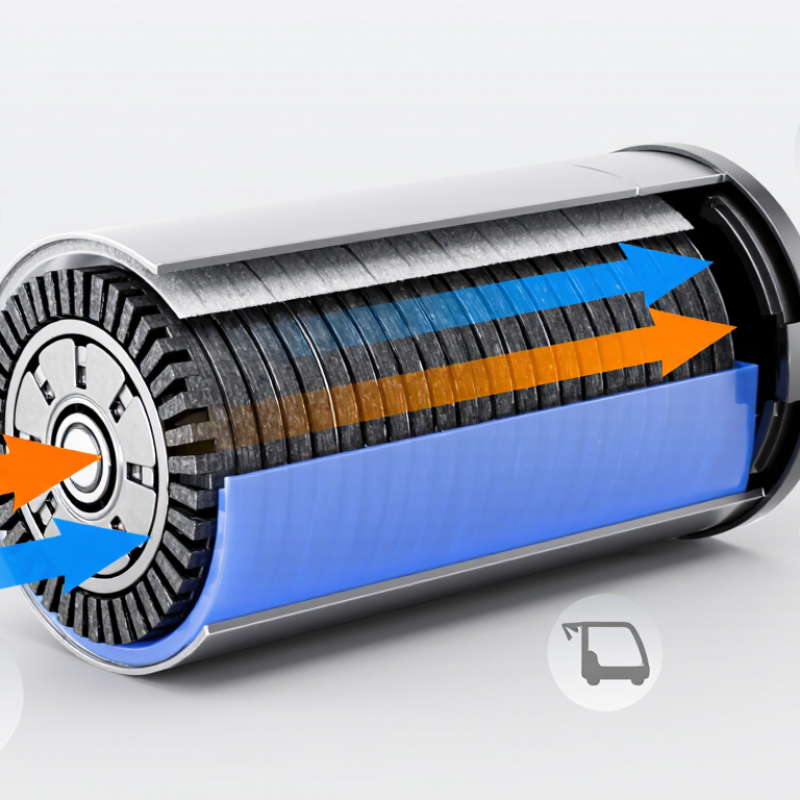
A lithium battery stores energy through chemical reactions involving lithium ions. In rechargeable lithium-ion cells, ions move between the negative electrode and positive electrode. During discharge, lithium ions travel through the electrolyte toward the positive electrode. Electrons move through the external circuit instead, powering a phone, tool, or vehicle. A separator keeps the electrodes apart while allowing ions to pass.
Lithium batteries are known for high energy density, low self-discharge, and relatively light weight. Their voltage remains fairly stable during use, which supports consistent device performance. However, capacity changes with temperature, charging speed, age, and operating load. Cold conditions can reduce output noticeably. Heat can accelerate aging and create safety concerns. In practical testing, a battery’s printed capacity does not always match everyday performance. That difference deserves attention.
Tips: Use the charger specified for the battery system. Avoid crushing, puncturing, or exposing cells to excessive heat. Store them in a dry place with moderate charge when they will sit unused. Stop using a swollen, leaking, or unusually hot battery. Never ignore a strange smell. A battery management system can monitor voltage, temperature, and charging limits, but it cannot correct every design or handling mistake.
What Is a Lithium Battery and How Does It Work?
Main Components of a Lithium Battery
A lithium battery contains several parts that work together to store and release electrical energy. The cathode holds lithium compounds and receives lithium ions during discharge. The anode usually stores lithium ions when the battery is charged. These electrodes are connected through current collectors, which carry electrons into an external circuit.
Between the electrodes sits an electrolyte. It allows lithium ions to move inside the cell, but it does not normally carry electrons. A thin separator keeps the electrodes apart and helps prevent internal short circuits. Small parts matter. The cell casing provides mechanical protection and helps control exposure to moisture and air.
In rechargeable lithium-ion batteries, a battery management system monitors voltage, temperature, and current. It can balance individual cells and disconnect the pack during unsafe conditions. In practical inspections, unusual swelling, sharp heat, or a chemical smell should never be ignored. Heat changes everything. A simple diagram often makes the battery seem predictable, but real performance also depends on charging speed, age, pressure, and temperature. I would not treat capacity labels as permanent facts; they change with use. The chemistry sounds simple, yet small manufacturing differences can affect safety, service life, and available power.
What Is a Lithium Battery and How Does It Work?
A lithium-ion battery stores energy by moving lithium ions between two electrodes. During charging, an external power source pulls lithium ions from the cathode through the electrolyte. The ions settle inside the anode, often graphite. Electrons take a different route through the charging circuit. They cannot cross the separator directly. During discharge, the process reverses. Lithium ions travel back to the cathode, while electrons flow through the device and provide usable power.
The movement sounds orderly, but real cells are less perfect. Internal resistance creates heat, and small chemical side reactions slowly reduce capacity. Temperature, charging speed, and electrode design all affect this behavior. The International Energy Agency reported that global electric-vehicle battery demand exceeded 750 GWh in 2023, rising about 40% from the previous year. That scale makes safe ion transport an engineering priority, not just a laboratory detail. The U.S. Department of Energy also identifies battery management systems as important for monitoring voltage, temperature, and state of charge. The basic model is clear. Battery aging is not.
Tips: Keep charging temperatures moderate, avoid repeated extreme depletion, and use equipment designed for the battery. Faster charging can be convenient, but it may increase heat and stress. Check the manufacturer’s technical guidance. Small habits matter.
| Data Dimension | Charging | Discharging | Scientific Explanation |
|---|---|---|---|
| Overall Energy Flow | Electrical energy from an external power source is stored as chemical energy. | Chemical energy is converted into electrical energy for an external device. | A rechargeable lithium-ion cell reversibly converts energy between electrical and chemical forms. |
| Lithium-Ion Movement | Lithium ions move through the electrolyte from the positive electrode to the negative electrode. | Lithium ions move through the electrolyte from the negative electrode to the positive electrode. | Lithium ions carry charge inside the cell, while electrons travel through the external circuit. |
| Electron Movement | An external charger pushes electrons toward the negative electrode through the charging circuit. | Electrons flow from the negative electrode through the device and then to the positive electrode. | Electrons generally do not pass through the electrolyte; they move through the conductive external path. |
| Negative Electrode | It accepts and stores lithium ions, commonly within a carbon-based host material such as graphite. | It releases lithium ions and electrons as the cell supplies power. | In a typical lithium-ion cell, this electrode is often called the anode during discharge and the cathode during charging. |
| Positive Electrode | It releases lithium ions and accepts electrons. | It accepts lithium ions and electrons during the cell reaction. | It is usually made from a lithium-containing transition-metal compound, although the exact chemistry varies. |
| Electrolyte | Provides a pathway for lithium ions to move toward the negative electrode. | Provides a pathway for lithium ions to move toward the positive electrode. | The electrolyte conducts ions but is designed to prevent direct electron flow inside the cell. |
| Separator | Maintains physical separation between the electrodes while allowing lithium ions to pass through its pores. | Continues to prevent direct contact between the electrodes while permitting ion transport. | The separator helps reduce the risk of an internal short circuit. |
| External Circuit | The charger supplies the electrical potential needed to drive the reaction in the reverse direction. | The connected device receives electrical current from the flowing electrons. | The external circuit is the route used by electrons; the internal electrolyte is the route used by lithium ions. |
| Typical Cell Voltage | Voltage rises as the cell approaches its upper state-of-charge limit. | Voltage generally declines as stored energy is used. | A common lithium-ion cell has a nominal voltage of approximately 3.6–3.7 volts, but operating limits depend on its chemistry and design. |
| State of Charge | Increases as lithium ions are transferred to the negative electrode. | Decreases as lithium ions leave the negative electrode. | State of charge describes the remaining usable capacity relative to the cell's rated capacity. |
| Heat Generation | Some heat is produced by internal resistance, ion transport, and charging losses. | Some heat is produced by internal resistance and electrochemical losses as current flows. | Excessive heat can accelerate degradation and may create safety risks, so temperature control is important. |
| Cycle Aging | Repeated ion insertion and removal can gradually change electrode structure and increase resistance. | Repeated cycling can reduce capacity and power performance over time. | Battery life depends on temperature, charge rate, discharge rate, depth of discharge, and operating voltage. |
What Is a Lithium Battery and How Does It Work?
Lithium batteries store energy through the movement of lithium ions between two electrodes. In rechargeable lithium-ion cells, ions travel through an electrolyte during charging and discharging. Electrons move through the external circuit and power a device. Lithium-ion is a battery family, not one single chemistry. Lithium iron phosphate, or LFP, offers strong thermal stability and long cycle life. Nickel manganese cobalt, or NMC, provides high energy density for compact designs. Lithium cobalt oxide is common in small electronics, although it can require careful heat management. Lithium primary cells, such as coin batteries, are not normally rechargeable.
Tips: Match the chemistry to the job. Check voltage, capacity, temperature limits, and the protection circuit before installation. Keep rechargeable cells away from heat, moisture, and physical damage. Never rely on appearance alone.
These batteries support many everyday applications. Smartphones and laptops use compact rechargeable cells. Electric bicycles and vehicles use larger battery packs with sensors and battery-management systems. Solar storage systems collect electricity during daylight and release it at night. Medical equipment, tools, cameras, and backup devices also depend on lithium technology. A practical detail matters: cold weather can reduce available power, while high temperatures may accelerate aging. No battery is perfect. Actual service life depends on charging habits, load size, storage conditions, and cell quality. Even well-designed packs need inspection, because real-world use is less predictable than laboratory testing.
A lithium battery moves lithium ions between two electrodes through an electrolyte. During charging, ions travel toward the negative electrode. During use, they move back and release electrical energy. A battery management system monitors voltage, current, and temperature. It can disconnect the circuit when readings become unsafe. The International Energy Agency reported that global electric-vehicle battery demand exceeded 750 GWh in 2023. That growth reflects strong energy-density advantages.
Safety depends on more than chemistry. Separators help prevent internal contact between electrodes. Pressure vents can release gas during severe overheating. Certified designs also undergo abuse and electrical testing. Yet thermal runaway remains a serious limitation. A damaged cell may heat nearby cells, especially after crushing, overcharging, or poor manufacturing. Cold temperatures reduce power temporarily, while repeated high heat accelerates aging. BloombergNEF reported a 14% decline in average lithium-ion pack prices during 2023. Lower costs help adoption, but they do not remove safety responsibilities. Recycling is improving, although collection and material recovery remain uneven. That deserves more attention.
Tips: Keep batteries away from direct heat and moisture. Use the supplied charger or a properly rated replacement. Stop using a pack that swells, leaks, smells unusual, or becomes extremely hot. Do not ignore small warning signs. Store rechargeable batteries partly charged in a cool, dry place. Check local recycling guidance instead of placing them in household waste. Personally, I would treat unfamiliar damage as a reason to seek professional inspection, not a home repair project.
This website uses cookies. By continuing to browse this site you are agreeing to our use of cookies. Please review our Privacy Policy for more information.