
Top Chemical Storage Building Manufacturer in China?
Chemical demand is expanding, and storage infrastructure must keep pace. UNEP’s Global Chemicals Outlook II reported global chemical sales of approximately US$5.7 trillion in 2017. It also projected that chemical production could double by 2030. These figures reveal a practical challenge. More inventory requires stronger control over fire, leakage, ventilation, segregation, and emergency access.
A Chemical Storage Building is not simply a steel enclosure with chemical-resistant flooring. It needs engineered drainage, compatible materials, clear labeling, controlled temperature, and carefully planned separation zones. NFPA 30 and ISO 45001 provide valuable reference points for flammable-liquid protection and occupational safety. Local Chinese requirements also deserve careful review before production begins.
Trevor Kletz, a respected process-safety author, wrote, “Learn from the accidents of others.” That sentence still matters inside a modern chemical facility. A reliable manufacturer should convert lessons into details, such as raised thresholds, sealed joints, spill-retention curbs, and unobstructed inspection paths.
China offers extensive fabrication capacity, strong supply-chain access, and experienced industrial contractors. However, low price alone does not prove competence. A supplier should demonstrate tested materials, traceable welding records, load calculations, ventilation design, and installation experience. Factory photographs are helpful, but they are not proof.
Small oversights can become expensive. Even experienced teams may miss drainage gradients or incompatible storage zones. This guide examines how to identify a top Chemical Storage Building manufacturer in China, using safety evidence, engineering capability, quality controls, and project transparency rather than marketing claims.
What Is a Chemical Storage Building?
Top Chemical Storage Building Manufacturer in China?
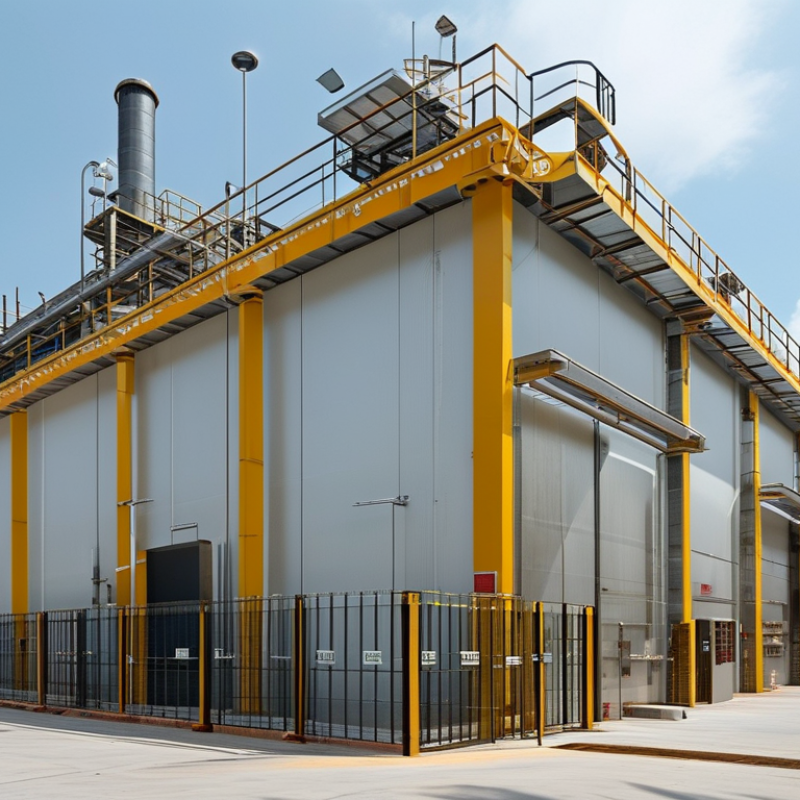
A chemical storage building is an engineered enclosure for receiving, separating, and protecting chemical materials. It is more than a steel shed. A reliable design combines fire-resistant construction, compatible surfaces, ventilation, spill containment, drainage control, and restricted access. Storage zones should reflect chemical compatibility, not simply available floor space. Labels, inspection routes, emergency lighting, and visible handling instructions matter too.
The need is growing. UNEP’s Global Chemicals Outlook II projects global chemical production will double between 2017 and 2030. The U.S. EPA’s 2022 TRI National Analysis also recorded more than 29 billion pounds of production-related chemical waste managed. These figures do not measure storage failures directly. They do show why capacity, segregation, and maintenance deserve serious planning. A building that looks strong may still fail through poor airflow or an unsuitable floor coating.
When evaluating a manufacturer in China, request structural calculations, material certificates, fire-test evidence, ventilation performance data, and factory quality records. Ask how the design handles temperature changes, heavy rain, corrosion, and forklift impact. NFPA 30 and FM Global property-loss guidance can support technical reviews, but local requirements still need checking. Experience helps. It is not proof by itself. Even experienced teams can overlook a small drain, a hidden ignition source, or an awkward emergency exit. Physical mock-ups and independent inspections can expose these weaknesses before installation.
Top Chemical Storage Building Manufacturer in China? — What Is a Chemical Storage Building?
A chemical storage building is a purpose-designed structure used to store hazardous or non-hazardous chemicals while controlling risks such as fire, leakage, incompatible chemical reactions, worker exposure, and environmental contamination. The final design should be based on the chemicals stored, local regulations, site conditions, and the required protection level.
| Design Dimension | What It Means | Key Considerations for a Chemical Storage Building |
|---|---|---|
| Chemical Classification | The building must be designed according to the hazards of the stored substances. | Review safety data sheets to identify flammable, corrosive, toxic, oxidizing, reactive, or environmentally hazardous materials. Storage areas should separate incompatible chemicals and follow the applicable local classification system. |
| Structural System | The structure provides the required load capacity and weather protection. | Common solutions include steel or reinforced concrete construction. The structure should be engineered for chemical storage loads, wind, snow, seismic conditions, equipment loads, and local building requirements. |
| Fire Protection | Fire-resistant construction and fire-control measures reduce the consequences of ignition. | Depending on the chemical hazards, design may include fire-rated walls, fire-resistant doors, suitable extinguishing systems, emergency access, ignition-source control, and separation from occupied buildings. |
| Secondary Containment | A containment system captures leaks and spills before they reach soil, drains, or waterways. | Options may include bunded floors, curbs, spill pallets, collection pits, and chemically resistant liners. Containment capacity should be determined by the stored inventory and applicable regulations rather than by a universal value. |
| Floor and Surface Materials | Surfaces must resist the chemicals and remain easy to inspect and clean. | Concrete, coatings, membranes, or other lining systems may be selected according to chemical compatibility, concentration, temperature, abrasion, drainage requirements, and maintenance conditions. |
| Ventilation | Ventilation controls hazardous vapors, fumes, heat, and airborne contaminants. | The system may use natural or mechanical ventilation, depending on the chemical properties and building layout. Ventilation outlets should be located to prevent harmful exposure and avoid recirculating contaminated air. |
| Temperature Control | Some chemicals require protection from excessive heat, cold, freezing, or temperature fluctuation. | The building may require insulation, heating, cooling, shaded storage, temperature monitoring, or alarm systems. Temperature limits should be taken from the chemical supplier’s safety data sheet. |
| Chemical Segregation | Incompatible substances must be stored separately to prevent dangerous reactions. | Separate acids from bases, oxidizers from flammable materials, and reactive substances from incompatible products. Use dedicated rooms, fire-rated compartments, physical barriers, or compliant storage cabinets where necessary. |
| Storage Equipment | Racks, shelving, pallets, and cabinets must safely support the containers. | Equipment should be compatible with the chemicals, rated for the expected load, protected against impact, and arranged to maintain stable containers, clear aisles, inspection access, and safe handling routes. |
| Spill Management | The facility needs procedures and equipment for containing and cleaning accidental releases. | Typical provisions include spill kits, absorbent materials, drain protection, emergency shut-off points, clearly marked response equipment, and written spill-response procedures appropriate to the chemicals stored. |
| Emergency Facilities | Workers need rapid access to emergency equipment and safe escape routes. | Depending on the risk assessment, provisions may include emergency exits, eyewash stations, safety showers, alarms, first-aid supplies, emergency lighting, communication systems, and clearly visible hazard signage. |
| Electrical and Lighting Systems | Electrical equipment must be suitable for the identified fire, vapor, dust, or corrosion hazards. | Where flammable vapors or combustible dusts may be present, the electrical design may require appropriately classified equipment, grounding, bonding, protected fixtures, and controls that comply with the applicable electrical codes. |
| Access and Handling | The layout must support safe movement of people, containers, and handling equipment. | Plan adequate door clearances, aisle widths, loading zones, forklift routes, pedestrian separation, container inspection areas, and delivery procedures. Avoid blocking emergency exits or ventilation paths. |
| Monitoring and Detection | Sensors and inspections help identify unsafe conditions at an early stage. | Depending on the risk profile, systems may monitor fire, smoke, temperature, gas, liquid leakage, pressure, or unauthorized access. Inspection schedules should cover containers, floors, racks, ventilation, and containment systems. |
| Compliance and Documentation | The project must meet the laws, standards, permits, and operational procedures applicable to its location. | Before construction, confirm local fire, environmental, occupational-safety, building, electrical, and hazardous-material requirements. Keep current chemical inventories, safety data sheets, maintenance records, training records, and emergency plans. |
| Manufacturer Evaluation | A qualified manufacturer should demonstrate engineering capability and quality control without relying only on marketing claims. | Compare relevant project experience, design calculations, material specifications, chemical-compatibility information, fabrication quality, testing records, installation support, customization capability, warranty terms, and after-sales service. |
Important: There is no single universal specification for every chemical storage building. Capacity, fire rating, containment volume, ventilation, electrical classification, separation distances, and emergency systems must be verified by a qualified professional against the chemical inventory and the regulations applicable at the project location.
Related Posts
-

What Are the Benefits of Using Ion Batteries for Your Business?
-

2026 Best Lithium Polymer Battery Options for Your Devices?
-
Top 10 Flammable Liquid Cabinets for Safe Storage Solutions?
-

Top 10 Aluminum Powder Suppliers in China for Global Buyers?
-
What are the Best Chemical Storage Containers for Safe Use?
-
Top 10 Flammable Storage Cabinets for Safe Global Use?