What are the Best Chemical Storage Containers for Safe Use?
When dealing with hazardous substances, the importance of proper Chemical Storage Containers cannot be overstated. These containers are designed specifically to ensure safety during storage and handling. Choosing the right container protects both the materials and those who work with them. It is essential to select containers that meet industry standards.
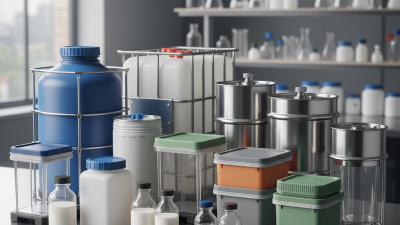
A variety of Chemical Storage Containers exist, made from different materials. Some are specialized for corrosive chemicals, while others focus on flammable substances. Each type serves a unique purpose. Knowledge of the specific requirements is critical. Without it, risks can escalate quickly.
Contamination or accidents can lead to severe consequences. Improper storage can compromise chemical integrity. Furthermore, it can pose serious health hazards. Therefore, it’s vital to invest time in selecting the best containers. This task might seem daunting, but it is not insurmountable. Awareness and education can guide smart choices in chemical storage. Evaluating options based on regulatory compliance and manufacturing quality is essential for safety.
Types of Chemical Storage Containers and Their Uses
When selecting chemical storage containers, it's essential to choose the right type based on your specific needs. Several containers are designed for various chemicals, including acids, bases, and solvents. Glass containers can provide excellent resistance against corrosive substances, but they are heavy. Plastic containers are lighter and can be used for many chemicals, but they may not be suitable for all substances. Consider secondary containment options as well, which help contain spills.
Chemical compatibility is crucial when choosing containers. Always check the manufacturer's guidelines for compatibility with the substances you plan to store. For instance, epoxy-lined drums are well-suited for storing certain corrosives. On the other hand, metal containers should be avoided for chemicals that react with metal. Labels are also essential; they should accurately indicate the contents. Clear labeling prevents accidental misuse and enhances safety.
Improper storage can lead to hazardous situations. Regular inspections are important to identify any signs of wear and tear. This helps maintain the integrity of the containers. Furthermore, damage from UV exposure can weaken certain plastics over time. It’s vital to remain vigilant about environmental factors that may affect the containers. Storing chemicals safely requires ongoing attention and adjustments based on your observations.
What are the Best Chemical Storage Containers for Safe Use?
| Container Type |
Material |
Capacity |
Best For |
Safety Features |
| Polyethylene Drums |
High-Density Polyethylene (HDPE) |
55 gallons |
Hazardous liquids |
UV protection, spill containment |
| Glass Bottles |
Borosilicate Glass |
1-5 liters |
Chemicals requiring visibility |
Chemical resistance, breakage protection |
| Metal Canisters |
Steel or Aluminum |
1-10 gallons |
Flammable liquids |
Flameproofing, grounding features |
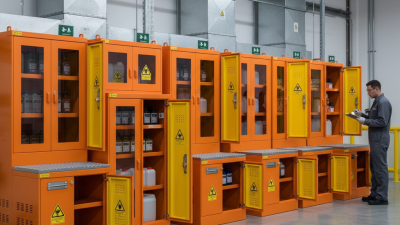
| Safety Cabinets |
Steel |
Varies |
Storing multiple chemicals |
Self-closing doors, ventilation |
| Acid Storage Containers |
Polyethylene or Polypropylene |
2-10 gallons |
Strong acids |
Corrosion resistance, secure closures |
Key Features to Look for in Safety Chemical Storage Containers
When selecting chemical storage containers, several key features ensure safety and reliability. Materials are crucial. Containers should be resistant to corrosion, especially when handling acids or bases. Polyethylene and fiberglass offer durability, while glass can provide excellent chemical resistance for specific substances. Check for compatibility to prevent dangerous reactions.
Secure lids are also vital. They should create a tight seal to avoid leaks and evaporation. A locking mechanism can add an extra layer of safety. Consider the container's visibility. Clear or labeled containers help in quickly identifying contents. This reduces the risk of mishandling and accidents.
Size matters too. Choose containers that suit your chemical volume needs. Avoid overfilling, which can lead to spills. Think about the environment where these containers will reside. Ensure they are stored in a cool, dry place, away from direct sunlight. Reflecting on these features can greatly enhance safety and prevent incidents.
Material Considerations for Chemical Storage Containers
When selecting chemical storage containers, material choice plays a crucial role. Different chemicals react uniquely with various substances. According to the American Chemical Society, around 40% of chemical spills occur due to improper container compatibility. Using materials like HDPE (high-density polyethylene) can mitigate these risks. HDPE is resistant to many acids and bases, making it a popular choice.
Another aspect to consider is whether the container offers UV resistance. For chemicals sensitive to light, opaque containers are essential. A report from the National Safety Council indicates that exposure to UV light can degrade certain chemicals, leading to hazardous conditions. Materials like stainless steel or specialized coated containers can provide enhanced protection.
It’s important to reflect on the limitations of common materials. For example, while glass containers are inert and ideal for many situations, they can break easily, posing safety risks. Likewise, some plastics may not withstand extreme temperatures or high pressures. Thorough testing and knowledge are essential when choosing the right chemical storage solution. Continuous improvements and updates in material sciences can help address these concerns.
Regulatory Standards for Chemical Storage Safety
Regulatory standards play a crucial role in the safe storage of chemicals. Understanding these regulations is essential for any facility handling hazardous materials. The Occupational Safety and Health Administration (OSHA) and the Environmental Protection Agency (EPA) outline specific requirements for chemical storage. These guidelines include proper labeling, secondary containment, and ventilation. Facilities must ensure that all chemicals are stored in appropriate containers to prevent leaks and spills.
Regular audits and inspections of storage areas are necessary to comply with these standards. Personnel should receive training on safe handling practices. This includes understanding Material Safety Data Sheets (MSDS) for each chemical. Less than perfect adherence to these regulations can lead to accidents. It’s vital to correct deficiencies in storage practices as soon as they are identified.
Considerations like temperature control and physical security are often overlooked. Inadequate temperature settings can affect chemical stability. Theft or unauthorized access is also a serious concern. In addressing these issues, facilities can create a safer environment. Regularly reassessing storage practices ensures compliance with changing regulations. It also minimizes the risk of exposure to hazardous substances.
Best Practices for Maintaining Chemical Storage Containers
Maintaining chemical storage containers is crucial for safety and compliance in any facility handling hazardous materials. Regular inspections are essential. According to the National Fire Protection Association (NFPA), improper storage practices can lead to serious incidents, including fires and chemical spills. Conducting routine checks helps identify deterioration, leaks, or corrosion. A recent study found that nearly 30% of facilities reported issues due to lack of maintenance.
Labeling is another key aspect. Clear and accurate labels prevent mix-ups and ensure that everyone understands the hazards involved. One report indicated that over 40% of chemical accidents occurred due to mislabeled containers. Keeping a detailed inventory of stored materials can also aid in proper handling and enhance employee training programs.
Training staff is vital for the safe use of chemical storage containers. Employees should understand the risks and proper storage techniques. An OSHA report highlighted that training could reduce incidents by as much as 50%. Evaluating the effectiveness of training is equally important. Facilities might overlook updates in safety protocols, leading to outdated practices. By fostering a culture of safety, organizations minimize risks and promote responsibility among staff.
Best Practices for Maintaining Chemical Storage Containers