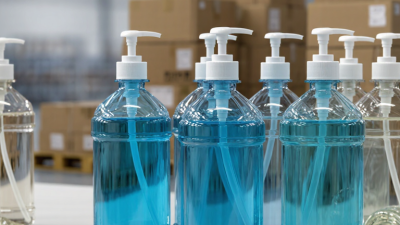
Hand Sanitizers can look like a small purchasing decision: a bottle beside a register, a wall dispenser near a doorway, or a refill canister in a supply room. Yet the right choice affects daily hygiene, staff comfort, and how reliably people use the product. The Centers for Disease Control and Prevention (CDC) recommends alcohol-based sanitizer containing at least 60% alcohol when soap and water are not readily available. The CDC also notes that sanitizer does not remove every type of germ or work well on visibly dirty or greasy hands. These details matter in busy workplaces.
Professional guidance offers a useful starting point. The World Health Organization’s Guidelines on Hand Hygiene in Health Care (2009) supports alcohol-based handrub for routine hand antisepsis in healthcare settings. That guidance is not a one-size-fits-all buying checklist for every business. Still, it highlights why product performance, dispenser placement, and consistent use belong in the same conversation. In an office, a compact pump may suit a shared kitchenette; in a warehouse, a sturdy dispenser near a high-traffic entrance may be more practical.
The lowest price can be tempting. It is not the whole story. Compare alcohol concentration, product labeling, container size, refill availability, drying time, and how the formula feels after repeated use. Consider the people using it: fragrance may bother some employees, while a hard-to-reach dispenser may simply go unused. Procurement teams can also review consumption and refill records to spot waste or empty stations. The numbers help, but they do not explain every missed use. A short workplace trial can reveal what a catalog cannot. This guide explores how to choose Hand Sanitizers that fit your business, your setting, and the people who rely on them.
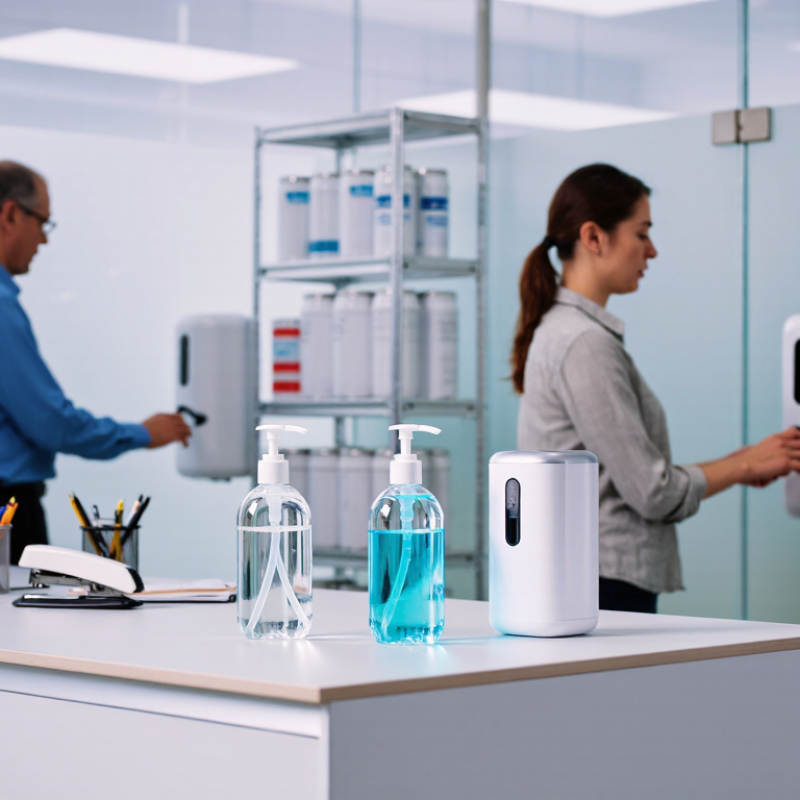
Assess hand hygiene by observing how people actually work. A busy reception desk, shared tablets, delivery counters, and staff changing tasks all create different needs. The CDC reports that handwashing can prevent about one in three diarrhea-related illnesses and one in five respiratory infections. These figures support strong hygiene routines; they do not mean sanitizer alone produces the same reductions. Look for gaps: Are sinks easy to reach? Do staff handle shared equipment? Are customers waiting near high-touch surfaces? Small details matter.
Then match sanitizer access to those gaps. The CDC recommends alcohol-based sanitizer with at least 60% alcohol when soap and water are unavailable. It is less effective on visibly dirty or greasy hands, so sinks still matter. Place dispensers where people pause naturally, such as entrances or checkout areas, rather than hiding them behind a counter. Count daily users, note peak periods, and check refill frequency for a week. A rough estimate is useful. It is not perfect. Revisit it after observing actual use, because an empty dispenser during a lunch rush reveals more than a tidy supply spreadsheet. Cite the CDC’s handwashing guidance in staff materials, and keep the distinction between washing and sanitizing clear.
For most workplaces, compare the active ingredient before choosing gel, foam, or liquid. These formats affect feel and dispensing; they do not tell you which germ-fighting ingredient is inside. The CDC recommends alcohol-based sanitizer with at least 60% alcohol when soap and water are unavailable. Its guidance says products containing 60–95% alcohol generally work better than lower-concentration or non-alcohol products. WHO’s Guidelines on Hand Hygiene in Health Care describe formulations with 80% ethanol or 75% isopropyl alcohol. Check the label, not just the dispenser color.
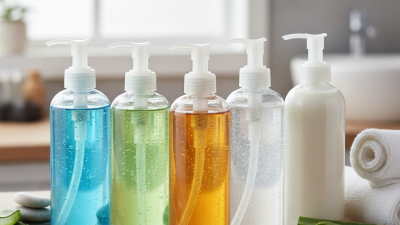
Ethanol and isopropyl alcohol are common active ingredients. Gel can stay on hands without dripping, while foam may spread quickly across palms; liquid can be easy to dispense but may run if users apply too much. Small details matter. For a busy reception desk, test whether one pump covers both hands and dries before staff return to keyboards. Non-alcohol products may use ingredients such as benzalkonium chloride. The CDC notes less evidence for these products and cautions they may not work as well against some germs. Texture matters, too. A sanitizer that leaves hands sticky may be ignored, even when its label looks convincing. That is worth checking in a real shift.
For a business, sanitizer selection should start with verifiable efficacy, not a bold front-label claim. Check the active ingredient and concentration; alcohol-based products should contain at least 60% alcohol for routine hand hygiene. Read the directions and use enough to wet every hand surface, including fingertips and thumbs, until dry. A pea-sized dab may feel convenient, but can leave gaps. When hands are visibly dirty or greasy, provide soap and running water instead. Place dispensers near entrances and shared counters, where people actually pause. Check the fine print.
Safety involves more than the label. Review the safety data sheet, storage instructions, and dispenser compatibility; keep bulk containers away from heat and ignition sources. In a small café or clinic, a leaky pump can turn a useful station into a sticky, slippery counter. Skin comfort matters too. Frequent use can dry or irritate hands, especially in cold weather or among staff with eczema. Compare fragrance-free options, check for known irritants, and invite a few employees to trial a product during normal shifts. That feedback is imperfect, but more useful than guessing. Provide suitable moisturizer and a clear way to report reactions. “Gentle” does not mean right for everyone; individual skin can disagree with the label.
How to Choose the Best Hand Sanitizers for Your Business?
Before comparing products, check the rules that apply where your business operates. Requirements can vary by location and product type. Review the label for active ingredients, directions, warnings, and any required product registration or documentation. Ask suppliers for current safety data sheets and written evidence supporting their claims. Don’t rely on a polished sales page alone. Details matter.
Packaging should suit the people and places using it. A wall-mounted dispenser may work near a busy entrance, while small bottles fit staff carts or reception desks. Check that pumps dispense a usable amount without dripping, and that containers stay secure during storage. Test a sample near the actual sink or doorway. A dispenser that looks tidy in a catalogue may be awkward with wet hands. We learned that the hard way—well, it is easy to overlook.
Supply matters after the first order, too. Ask about typical lead times, minimum order quantities, and how shortages are handled. Confirm that each shipment has clear batch identification and consistent labeling, so staff can check stock and report concerns. Keep a modest reserve, but avoid buying more than your storage area can safely hold. Compare delivered cost, not just unit price. A cheaper option is not useful if deliveries arrive late or packaging fails. Recheck the product and paperwork when specifications change; people sometimes forget.
| Business Need | Product and Active Ingredient | Regulatory and Efficacy Checks | Packaging to Consider | Supply and Quality Checks |
|---|---|---|---|---|
| Offices, reception areas, and shared workspaces | Alcohol-based gel or liquid. For the United States, check that the labeled active ingredient and concentration meet applicable requirements; CDC guidance recommends at least 60% alcohol. | Confirm the product is legally marketed for the intended use in each sales market. In the United States, hand sanitizers are regulated as over-the-counter drugs; check applicable FDA requirements and product labeling. | Choose pump bottles for desks and reception counters. Confirm that the dispenser delivers a usable dose and that the container is stable on the intended surface. | Request current product specifications, lot identification, expiration or shelf-life information, and safety data. Check that delivery schedules match expected usage. |
| High-traffic entrances, shops, and shared facilities | Alcohol-based liquid or gel selected for the dispenser and expected frequency of use. Check the labeled alcohol type and concentration rather than relying on marketing terms such as “antibacterial.” | Verify the product’s local regulatory status and label directions. Do not treat establishment registration or a supplier’s general compliance statement as proof of product approval or endorsement. | Wall-mounted dispensers can save counter space. Sealed cartridges may simplify replacement; verify cartridge compatibility, availability, and instructions for safe installation. | Ask about routine stock availability, lead times, minimum order quantities, and procedures for reporting damaged or leaking shipments. |
| Healthcare and care settings | Select a formulation appropriate to the facility’s infection-control policy and intended use. Alcohol concentration alone does not establish suitability for every clinical protocol. | Check local healthcare rules and the evidence required for the intended use. In Europe, EN 1500 concerns hygienic handrub testing and EN 12791 concerns surgical hand disinfection; confirm which evidence is relevant to the product and use case. | Consider dispensers that are easy to clean and refill or replace according to facility policy. Check placement, accessibility, and compatibility with the product instructions. | Request batch traceability and documented quality controls. Confirm a dependable replenishment plan and a process for handling product recalls or quality concerns. |
| Businesses comparing ethanol and isopropyl alcohol products | In the United States, applicable OTC monograph conditions specify ethanol at 60–95% v/v or isopropyl alcohol at 70–91.3% v/v. Check the exact label and applicable current requirements. | Requirements differ by country and can change. For example, products placed on the EU market as biocidal products must meet applicable Biocidal Products Regulation requirements, including authorization where required. | Match the package to the formulation and dispenser. Review container material compatibility, closure security, storage instructions, and any flammability warnings. | Compare delivered cost per usable volume, not just unit price. Confirm that the supplier can provide consistent specifications and the same product format over time. |
| Organizations ordering larger quantities or refill formats | Choose a product with clearly stated active ingredients, concentration, directions, warnings, and intended use. Check that refill products are approved or permitted for the applicable market. | Follow the product label and local rules for storage, transfer, and use. Do not mix products or transfer them into unlabeled containers. | Bulk containers can reduce packaging per volume, but require a safe, compatible refill process. Keep original labels available and use only containers and dispensers permitted by the product instructions. | Request written lead times, batch and expiration details, storage conditions, and a plan for supply interruptions. Review whether the supplier can support forecasted demand. |
Note: Regulatory requirements vary by country and product category. Verify current rules with the relevant authority and review the product label before purchasing or using a sanitizer.
Choosing a sanitizer is only half the task; employees need to find and use it easily. The CDC recommends alcohol-based hand sanitizer containing at least 60% alcohol when soap and water are unavailable. Keep it near entrances, shared equipment, break areas, and reception desks. Convenient placement matters. Choose a product that fits existing dispensers, dries quickly, and suits the workplace’s skin-sensitivity needs. Check the label and follow its use and storage instructions.
The World Health Organization’s 2022 Global Report on Infection Prevention and Control estimates that 7% of patients in high-income countries and 15% in low- and middle-income countries acquire at least one healthcare-associated infection during hospital care. These figures describe healthcare settings, not ordinary offices, but they underline why reliable hand hygiene deserves attention. Sanitizer supports hygiene; it does not replace handwashing when hands are visibly dirty.
Plan who checks dispenser levels and how often. A simple weekly walk-through can catch empty units before busy shifts begin. Set a refill process, identify a backup supply, and show staff how much product to apply and when to let it dry. Ask workers whether dispensers are accessible and whether the product causes irritation. That feedback may expose a weak choice. Usage counts can help forecast demand, though they do not prove that people used sanitizer correctly.
Workplace takeaway: Choose an alcohol-based hand sanitizer containing at least 60% alcohol. WHO-recommended formulations contain 80% ethanol or 75% isopropyl alcohol. Place dispensers where staff can access them easily and include regular refills in your workplace plan.
Sources: CDC hand sanitizer guidance; WHO Guide to Local Production: WHO-recommended Handrub Formulations. Concentrations shown as alcohol by volume.
This website uses cookies. By continuing to browse this site you are agreeing to our use of cookies. Please review our Privacy Policy for more information.