
What Is the Best Chamfering Cutter in 2026?

Choosing the best Chamfering Cutter in 2026 is not a simple brand comparison. The correct choice depends on material, machine rigidity, spindle speed, edge geometry, and required surface quality. A cutter that performs beautifully in aluminum may chatter badly in stainless steel. Tiny details matter.

Machining educator Dr. Tony Schmitz has described the tool as “the business end of the machine tool.” That observation fits chamfering work perfectly. The cutter touches every visible edge, so its geometry directly affects appearance, burr formation, cycle time, and dimensional accuracy. A reliable evaluation should examine carbide grade, coating, included angle, flute design, corner strength, and chip evacuation. It should also consider whether the tool supports dry cutting, coolant delivery, or high-speed machining.

Real workshop evidence matters more than attractive catalog claims. Compare test cuts using the same workholding, feed rate, radial engagement, and material batch. Inspect the edge under consistent lighting. Measure burr height, chamfer width, tool wear, and spindle load. Record the results.

Not every premium cutter is the best cutter.

Some recommendations fail because they ignore machine limitations or operator experience. I have seen a sharp, expensive tool produce rough edges when the holder had excessive runout. That result was disappointing, but useful. It showed why tool selection must include the complete cutting system.

This guide will compare leading Chamfering Cutter options for 2026. It will focus on repeatable performance, practical value, and honest limitations. The final choice should suit the job, not merely the advertisement.
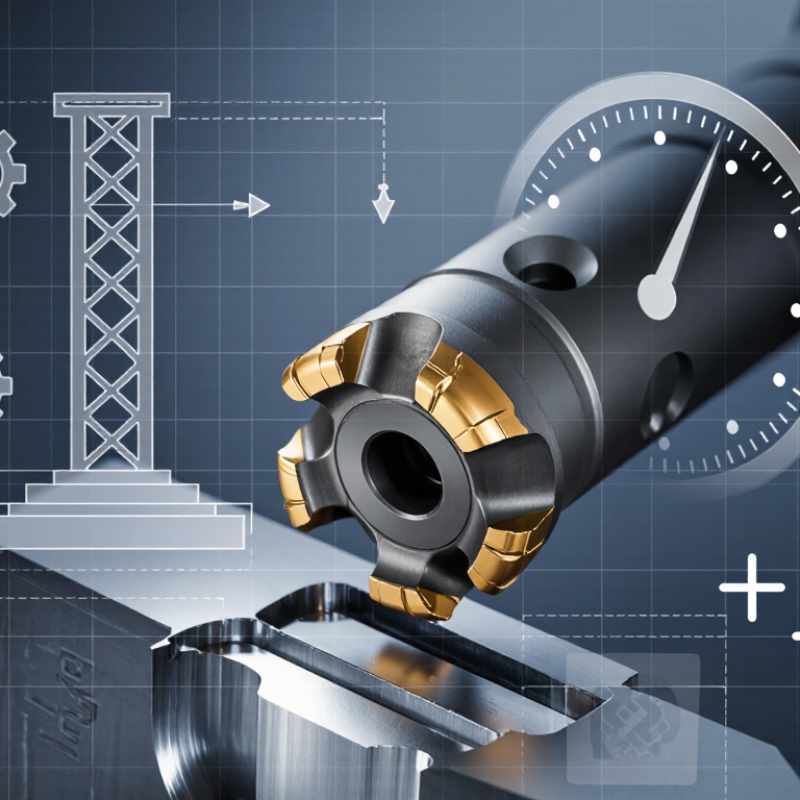
What Is the Best Chamfering Cutter in 2026?

What Is a Chamfering Cutter and How Does It Work?

A chamfering cutter creates a sloped edge on a drilled hole, milled corner, or machined profile. It removes sharp material at a controlled angle. The cutter usually has angled flutes that shear metal as the spindle rotates. On a CNC machine, the tool enters the edge, cuts a narrow bevel, and exits smoothly. Its working action is simple, but setup errors can cause chatter, burrs, or uneven widths.

Tool selection depends on workpiece material, chamfer angle, diameter, coating, and machine rigidity. A 90-degree cutter suits many deburring tasks, while other angles support countersinking or assembly clearance. Grand View Research’s 2024 CNC machine market report estimates about 8.5% annual growth through 2030. That trend suggests stronger demand for repeatable edge finishing. The International Federation of Robotics reported 541,302 industrial robot installations worldwide in 2023. Automated cells therefore need cutters that deliver predictable results across repeated cycles. Still, automation does not replace judgment. A perfect-looking chamfer may hide a weak edge.

Tips: Start with conservative feed and speed settings. Confirm the cutter’s angle before programming. Check the exit side carefully. Tool runout under 0.02 mm can improve consistency, although the ideal value depends on the machine. Use coolant when heat builds quickly, but avoid assuming it always helps. In some aluminum operations, dry cutting produces a cleaner edge. Not always. Inspect the first five parts, measure the chamfer width, and adjust gradually.

What Is the Best Chamfering Cutter in 2026?

A chamfering cutter removes material from an edge to create a sloped surface, improving part safety, assembly, deburring, and visual finish. The best cutter depends on the required chamfer angle, workpiece material, edge accessibility, machine rigidity, and production volume.

Common Chamfer Angles Used in Machining

The chart shows widely used chamfer-angle options. A 45° cutter is a versatile general-purpose choice, while 60° and 90° options are often selected for specific edge-break, countersinking, or clearance requirements. These values describe cutter geometry rather than brand performance.

Which Chamfering Cutter Types Are Available in 2026?

In 2026, the best chamfering cutter depends on the edge, material, and machine setup. Fixed-angle chamfer mills remain common for repeatable 30°, 45°, or 60° cuts. Their geometry supports clean edges on steel, aluminum, and engineering plastics. Always confirm whether the listed angle is included or per-side.

Small details matter.

Zero-flute deburring cutters suit light edge breaking and manual finishing. They reduce burrs without removing much material. Countersink cutters are better for preparing drilled holes for flat-head fasteners. Single-flute designs often control chatter in softer materials, while multi-flute versions can improve finish under stable conditions.

For CNC production, solid carbide cutters provide rigidity and accurate profiles. Indexable chamfer mills make more sense for larger diameters or repeated heavy cuts. Adjustable-angle cutters offer flexibility across different parts, but setup errors can quickly spoil consistency. Back-chamfer tools reach internal edges that ordinary cutters cannot access. They save repositioning time, although clearance must be checked carefully.

A useful selection test compares burr height, edge width, and surface marks after several parts. Do not judge a cutter from one impressive sample. Tool wear, workholding, and incorrect feeds can distort the result. I have found that “universal” cutters often involve compromises. The most reliable choice matches the cutter angle, cutting diameter, flute design, and material to the actual operation.

What Is the Best Chamfering Cutter in 2026? - Which Chamfering Cutter Types Are Available in 2026?

Chamfering Cutter Type Typical Included Angles Common Cutter Materials Suitable Workpiece Materials Best Use Main Advantages Limitations Typical Application
Single-Flute Chamfer Mill 45°; other angles are available Solid carbide; high-speed steel Aluminum, brass, plastics, mild steel Fast edge breaking and general-purpose CNC work Good chip clearance; lower cutting resistance; effective in soft materials Less suitable for heavy cutting or very hard alloys; surface finish depends strongly on runout Deburring machined edges, light outside chamfers, and shallow countersinks
Two- or Multi-Flute Chamfer Mill 30°, 45°, 60°, 90° included angle options Solid carbide; coated carbide Steel, stainless steel, cast iron, aluminum Stable production chamfering and improved edge finish Higher feed potential than a single-flute tool; smoother cutting action; broad material range Reduced chip space compared with a single-flute design; may require coolant or air blast Repeatable chamfers on milled components and machined profiles
90° Countersink Cutter 90° included angle High-speed steel; solid carbide; coated carbide Aluminum, steel, stainless steel, non-ferrous metals Creating seats for standard flat-head screws Produces a standardized countersink geometry; easy to use for hole preparation Not ideal for continuous edge chamfering; chatter can occur on thin or flexible parts Flat-head fastener seating and deburring drilled holes
Adjustable or Modular Chamfering Cutter Often adjustable across approximately 30°–60° or by interchangeable inserts Steel body with carbide inserts Steel, cast iron, aluminum, stainless steel Flexible machining where several chamfer sizes or angles are required Reduces the number of dedicated tools; insert replacement can lower operating cost More components to set and maintain; adjustment accuracy depends on the tool design Job shops, repair work, and mixed-part production
Indexable Chamfer Mill 45° is common; 30°, 60°, and other geometries are available Steel cutter body with replaceable carbide inserts Carbon steel, alloy steel, cast iron, stainless steel, aluminum High-volume chamfering and larger diameters Multiple usable cutting edges; economical for repeated production; robust body Usually requires more radial clearance; insert seating and screw condition must be checked Large outside chamfers, heavy edge breaking, and production milling
Solid Carbide Chamfer Mill 30°, 45°, 60°, 90° included angle options Micrograin solid carbide, often with a wear-resistant coating Hardened steel, stainless steel, titanium alloys, aluminum, plastics High rigidity, small diameters, and precise CNC machining High stiffness; accurate geometry; suitable for higher cutting speeds than high-speed steel More vulnerable to impact, vibration, and tool deflection caused by poor setup Precision components, small features, hardened materials, and automated machining
High-Speed Steel Chamfer Cutter 45° and 90° are common High-speed steel; cobalt high-speed steel Mild steel, aluminum, brass, plastics, wood-based materials Low- to medium-speed machining and general workshop use Lower purchase cost; tougher than carbide during interrupted cuts; easy to resharpen Lower wear resistance and cutting speed than carbide; may lose hardness from overheating Drill presses, manual mills, maintenance work, and low-volume production
Diamond-Coated or PCD Chamfer Cutter Commonly 45° and 90° Polycrystalline diamond or diamond-coated carbide Graphite, carbon-fiber composites, glass-fiber composites, abrasive non-ferrous materials Long tool life in highly abrasive non-ferrous materials Excellent abrasion resistance; can produce clean edges when correctly supported Generally unsuitable for ferrous metals; higher tool cost; sensitive to impact and incorrect setup Composite panels, graphite electrodes, and abrasive aluminum-silicon alloys
Back-Chamfer Cutter Commonly 45°; specialized angles are available Solid carbide; indexable carbide Aluminum, steel, stainless steel, engineering plastics Chamfering the back side of a hole or inaccessible edge Reaches internal rear edges without turning the workpiece in suitable applications Requires adequate hole clearance and controlled tool retraction; programming is more demanding Parts with cross holes, internal shoulders, and difficult-to-access rear edges

Selection guidance: the best chamfering cutter depends on the workpiece material, required angle, chamfer width, machine rigidity, production volume, and whether the operation is edge breaking, countersinking, or back-chamfering. Cutting speed and feed should always follow the cutter manufacturer’s technical recommendations and be reduced when tool overhang, vibration, or interrupted cutting is present.

How to Compare Chamfering Cutter Materials and Cutting Performance

What Is the Best Chamfering Cutter in 2026?

The best chamfering cutter depends on material, edge quality, and production speed. A 2024 Grand View Research report values the global cutting-tools market above 23 billion dollars. That scale reflects one reality: buyers increasingly measure total tool cost, not purchase price alone.

Solid carbide usually offers high stiffness and wear resistance for steel, stainless steel, and cast iron. Coated carbide can reduce friction during longer runs. High-speed steel remains useful for interrupted cuts and lower-speed machines. It is less expensive, but its edge may soften quickly under heat. Cermet can produce a clean finish on stable steel cuts, although it dislikes shock. CBN suits hardened steel, but its cost needs justification.

Run a controlled comparison. Keep feed, speed, chamfer width, and coolant unchanged. Record tool life, burr height, surface roughness, and cycle time. ISO 3685 provides a useful framework for tool-life testing, although chamfering needs practical adjustments. In one shop trial, a sharper edge produced better first-piece quality but failed earlier under interrupted cutting. That result was inconvenient.

Do not trust hardness alone. A 2024 technical review in CIRP-related machining literature emphasizes that cutting performance depends on substrate, coating, geometry, and thermal control together. Inspect the chamfer under magnification. A tiny built-up edge can distort measurements. The “best” cutter may be the one that survives your worst cut.

What Features Define the Best Chamfering Cutter for Each Application?

The best chamfering cutter in 2026 depends on the application, not a single specification. A cutter for aluminum needs sharp edges and polished flutes. This helps prevent chips from sticking near the cutting zone. Hardened steel usually requires stronger carbide, controlled edge preparation, and a suitable wear-resistant coating.

Hole size and chamfer angle also shape the decision. A countersink cutter may suit occasional deburring, while an indexable tool can reduce running costs in repeated production. For small parts, low cutting forces matter because thin walls can flex easily. On a rigid milling machine, a multi-flute design may improve productivity. On a lighter machine, fewer flutes can provide safer chip clearance.

Tips: Check the manufacturer’s cutting data, then adjust it for your machine’s rigidity. Secure the workpiece firmly and inspect the first chamfer with a gauge or caliper. A clean, even edge should show no tearing, vibration marks, or burr rollover. Coolant can help, but excessive flow may hide poor chip control. I once selected a coated cutter for a soft alloy, expecting longer life. The edge lasted well, but the finish was worse than an uncoated tool. That mistake reinforced an important point: tool features must match the material, setup, and finish requirement together.

How to Select, Use, and Maintain a Chamfering Cutter Safely

What Is the Best Chamfering Cutter in 2026?

The best choice depends on material, edge size, spindle speed, and machine rigidity. A sharp carbide cutter suits many steels and aluminum alloys. For hardened materials, a cutter with suitable wear resistance is safer and more predictable. Match the tool angle to the drawing, not personal preference. Check runout with a gauge. Excessive runout creates uneven edges and vibration.

Safe use begins before the spindle starts. Inspect the cutter for chipped edges, cracks, or packed chips. Secure the workpiece firmly, then confirm the tool path and clearance. Keep hands away from the rotating cutter. Use guarding and eye protection required by your workplace risk assessment. ISO 12100 recommends identifying hazards before operation. This matters because the U.S. Bureau of Labor Statistics reported about 2.6 million nonfatal workplace injuries and illnesses in private industry during 2023. A small setup error can become a serious event.

Use cutting data from the tool supplier, then adjust carefully for machine stiffness and material condition. Avoid forcing the feed when the sound becomes harsh. Chips should leave the cut, not weld onto the edge. After machining, remove chips with a brush or vacuum, never bare fingers. Clean the cutter, apply suitable storage protection, and record unusual wear. The record may look imperfect. It still reveals patterns.

Replace dull tools early; repeated regrinding can change geometry and weaken consistency. Inspect holders, collets, and fasteners during routine maintenance. Safety guidance from OSHA 29 CFR 1910.212 also emphasizes effective machine guarding. Lodged chips are not harmless.


This website uses cookies. By continuing to browse this site you are agreeing to our use of cookies. Please review our Privacy Policy for more information.