2026 Top Trends in Chemical Storage Cabinets for Safe Workplace Solutions?
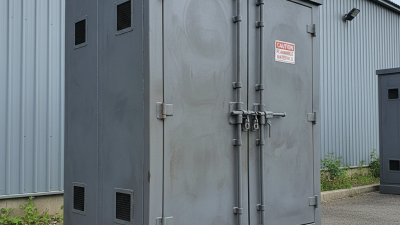
In today’s fast-paced industry, safety remains paramount. A Chemical Storage Cabinet plays a crucial role in creating a secure workspace. Workers often handle hazardous materials. Proper storage can prevent accidents and reduce risks. These cabinets are not just storage solutions; they are essential for compliance and health.
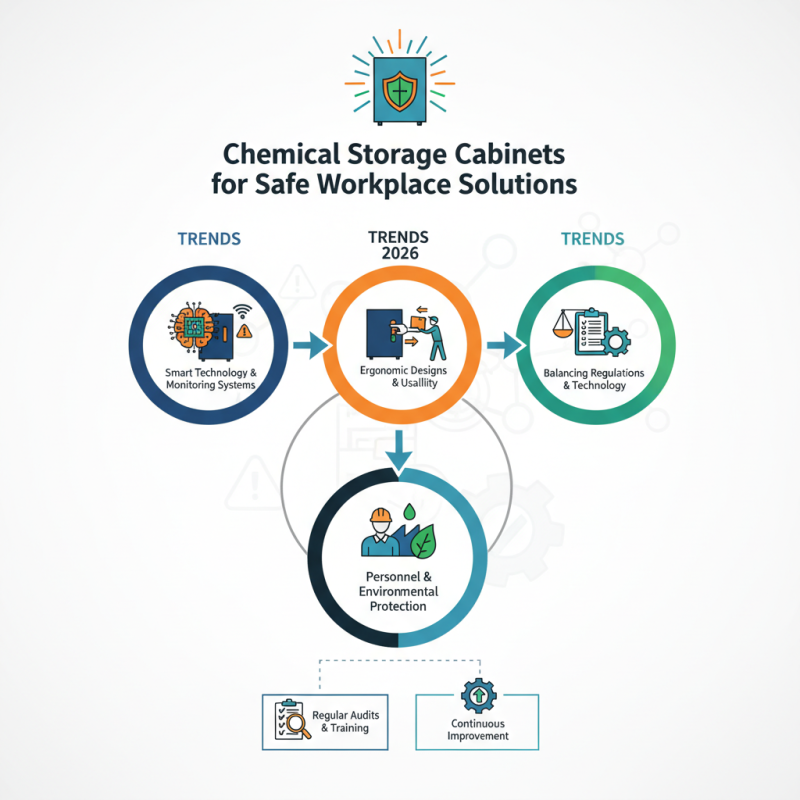
As we look ahead to 2026, trends in chemical storage are evolving. Innovations focus on enhancing safety features. Smart technology is emerging. Monitoring systems can alert users to potential hazards. Ergonomic designs are becoming a priority. These updates aim to improve usability and efficiency. However, balancing regulations and technology is challenging.
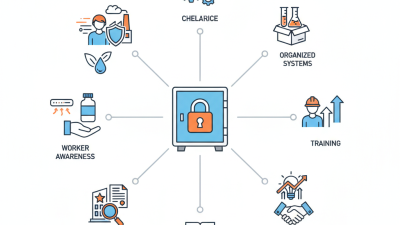
The significance of a Chemical Storage Cabinet cannot be overstated. It protects both personnel and the environment. Yet, organizations often overlook the basics. Regular audits and training are necessary for optimal safety. Continuous improvement in storage practices is essential. The conversation around chemical safety must persist.
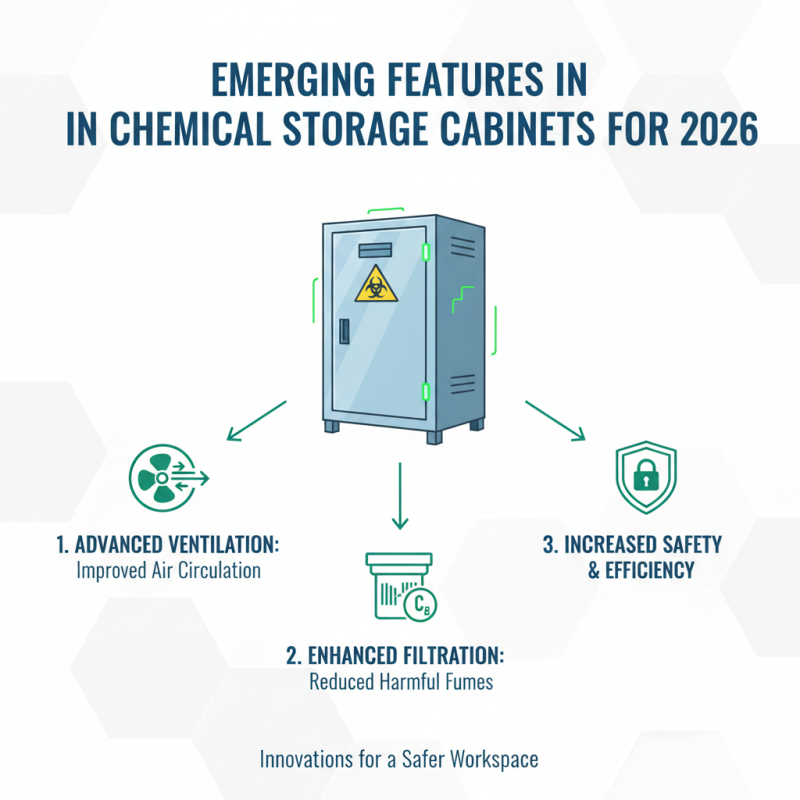
Emerging Features in Chemical Storage Cabinets for 2026
In 2026, chemical storage cabinets are poised to evolve significantly. New features focus on improving safety and efficiency. Advanced ventilation systems will be a strong trend. These systems provide better air circulation. Enhanced filtration will help reduce harmful fumes. This is critical in maintaining a safe workspace.
Smart technology integration will become more prevalent. Sensors can monitor chemical levels and detect leaks. Alerts will notify personnel instantly, preventing accidents. Cabinets will also feature automated locking mechanisms. These measures ensure that only authorized personnel have access.
Another important aspect is sustainability. More cabinets will be constructed using eco-friendly materials. This shift reflects a broader commitment to environmental responsibility. However, not all manufacturers are adopting these practices. There is still a need for accountability in the industry. Organizations should prioritize transparency in sourcing materials. This can enhance trust and safety in chemical handling.
Regulatory Compliance Trends Impacting Chemical Storage Solutions
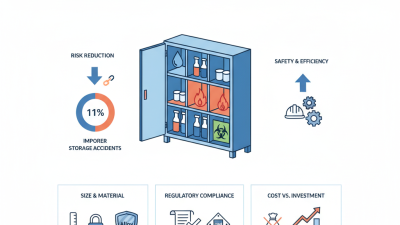
In recent years, regulatory compliance has become a central focus for many industries, particularly concerning chemical storage. Reports show that approximately 70% of workplace accidents stem from improper handling and storage of hazardous materials. This alarming statistic underscores the need for stringent adherence to regulations. For example, OSHA and EPA guidelines demand specific safety measures in chemical storage, which include adequate labeling, proper ventilation, and spill containment systems.
The shifting landscape of regulatory compliance also emphasizes sustainable practices. A study by the National Institute for Occupational Safety and Health (NIOSH) reveals that safe storage practices can reduce chemical exposure by up to 40%. Many companies now prioritize investing in cabinets designed to meet these regulatory standards, thus reinforcing workplace safety while minimizing environmental impact. Yet, there is still a gap. Many organizations fail to conduct regular audits, leading to overlooked compliance issues.
Monitoring compliance is not just about avoiding fines; it's about fostering a culture of safety. In 2026, expect to see innovations in storage that focus on intuitive designs and easier maintenance. Companies are realizing that integrating technology for compliance checks can enhance overall safety measures. However, progress will still be uneven across different sectors. Continuous education and training are necessary, as many staff members often lack awareness of the latest regulations and best practices in chemical storage.
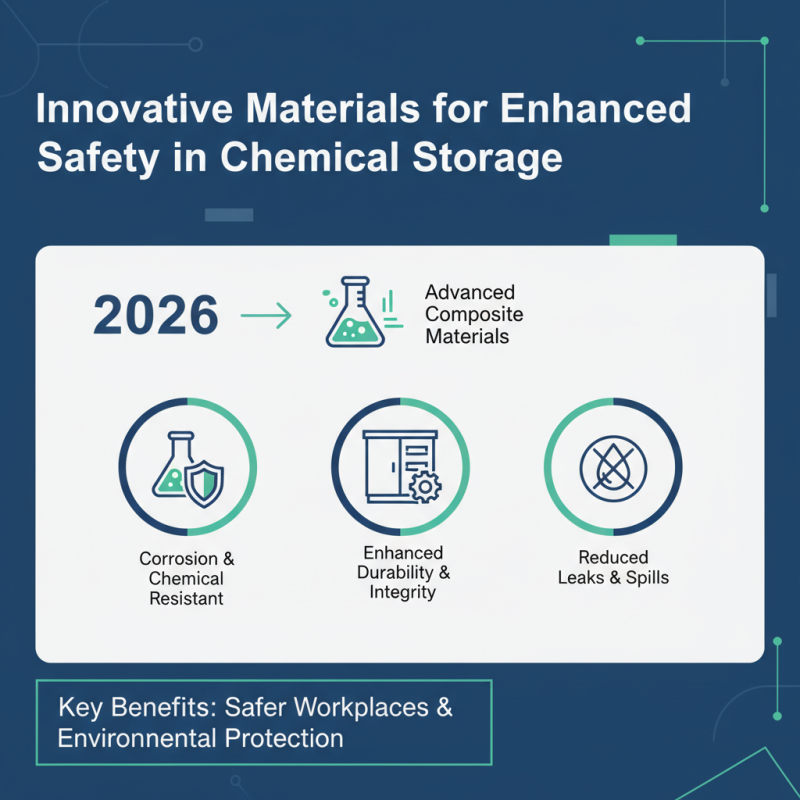
Innovative Materials for Enhanced Safety in Chemical Storage
Innovative materials play a crucial role in enhancing safety in chemical storage. In 2026, we see advancements in composites that resist corrosion and chemical interactions. These materials can withstand harsher environments, maintaining the integrity of storage cabinets. Enhanced durability reduces leaks and spills, which are significant hazards in workplaces.
Of note is the development of smart sensors integrated into storage units. These sensors monitor temperature and humidity levels, alerting staff to conditions that could lead to chemical degradation. Their real-time feedback fosters a proactive safety culture. Yet, the reliance on technology also raises concerns. Staff must be trained to respond effectively to alerts. The challenge lies in ensuring everyone understands the importance of these warnings.
Paints and coatings have also improved. Non-toxic, reflective surfaces reduce the chances of overheating and chemical reactions. However, while these innovations are promising, they require constant evaluation. Regular inspections are essential to ensure materials remain effective. In this evolving landscape, safety solutions must adapt and reflect current best practices.
Smart Technology Integration in Chemical Cabinets for Monitoring
The integration of smart technology in chemical storage cabinets is rapidly transforming workplace safety. In modern laboratories and industrial settings, these cabinets now feature advanced monitoring systems. They track chemical temperatures and humidity levels in real-time. This technology provides alerts for any deviations from safe parameters. Immediate notifications can prevent accidents and ensure a safer environment for workers.
Many facilities are still lagging behind in adopting these technological innovations. While some understand the importance of monitoring, they often hesitate to invest. There is a belief that traditional cabinets are sufficient. This can lead to missed opportunities in enhancing safety protocols. Smart cabinets also offer detailed reporting tools. These can help in audits and compliance checks. Using data-driven insights, businesses can identify patterns in chemical usage and storage.
However, implementing smart cabinets requires training and adjustment. Employees need to familiarize themselves with new systems. Some might find the technology overwhelming at first. It’s essential to promote a culture of safety and continuous improvement. Regular training can bridge the gap between traditional practices and modern solutions. Emphasizing the long-term benefits of safe practices is key to overcoming resistance.
Ergonomic Design and User-Centric Approaches in Storage Solutions
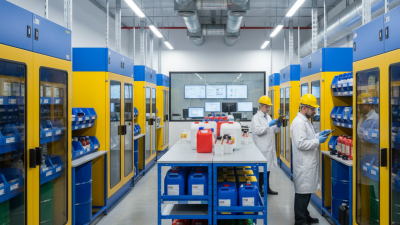
In today's workplace, safety and efficiency are paramount. Ergonomic design plays a crucial role in chemical storage cabinets. A user-centric approach considers not only the storage needs but also the interaction between the cabinet and the user. Properly designed cabinets reduce strain, enhance accessibility, and promote a safer work environment.
Think about the layout. Storage cabinets should be within easy reach. Tools and chemicals need to be organized logically. Users struggle with cabinets that are too high or too low. Frequent bending or stretching can lead to injuries. Adjustable shelving can cater to various user heights, making access easier.
Ventilation features are another critical aspect. Poor air circulation can lead to hazardous conditions. Cabinets should encourage airflow while securely storing materials. Safe storage practices save time and money in the long run. Reflecting on design choices can lead to improvements. There’s always room for innovation in ergonomic solutions.
2026 Top Trends in Chemical Storage Cabinets for Safe Workplace Solutions