Top 10 Rail Maintenance Tools Every Buyer Should Know?
Rail maintenance is essential for ensuring the safety and efficiency of our transportation networks. Every railway system relies heavily on high-quality Rail Maintenance Tools. These tools are the backbone of upkeep, repair, and enhancement of tracks and infrastructure. Choosing the right tools can make a significant impact on maintenance operations.
In today’s fast-paced world, having the right equipment is more crucial than ever. Using subpar tools can lead to accidents and costly repairs. Yet, many buyers may overlook the importance of quality and reliability. It’s vital to understand which tools are available and how they can be applied to real-world scenarios.
This guide highlights the top 10 Rail Maintenance Tools every buyer should be familiar with. These tools are not just a list; they represent various needs in the field. Reflecting on their importance can shed light on proper maintenance practices, potentially saving time and enhancing safety. Let's explore these tools, enabling informed decisions for better operations.
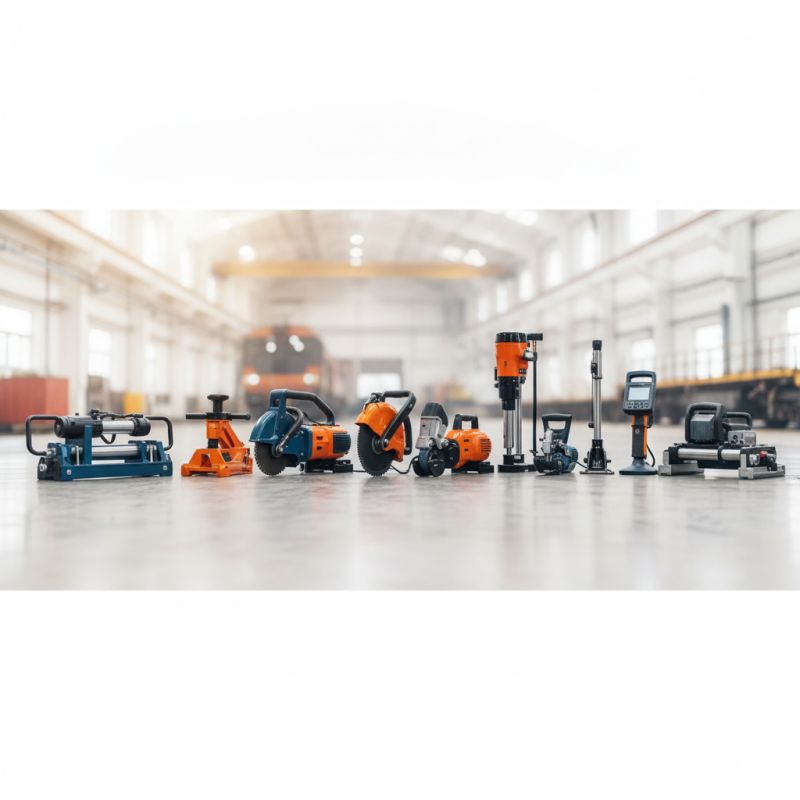
Top 10 Essential Rail Maintenance Tools for Optimal Performance
Rail maintenance is crucial for ensuring safety and efficiency. With many tools available, choosing the right ones can be challenging. Understanding the essential tools for optimal performance can help streamline operations.
One of the must-have tools is a track measuring device. It allows technicians to assess gauge and alignment issues. This promotes timely corrections, preventing larger problems. Another important tool is a rail grinder. It improves rail surface conditions, reducing wear and tear. Regular grinding enhances the lifespan of tracks.
A rail bolt torque wrench is also essential. Properly tightened bolts maintain track integrity. Regular inspections ensure that bolts are not over or under tightened. A few other valuable tools include track inspection vehicles and ballast regulators. These tools enhance efficiency and safety. However, not all tools may suit every maintenance strategy. Regular evaluation of tools and methods is necessary. This approach encourages continuous improvement and adaptation in rail maintenance practices.
Top 10 Essential Rail Maintenance Tools for Optimal Performance
| Tool Name | Description | Uses | Maintenance Frequency |
| Rail Grinder | A machine used to restore the profile of the rail and to remove imperfections. | Surface finishing and defect removal. | Every 2-3 weeks |
| Track Inspection Vehicle | A specialized vehicle used for inspecting rail tracks. | Automated track evaluation. | Monthly |
| Rail Saw | A cutting tool used for cutting rail sections. | Rail replacement or repair. | As needed |
| Rail Welding Equipment | Devices used to fuse rail sections together. | Joining rail tracks. | As needed |
| Ballast Regulator | A machine used to level and distribute track ballast. | Ballast management. | Seasonally |
| Rail Tamping Machine | Used for compacting ballast under the track to support the rail. | Track stability improvement. | Annually |
| Switch Alignment Tool | Used to ensure proper alignment of track switches. | Switch functionality verification. | Monthly |
| Ultrasonic Testing Equipment | Used for detecting internal flaws in the rail. | Safety inspections. | Quarterly |
| Portable Track Tools | Lightweight tools for on-site adjustments and repairs. | General maintenance. | As needed |
Understanding the Impact of Regular Rail Maintenance on Safety and Efficiency
Regular rail maintenance plays a crucial role in ensuring the safety and efficiency of rail networks. According to the Federal Railroad Administration, more than 20,000 train accidents occur annually in the U.S. alone, with a significant portion linked to track issues. Implementing a consistent maintenance schedule can reduce these incidents. Studies show that rail systems that prioritize regular inspection and upkeep experience fewer derailments.
Proper rail maintenance also boosts operational efficiency. The American Railway Engineering and Maintenance-of-Way Association states that well-maintained tracks can improve train speeds by 20%. Efficient rail operations reduce fuel consumption and decrease greenhouse gas emissions. These maintenance practices not only protect the environment but also enhance overall service reliability for passengers and freight transport.
However, there’s always room for improvement in rail maintenance strategies. Data indicates that 30% of rail operators reported inadequate funding for maintenance efforts. This often leads to deferred inspections and repairs, risking both safety and efficiency. Establishing a robust maintenance framework is essential. Investing in advanced monitoring tools can help identify potential issues before they escalate into costly problems.
Key Features to Look for in High-Quality Rail Maintenance Tools
When selecting high-quality rail maintenance tools, consider essential features that enhance efficiency and safety. Durability is a must. Tools should withstand harsh environmental conditions. Non-corrosive materials are preferable. Handling comfort is another key factor. Ergonomic designs help reduce user fatigue during long work hours.
For effective maintenance, precision is crucial. Look for tools that offer accurate measurements and adjustments. Features like easy-to-read markings can significantly improve usability. Weight also matters. Lighter tools can be easier to handle, but they shouldn't sacrifice strength or stability.
Tips: Always inspect tools regularly for wear and tear. A worn-out tool can lead to accidents. Consider investing in multifunctional tools. They save space and reduce the need for multiple items. Proper storage is essential as well. Keep tools organized to ensure safety and efficiency during maintenance tasks.
Cost-Benefit Analysis of Investing in Advanced Rail Maintenance Equipment
Investing in advanced rail maintenance equipment can deliver significant returns over time. Effective tools reduce downtime and enhance the safety of rail operations. With more efficient equipment, maintenance costs can decrease, ultimately leading to savings. However, the initial investment can be substantial, requiring careful analysis.
A cost-benefit analysis should weigh both short-term and long-term impacts. High-quality tools can improve productivity, making workers more efficient. Yet, budgets can be tight. Decision-makers must consider the durability of equipment versus its cost. Cheaper tools may lead to frequent replacements. This choice can hamper performance and lead to higher overall expenses.
Emphasizing long-term safety and efficiency is crucial. Regular maintenance can prevent costly accidents. It also ensures compliance with safety regulations. Balancing upfront costs with the potential for reduced operational risks and improved service quality can be challenging. Assessing this balance is vital for making informed purchasing decisions in rail maintenance.
Industry Standards and Regulations Governing Rail Maintenance Practices
Rail maintenance practices are governed by strict industry standards and regulations. Infrastructure safety is paramount. These standards ensure that tracks are reliably maintained and meet operational requirements. Inspections are conducted regularly. Workers must be trained in the latest techniques and tools.
Regulations also dictate the types of equipment that can be used. For instance, rail grinding tools must adhere to specific guidelines. Their purpose is to enhance track longevity. Additionally, environmental concerns play a critical role. Tools must not only be efficient but also minimize ecological impact.
The challenge lies in balancing technology with compliance. New tools emerge, yet they must still fit within established regulations. This often leads to debates over best practices. Many professionals find it difficult to keep up with changing standards. Continuous education and adaptation are essential in this evolving field.