How to Safely Use Lithium Batteries in Everyday Devices?

Lithium batteries power a vast array of everyday devices, from smartphones to electric cars. According to a report by the International Energy Agency, global lithium-ion battery production is expected to reach 1.5 terawatt-hours by 2030. This surge in usage highlights the importance of safely handling these power sources. Despite their efficiency, lithium batteries can be hazardous if not managed properly.

Accidents linked to lithium batteries are rising. The U.S. Consumer Product Safety Commission reported over 400 incidents in the last year alone, raising concerns about their safety. Poor charging practices and disregard for manufacturer guidelines can lead to overheating or even fires. Awareness and education about safe usage are crucial.

Buyers must remain vigilant. Proper storage and disposal methods can mitigate risks. Regular inspections of devices that use lithium batteries can prevent failures. Adopting these safety measures allows users to enjoy the benefits of lithium batteries while minimizing potential hazards. Even small, overlooked details can lead to significant issues. A proactive approach is essential for safer usage in our increasingly battery-reliant world.

How to Safely Use Lithium Batteries in Everyday Devices?

Understanding Lithium Batteries and Their Applications
How to Safely Use Lithium Batteries in Everyday Devices?

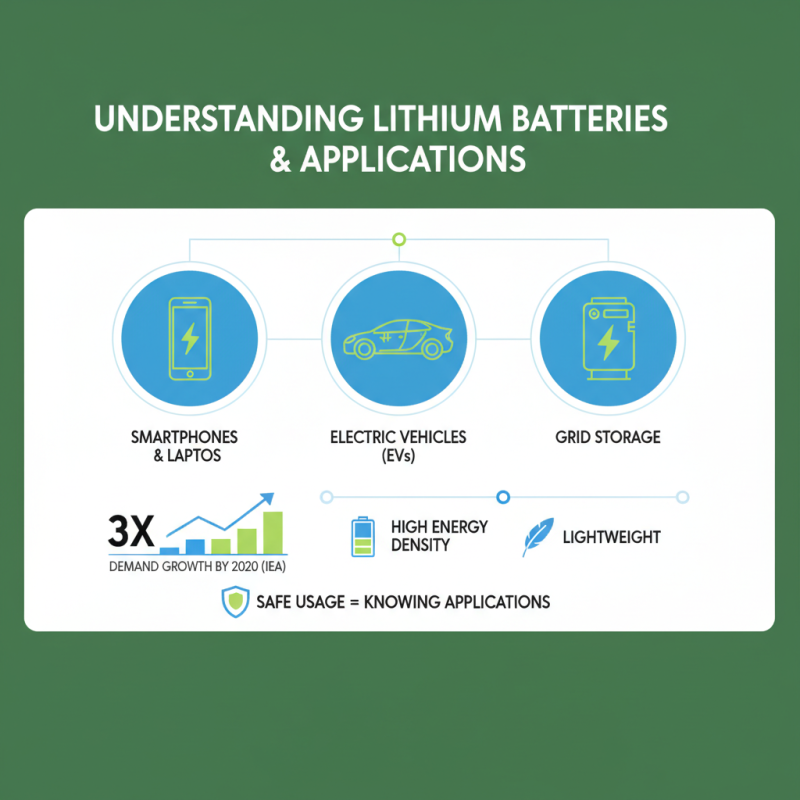
Lithium batteries are pivotal in powering our everyday devices. They are found in smartphones, laptops, and even electric vehicles. The International Energy Agency reported that lithium-ion battery demand could grow threefold by 2030. This is due to their high energy density and light weight. Nevertheless, understanding their applications is key to safe usage.

Lithium batteries perform optimally when kept within specific temperature ranges. Excessive heat can lead to thermal runaway, increasing the risk of fire. According to a report from the Battery Safety Research Institute, misuse accounts for nearly 40% of battery-related incidents. Proper charging practices also matter significantly. Using the correct charger is vital to prevent overcharging, which can degrade battery performance.

While lithium batteries are efficient, they pose environmental questions. Many consumers overlook disposal methods. In the U.S., over 180,000 tons of lithium-ion batteries enter landfills each year, creating potential hazards. Recycling programs are not universally available, leaving many people unsure of how to dispose of old batteries. This gap in knowledge can be troubling. It highlights a critical area for improvement in public awareness and education regarding lithium battery management.

Recognizing the Risks and Hazards of Lithium Batteries

Lithium batteries are widely used in our daily devices, but they come with specific risks. According to the National Fire Protection Association, lithium-ion batteries can be a fire hazard if damaged or improperly charged. Overheating occurs when these batteries fail, increasing the risk of combustion. The Consumer Product Safety Commission reported multiple incidents of fires caused by faulty battery designs.

Proper handling is crucial. Always use the correct charger and avoid exposing batteries to extreme temperatures. Many experts recommend inspecting batteries regularly for any signs of swelling or damage. Manufacturers indicate that a battery should be replaced if it shows these physical changes. A recent study by the Battery Safety Research Group revealed that nearly 30% of battery-related incidents result from user negligence, highlighting the importance of education on safe use.

It’s essential to dispose of lithium batteries correctly. Improper disposal contributes to environmental hazards and can lead to explosive reactions. Awareness regarding local recycling programs is vital for minimizing these risks. As technology advances, our reliance on lithium batteries increases. Therefore, understanding and addressing their potential dangers is more urgent than ever.

Risks and Hazards of Lithium Batteries in Everyday Devices

Best Practices for Charging and Maintaining Lithium Batteries

Charging lithium batteries properly is crucial. Overcharging can lead to overheating. This increases the risk of damage and reduces battery life. According to the Battery University, keeping your battery between 20% and 80% charge improves its lifespan significantly. Avoid fully discharging your battery too. It can result in performance issues.

Storing lithium batteries at room temperature is best. Extreme temperatures can degrade performance. A study by the Electric Power Research Institute shows that storage at high temperatures can reduce capacity by up to 30%. Additionally, leaving batteries in damp environments can lead to corrosion.

Regular maintenance is key. Inspect batteries for swelling or leakage. Dispose of damaged ones safely. Proper care can enhance performance. However, many users overlook minor signs of wear and tear. This neglect can lead to unexpected failures. Remember, a little attention goes a long way in prolonging battery life.

How to Safely Use Lithium Batteries in Everyday Devices? - Best Practices for Charging and Maintaining Lithium Batteries

Best Practice Description Frequency
Charge Regularly Keep lithium batteries charged between 20%-80% to extend lifespan. Every use
Avoid Extreme Temperatures Never expose batteries to high heat or freezing temperatures. Always
Use the Correct Charger Always use the charger designed for your specific lithium battery. Every charge
Store Properly Store batteries in a cool, dry place and at a partial charge. When not in use
Monitor Battery Health Check for swellings or signs of damage regularly. Monthly

Safe Storage and Disposal of Lithium Batteries

Proper storage and disposal of lithium batteries are crucial for safety. These batteries can leak or even explode if not handled correctly. Store them in a cool, dry place. Avoid direct sunlight and high temperatures. Use battery cases or plastic pouches to prevent terminals from touching metal objects. Remember, improperly stored batteries can become a fire hazard.

When it comes to disposal, never throw lithium batteries in regular trash. They contain materials that are harmful to the environment. Instead, find a local recycling program that accepts batteries. Some retailers have designated drop-off bins. It’s important to follow local regulations regarding battery disposal. Failing to do so poses risks to yourself and others.

Always check the condition of batteries you plan to store or dispose of. Look for signs of swelling, leaking, or corrosion. If you notice any issues, handle them with care. Use gloves and eye protection if necessary. Being aware and educated about these practices can prevent accidents and ensure a safer environment.

Signs of Battery Damage and When to Replace Them

Lithium batteries are common in everyday devices, but they require careful handling. Recognizing damage is essential for safety. Look for signs like swelling, corrosion, or leakage. A swollen battery often means it is overcharged or damaged. This condition can lead to fires if not addressed promptly. Corroded terminals indicate that the battery may be deteriorating or has been exposed to moisture.

Not all issues are obvious. Sometimes, a battery may retain its shape but will fail to hold a charge. If your device stops working effectively, check the battery first. Additionally, if you notice a burning smell or excessive heat during charging, stop using the device immediately. These warning signs should not be ignored.

Replacing a damaged battery should be a priority. Use a reliable source for new batteries to ensure quality. Discard damaged batteries properly, as they can pose environmental hazards. Always follow local guidelines for disposal. Maintaining awareness of battery condition can help prevent accidents and extend device life.


This website uses cookies. By continuing to browse this site you are agreeing to our use of cookies. Please review our Privacy Policy for more information.