Properly storing flammable materials is crucial for safety in any environment. Flammable storage requires specific practices to reduce risks. It’s not just about having a space; it’s about how we manage that space.
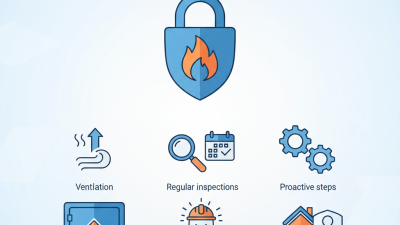
Many facilities fail to implement adequate measures. This could lead to hazardous situations. Proper labeling and ventilation systems are often overlooked. These details are essential for effective flammable storage. Secure containers can prevent spills and leaks. Regular inspections help identify potential hazards early.
Creating a culture of safety is vital. It's important to train employees regularly. They need to understand the specific risks of flammable materials. Small mistakes can lead to large consequences. Reflection on our practices can help improve safety measures. Remember, safety is an ongoing process, not a one-time effort.
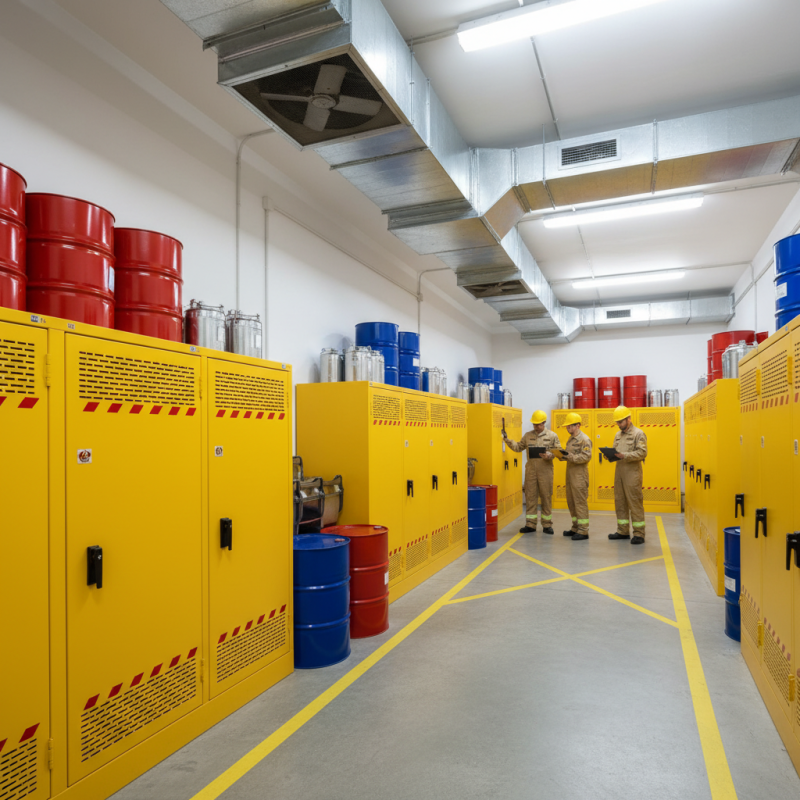
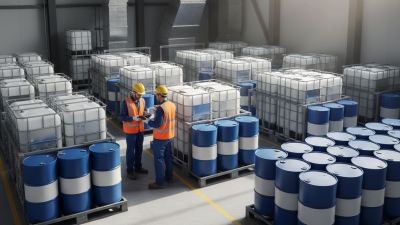
Flammable materials come in various forms, each with unique storage requirements. Solvents, for instance, should be kept in tightly sealed containers. This prevents vapors from escaping. Proper labels help in identifying the contents quickly. A cool, dry area is ideal. Avoid direct sunlight as it can increase pressure inside containers.
Gasoline is another common flammable material. It needs special attention. Store it in safety containers designed for flammable liquids. Keep these containers away from ignition sources like heaters or electrical equipment. A well-ventilated storage area is crucial. This reduces the risk of vapor accumulation.
Compressed gases like propane require specific storage guidelines. They should be upright and secured to prevent tipping. The storage area must remain cool and dry to avoid pressure buildup. Clearly marked areas help in managing risks. It's vital to regularly check the condition of containers. Dents or corrosion could lead to leaks. Always reflect on your storage practices. Proper storage is not just about safety; it ensures functionality.
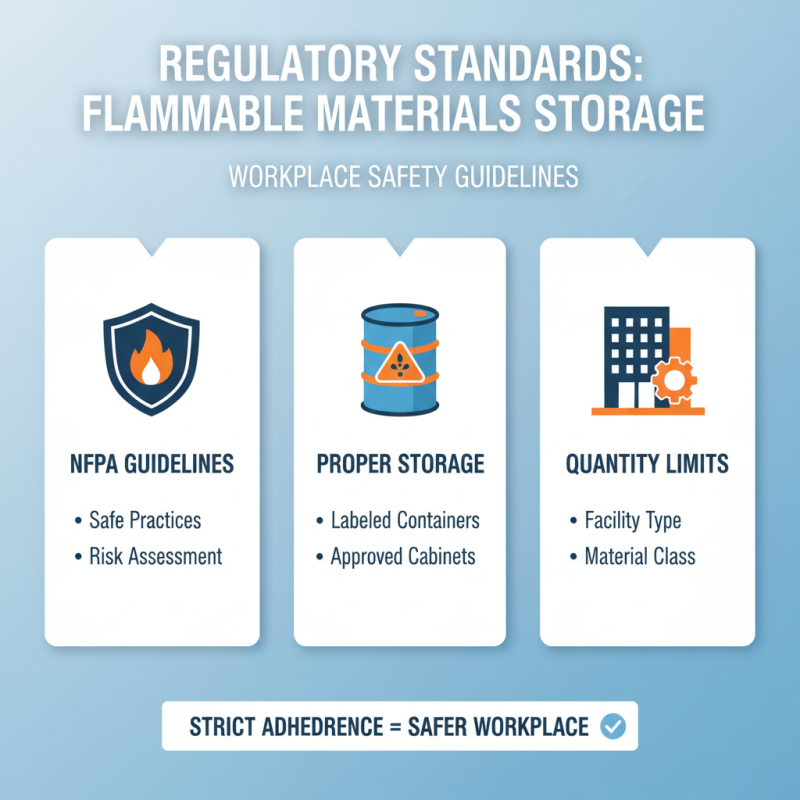
Storing flammable materials requires adherence to strict regulatory standards. The National Fire Protection Association (NFPA) provides guidelines that detail safe practices. For instance, flammable liquids need to be stored in properly labeled containers. The maximum storage limits depend on the type of facility and the quantities involved. Facilities must assess their specific risks.
Proper ventilation is essential. The Occupational Safety and Health Administration (OSHA) mandates that storage areas have adequate airflow. This reduces the buildup of flammable vapors. A study indicated that nearly 30% of workplace incidents involve poorly ventilated storage spaces. Identifying hazards and conducting regular assessments is crucial.
Employees must be trained in emergency protocols. Awareness of proper handling can prevent accidents. Interestingly, many workplaces fail to provide adequate training, leading to unsafe practices. Regular drills can reinforce safety knowledge. Reflecting on these aspects can improve overall safety culture. Storage must be evaluated consistently for compliance.
Proper ventilation is crucial in any storage area for flammable materials. Stagnant air can lead to the accumulation of harmful vapors. Installing exhaust fans and air filtration systems can help. Regularly check these systems to ensure they function well. Natural ventilation can also be beneficial. Windows or vents allow fresh air to flow, reducing risks.
Temperature control is equally important. Flammable materials often have low flash points. Store them in cool, dry places away from heat sources. The ideal temperature varies, but keeping it below 25 degrees Celsius is a good practice. Monitor the storage area consistently with reliable thermometers. Avoid overcrowding shelves to prevent heat buildup. A cluttered space can pose risks that are hard to manage.
These measures can significantly minimize hazards. However, reflection on practices is essential. Are your vents clean? Is your temperature regulation system working? Regular audits of storage conditions can highlight potential gaps. Staying proactive can save lives and property.
Storing flammable materials safely requires careful planning.
The right safety equipment can make a significant difference. Ensure you have a well-ventilated area for storage. Avoid cramped or confined spaces. Good airflow reduces the buildup of flammable vapors.
Fire extinguishers are essential.
Position them near storage areas for quick access. Use extinguishers rated for flammable liquids. Always check their pressure gauges. Replace or recharge them as needed. Regular inspections are vital for safety.
Consider using flame arresters.
These devices can prevent flames from entering storage containers. They help minimize the risk of explosions. Also, label all containers clearly. This promotes awareness and reduces mistakes.
Tips: Always wear appropriate safety gear when handling. Double-check all seals and closures. Store materials at the right temperature and in proper containers. Each small detail counts toward overall safety.
Proper training is essential for anyone who handles flammable materials. According to the National Fire Protection Association (NFPA), over 70% of workplace fires involve flammable substances. This statistic highlights the need for effective training and emergency response plans. Workers must be familiar with the types of flammable materials they deal with and the specific hazards associated with them.
Regular training sessions can be a game-changer. They should cover safe handling practices, storage guidelines, and response strategies during an emergency. Role-playing scenarios can help employees learn how to react in high-pressure situations. Providing visual aids, like posters or infographics, reinforces these concepts effectively.
**Tips:**
- Always wear appropriate personal protective equipment (PPE).
- Practice evacuation routes regularly.
- Keep emergency contact numbers visible.
Emergencies can happen even with the best precautions. In a survey, 40% of employees admitted that they were not ready for a fire drill. This indicates a gap in training. Therefore, continuous education and drills should become a routine part of workplace safety. Companies must evaluate their training programs and encourage feedback for improvement.
| Storage Method | Description | Safety Precautions | Emergency Response |
|---|---|---|---|
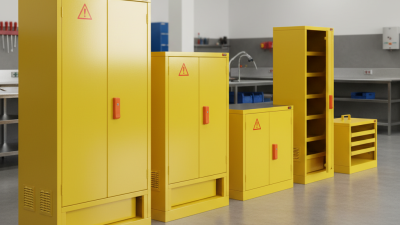
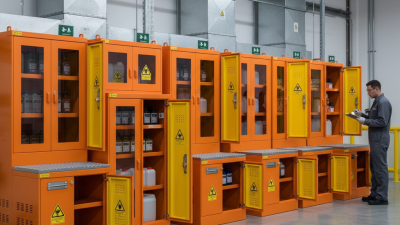
| Flammable Cabinets | Specially designed cabinets for storing flammable liquids. | Ensure cabinet is closed and locked when not in use. | Have fire extinguishers nearby and train staff on usage. |
| Proper Ventilation | Store in a well-ventilated area to prevent vapors accumulation. | Monitor ventilation systems regularly. | Evacuate area immediately if a leak is detected. |
| Labeling | Use clear labels to indicate flammable contents. | Use color-coded labels for easy identification. | Train employees on the meaning of labels. |
| Temperature Control | Store flammable materials in a temperature-controlled environment. | Regularly monitor and record temperature levels. | Implement high temperature emergency protocols. |
This website uses cookies. By continuing to browse this site you are agreeing to our use of cookies. Please review our Privacy Policy for more information.