Why Are Hand Sanitizers Essential for Hygiene and Safety?
Hand sanitizers play a vital role in maintaining hygiene and safety, especially in today’s world. According to the World Health Organization (WHO), hand hygiene can reduce the transmission of pathogens by up to 70%. This statistic highlights the significance of hand sanitizers in public health. They provide a convenient option when soap and water are not available.
However, not all hand sanitizers are equally effective. The FDA reports that sanitizers must contain at least 60% alcohol to effectively kill most germs. This leaves room for confusion among consumers. Some products may misrepresent their effectiveness. Additionally, excessive use of alcohol-based sanitizers can lead to skin irritation or dryness.
Furthermore, individuals must recognize the limitations of hand sanitizers. They do not remove dirt and grime as effectively as washing hands. And they might not eradicate all types of germs. Reflecting on these factors can lead to a better understanding of hygiene practices. It is crucial to use hand sanitizers wisely while combining them with proper handwashing techniques.

Essential Role of Hand Sanitizers in Modern Hygiene Practices
In today's world, hand sanitizers play an essential role in modern hygiene practices. They provide a quick and effective way to reduce harmful bacteria and viruses. Many people carry sanitizers in their bags. This makes it easy to practice hygiene on the go. But not all hand sanitizers are created equal. Some may not be effective against certain pathogens.
Using the right hand sanitizer can make a big difference. Look for products with at least 60% alcohol content. This concentration is critical for killing germs effectively. Also, check the ingredients. Some formulas may irritate sensitive skin, so consider fragrance-free options if needed.
Tip: Always apply enough sanitizer to cover your hands completely. Rub your hands together for at least 20 seconds. Don’t forget to sanitize under your nails and between your fingers. Make this a habit. Remember, hygiene is not just about sanitizers; it's about routine care too. Wash your hands regularly with soap and water whenever possible. This could save lives by minimizing the spread of germs.
Why Are Hand Sanitizers Essential for Hygiene and Safety?
| Aspect |
Details |
| Effectiveness |
Kills 99.9% of germs and bacteria when used properly. |
| Convenience |
Portable and easy to use without water. |
| Alcohol Content |
Effective sanitizers typically contain 60-95% alcohol. |
| Usage Situations |
Ideal for use in public places, before eating, and after touching surfaces. |
| Skin Health |
Formulations often include moisturizers to prevent skin dryness. |
| Regulations |
Many health organizations recommend regular use for hygiene. |
| Public Awareness |
Increased focus on hand hygiene during pandemics. |
Mechanisms of Action: How Hand Sanitizers Effectively Kill Germs
Hand sanitizers play a critical role in maintaining hygiene. They contain active ingredients that effectively eliminate harmful germs and bacteria. Usually, these products have alcohol levels between 60% and 95%. This concentration is key for their germ-killing ability. Alcohol works by disrupting the cell membranes of microbes, leading to their destruction.
When you apply hand sanitizer, it quickly evaporates, making it convenient for on-the-go cleaning. The evaporation allows the sanitizer to penetrate the germ's cells more effectively. This rapid action can reduce the number of sick days taken. However, hand sanitizers may not be effective on all types of germs. Some viruses, like Norovirus, can resist alcohol-based products.
Using hand sanitizer improperly can also diminish its effectiveness. For instance, if hands are visibly dirty or greasy, hand sanitizers may not work well. Additionally, the quantity applied matters. Small amounts may leave germs behind. Observing these factors is essential for optimal use. Everyone should be aware and consider their habits while using hand sanitizers. It's not foolproof, but when used correctly, it plays a significant role in public health.
Comparing Hand Sanitizers: Alcohol-based vs. Non-alcohol-based
Hand sanitizers play a critical role in hygiene. They are available in alcohol-based and non-alcohol-based forms. Alcohol-based sanitizers usually contain 60-95% alcohol. The CDC states these are effective against many bacteria and viruses. They are particularly effective when soap and water are unavailable. A study found that alcohol-based sanitizers reduced illness among the general public by nearly 20%.
On the other hand, non-alcohol-based sanitizers use other active ingredients. They may include triclosan or benzalkonium chloride. These sanitizers can be less effective against certain viruses, according to research. Non-alcohol options often appeal to people sensitive to alcohol's drying effects. However, they may not provide the same level of pathogen reduction.
Choosing the right type of hand sanitizer can be challenging. Many users may not realize that effectiveness varies. Factors like concentration and contact time matter greatly. Some reports indicate confusion among consumers regarding proper use. This inconsistency can lead to gaps in hygiene practices. Using ineffective sanitizers might give a false sense of security. Awareness is key in making informed choices about hand hygiene.
Proper Usage Techniques for Maximum Efficacy of Hand Sanitizers
Hand sanitizers play a vital role in promoting hygiene. To maximize their effectiveness, proper usage is key. First, apply a generous amount of sanitizer to cover all surfaces of your hands. It should be enough to keep your hands wet for at least 20 seconds. Rub your hands together vigorously. Make sure to cover every part: the back of your hands, between your fingers, and under your nails. This thorough application is essential to eliminate germs effectively.
However, many people rush this process. They might apply too little sanitizer or not rub long enough. In such cases, the sanitizer may not work as intended. It's crucial to avoid distractions during this time. Focus on the task and ensure you’re doing it correctly. Using hand sanitizer improperly can lead to a false sense of security. Students at schools or workers in offices might feel safe after a quick swipe, but that might not be enough.
Additionally, remember that hand sanitizers are not a complete substitute for washing hands with soap and water. There are situations where soap is necessary, especially when hands are visibly dirty. Being aware of these nuances can enhance your overall hygiene practices. Reflecting on habits can lead to better health outcomes. Always be mindful of how you use hand sanitizers and adapt your techniques as needed.
Importance of Hand Sanitizers for Hygiene and Safety
The Impact of Hand Sanitizers on Public Health and Safety Measures
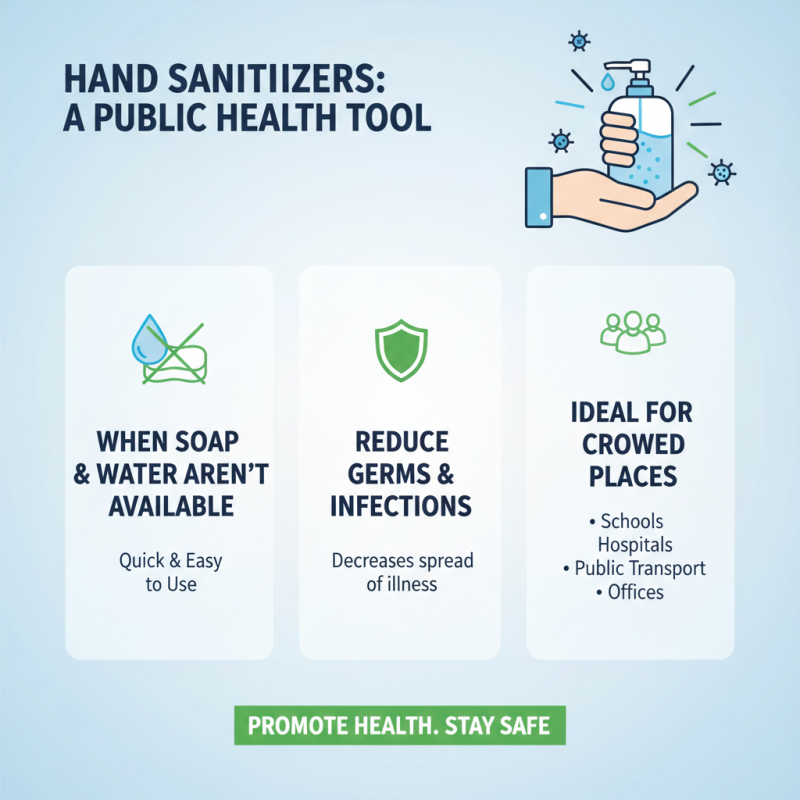
Hand sanitizers have become a critical tool in promoting public health. They are readily accessible, making them easy to use. When soap and water aren't available, these products can help reduce germs. This is particularly important in crowded places. Schools, hospitals, and public transport benefit greatly from their use. Regular hand sanitizing can decrease the spread of infections.
Despite their effectiveness, misuse can occur. Some people rely solely on hand sanitizers. This is not always sufficient. Hands may be visibly dirty or sticky, and in these cases, soap and water remain superior. People often overlook this detail. Over-reliance on sanitizers can create a false sense of security. Education on proper hand hygiene is necessary for effective public health practices.
Moreover, not all sanitizers are created equal. Some formulas may lack active ingredients for proper germ-killing. This inconsistency can affect overall safety measures. The desire for convenience sometimes compromises effectiveness. Public awareness campaigns should emphasize using an adequate amount of product and the correct application technique. A few seconds can make all the difference in ensuring safety.