What is a Flammable Liquid Cabinet and Why You Need One?
In many workplaces, safety is a top priority. One crucial aspect is the storage of hazardous materials. A Flammable Liquid Cabinet plays a vital role in this regard. It is specifically designed to store flammable liquids safely. This type of cabinet minimizes the risk of fire and protects both people and property.
Choosing the right Flammable Liquid Cabinet can be overwhelming. Various options are available, and understanding their specifications is essential. Standards dictate how these cabinets should be constructed. Their materials and design must comply with safety regulations. This ensures they provide adequate protection against fire hazards.
Ignoring proper storage methods for flammable liquids can lead to severe consequences. Accidents can happen even in the safest environments. Investing in a Flammable Liquid Cabinet is a proactive step. It demonstrates a commitment to safety and helps prevent disasters before they occur. Companies should reflect on their storage practices and recognize the importance of these cabinets in fostering a safer workplace.
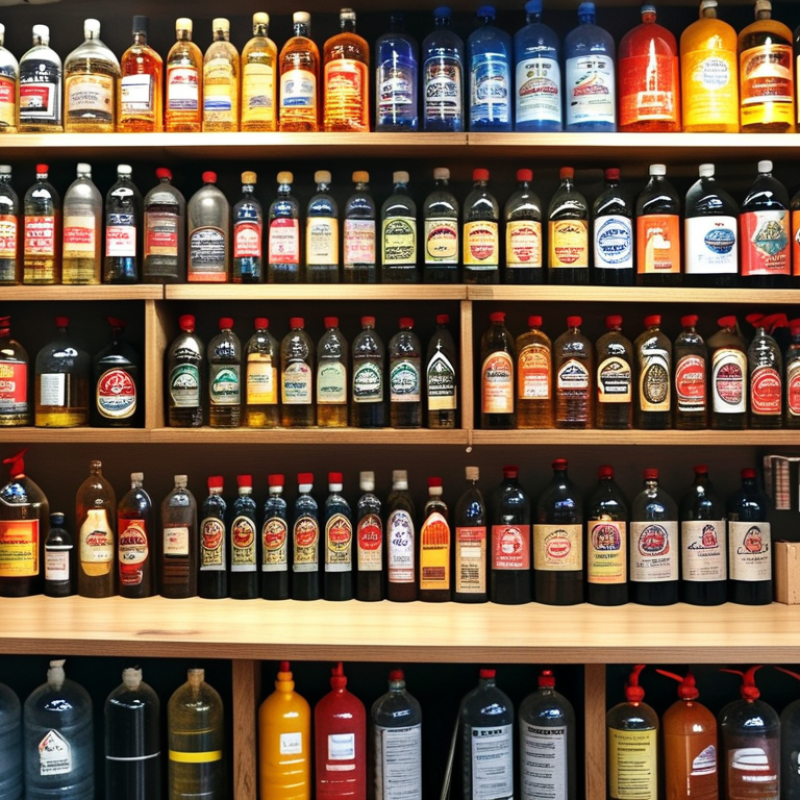
What is a Flammable Liquid Cabinet?
A flammable liquid cabinet is a specialized storage unit designed to safely contain hazardous liquids. These cabinets are constructed from materials that withstand high temperatures and minimize fire hazards. According to the National Fire Protection Association (NFPA), approximately 30% of workplace fires are caused by flammable liquids. Therefore, having an appropriate storage solution is critical.
These cabinets enhance safety by limiting the risk of spills and preventing ignition sources from coming into contact with the stored liquids. They typically include features like self-closing doors, ventilation for fumes, and a secondary containment tray. For instance, a study by OSHA emphasizes that proper storage can reduce the chance of workplace accidents by up to 80%. Additionally, industries handling chemicals must comply with stringent safety regulations, underscoring the importance of flammable liquid cabinets.
Despite their advantages, many workplaces overlook this essential equipment. Some may not fully grasp the value of a proper storage solution. A recent survey indicated that over 40% of industrial facilities lacked compliant storage for flammable materials. This statistic reveals a significant gap in safety practices. Investing in a flammable liquid cabinet is not merely about compliance; it is a proactive measure to safeguard lives and property.
Key Features of Flammable Liquid Cabinets
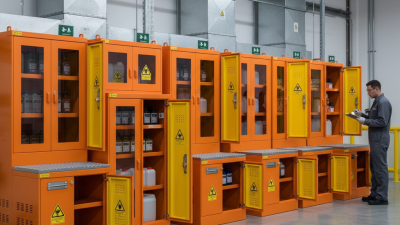
Flammable liquid cabinets are essential for safely storing hazardous materials in various settings. These cabinets are designed to contain flammable liquids, minimizing the risk of fire. They are constructed from durable, non-combustible materials, ensuring they withstand high heat. Features like self-closing doors and ventilation systems help prevent fumes from accumulating. The doors often come with multiple locking mechanisms, adding another layer of security.
A key characteristic of these cabinets is their ability to withstand explosions. Many cabinets are fire-rated, meaning they can endure high temperatures for a specific time. This delay can be crucial during an emergency. Additionally, cabinets usually include labels indicating the contents inside. This helps in quickly identifying the hazards without opening the cabinet.
Organizational aspects matter too. Adjustable shelves allow for flexible storage solutions. Proper labeling and organization can prevent confusion, saving time in critical situations. Still, it's vital to regularly inspect these cabinets for any signs of wear or damage. Failing to do so could compromise safety, making reflections on best practices essential for maintaining a safe workspace.
Benefits of Using a Flammable Liquid Cabinet
Flammable liquid cabinets are essential for safely storing hazardous materials. They help minimize fire risks in workplaces where such liquids are handled. By containing spills and limiting vapor release, these cabinets create a safer environment for workers. Their special construction helps prevent accidents, making compliance with safety regulations easier.
Using a flammable liquid cabinet offers numerous benefits. These cabinets are built with fire-resistant materials and ventilation systems, ensuring vapors don’t accumulate. They often come with color-coded labeling, clearly indicating the hazards associated with stored substances. This promotes better awareness and safety practices among employees.
Incorporating a flammable liquid cabinet also contributes to organizational efficiency. It allows for orderly storage of materials, making it easier to locate items when needed. However, one must regularly check the cabinet's integrity and ensure proper maintenance. Neglecting these tasks can lead to unaddressed issues, raising safety concerns.
Benefits of Using a Flammable Liquid Cabinet
Regulatory Standards for Flammable Liquid Storage
When it comes to storing flammable liquids, regulatory standards are crucial. Many workplaces must follow guidelines to ensure safety and compliance. The National Fire Protection Association (NFPA) and Occupational Safety and Health Administration (OSHA) provide specific requirements for flammable liquid storage. These standards help prevent accidents and ensure proper handling in various industries.
Tips: Always label your flammable liquid cabinet clearly. This makes it easier to identify hazardous substances quickly. Ensure your cabinet is built to specific standards. It should be made from non-combustible materials.
Flammable liquid cabinets must be vented or non-vented, depending on the liquid type. It's essential to follow local regulations when determining the type of cabinet needed. Proper storage practices keep employees safe and reduce risks of fire hazards. Regularly inspect your storage solutions to ensure they remain compliant. Review and update your training sessions to keep all employees informed about safety measures.
What is a Flammable Liquid Cabinet and Why You Need One? - Regulatory Standards for Flammable Liquid Storage
| Feature |
Description |
Regulatory Standard |
Typical Uses |
| Material |
Constructed of steel with a powder-coated finish for durability. |
OSHA, NFPA regulations |
Laboratories, workshops, and industrial settings. |
| Fire Rating |
Typically rated for 30 to 90 minutes of fire resistance. |
UL and FM approvals |
Storing flammable solvents and chemicals safely. |
| Ventilation |
Equipped with built-in ventilation ports. |
EPA standards for hazardous materials |
Chemical storage in closed environments. |
| Capacity |
Available in various sizes, from small to large cabinet options. |
No specific regulations, but must comply with general storage guidelines. |
Facilities handling multi-gallon quantities of liquids. |
| Locking Mechanism |
Features secure locking for safe chemical access. |
OSHA Standards for employee safety |
Areas with restricted access policies. |
Best Practices for Maintaining a Flammable Liquid Cabinet
Flammable liquid cabinets are essential for safely storing hazardous materials. Proper maintenance ensures safety and compliance with regulations. For example, the National Fire Protection Association (NFPA) emphasizes the need for proper labeling and organization in storage areas. Cabinets must be clearly labeled to avoid confusion and accidents.
Regular inspections are vital. According to industry studies, nearly 30% of workplace incidents involve flammable materials. Ensuring that cabinets are closed tight and seals are intact can significantly reduce risk. Staff should be trained to check for leaks and wear. A simple weekly check can reveal potential issues before they escalate.
Ventilation is another critical factor. Cabinets must be positioned in well-ventilated areas to prevent the buildup of vapors. Data indicates that up to 40% of fire incidents can be traced back to poor ventilation practices. Additionally, employees should be conscious of the cabinet’s environment. Keeping the area free of clutter helps maintain accessibility in emergencies. Ultimately, prioritizing these practices fosters a safer workplace.