10 Essential Tips for Safely Using Hydrochloric Acid at Home?
Hydrochloric Acid is a powerful chemical commonly found in many households. Its ability to clean surfaces makes it a popular choice for tough stains and grime. However, safety must be prioritized. Dr. Emily Carter, a leading chemist in the field, states, "Using Hydrochloric Acid at home requires understanding its risks and necessary precautions."
Many people underestimate the dangers of Hydrochloric Acid. It can cause burns on skin and damage to surfaces if not handled correctly. Always wear gloves and eye protection when working with this substance. Also, ensure that the area is well-ventilated. Misuse can lead to hazardous accidents. It’s essential to read labels and follow instructions carefully.
While Hydrochloric Acid is useful, it’s not without its flaws. Oversights can lead to significant issues, such as chemical reactions with incompatible materials. Experienced users still need to be vigilant. Reflecting on safety practices is crucial. When in doubt, consult with a professional before using Hydrochloric Acid. Always prioritize safety to ensure a hazard-free environment.
Understanding Hydrochloric Acid: Properties and Common Uses
Hydrochloric acid is a strong mineral acid. It’s colorless and has a pungent smell. Commonly used for cleaning, it is effective in removing rust and mineral deposits. However, handling it safely is crucial. Accidents can happen easily. Always remember this when using it at home.
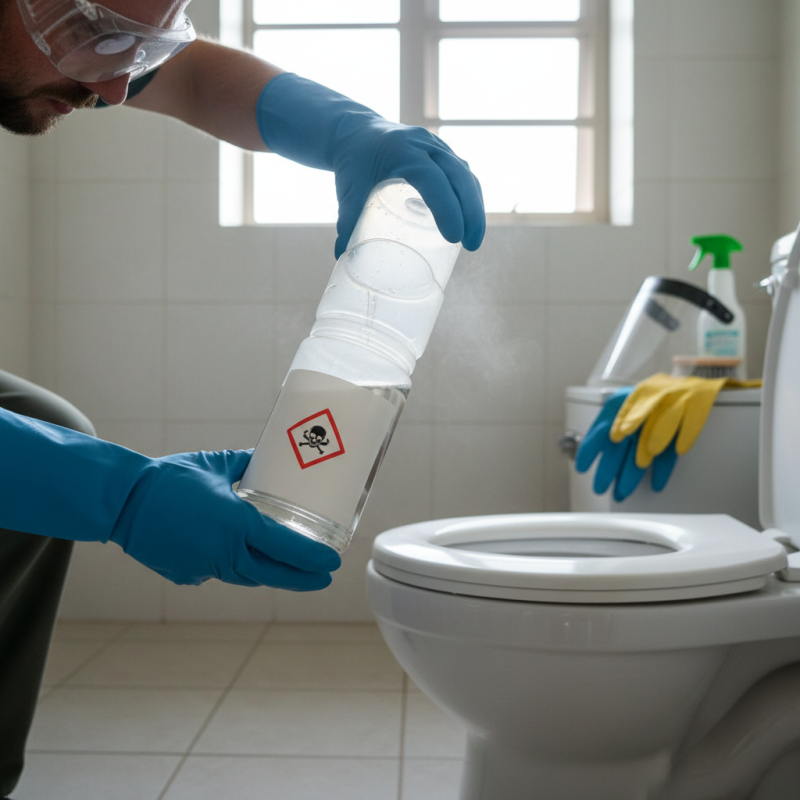
When working with hydrochloric acid, make sure to wear protective gear. Gloves, goggles, and masks are essential. These items can protect you from splashes and harmful fumes. If you spill it, use a neutralizing agent. This can help minimize the danger before cleaning it up.
Store hydrochloric acid in a cool, dry place. Keep it out of reach of children and pets. Avoid mixing it with other chemicals, as this can lead to unexpected reactions. Always read labels and safety data sheets. Understand the risks before starting any project involving this acid. Safety is key to preventing accidents and ensuring a safe home environment.
Hydrochloric Acid Safety Tips Usage
This chart illustrates the importance level of various safety tips for using hydrochloric acid at home, rated on a scale from 1 to 10. Each tip addresses crucial safety measures to ensure proper and safe handling of hydrochloric acid.
Essential Safety Gear for Handling Hydrochloric Acid at Home
When handling hydrochloric acid at home, safety gear is non-negotiable. Protective eyewear is crucial. Acid can splash and cause serious eye damage. Choose goggles that fully seal around your eyes for added protection. Gloves are also essential. Use thick, chemical-resistant gloves. Thin latex gloves will not provide adequate barrier against splashes.
Another important item is an apron. A rubber or plastic apron can shield your skin and clothing from spills. Regular clothing may not suffice. Consider using a face shield in addition to goggles for extra safety. Your face is vulnerable. A small splash could lead to severe injuries.
Always have a source of water nearby for rinsing in case of contact. This is not an absolute safeguard but can mitigate damage. Ensure your workspace is well-ventilated. Fumes can be harmful, especially in enclosed spaces. Remember that safety gear doesn't mean you're invincible. Small lapses in attention can lead to accidents. Stay vigilant and aware. Safety should never feel optional.
10 Essential Tips for Safely Using Hydrochloric Acid at Home
| Tip Number |
Safety Tip |
Essential Safety Gear |
| 1 |
Always wear protective gloves. |
Chemical-resistant gloves |
| 2 |
Use safety goggles to protect your eyes. |
Safety goggles |
| 3 |
Ensure good ventilation in the area. |
Ventilation mask |
| 4 |
Keep a neutralizing agent nearby. |
Baking soda |
| 5 |
Store hydrochloric acid in a safe place. |
Secure storage container |
| 6 |
Always dilute acid in water, not vice versa. |
Protective apron |
| 7 |
Read the label and safety data sheet. |
Documentation |
| 8 |
Never work alone when handling hazardous materials. |
Communication device |
| 9 |
Avoid contact with skin and inhalation of fumes. |
Respirator |
| 10 |
In case of spill, contain and neutralize immediately. |
Emergency spill kit |
Proper Storage Techniques for Hydrochloric Acid to Prevent Accidents
Storing hydrochloric acid safely is crucial at home. This chemical can be dangerous if not handled properly. Always keep it in a cool, dry place. A well-ventilated area is essential. Avoid direct sunlight, as heat can increase pressure in the container.
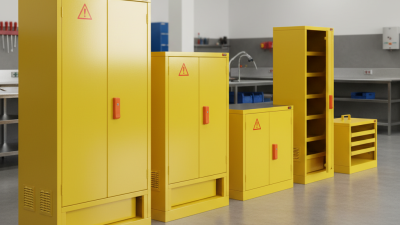
Use a sturdy, upright cabinet to store the acid. Ensure the cabinet is labeled clearly. It's best to use secondary containment, like a tray, to catch any leaks. Regularly check for signs of corrosion or leaks on the container. If you notice any damage, dispose of the acid responsibly.
Consider using smaller containers, especially if you need less quantity. This limits the risk if spills occur. Remember to store it away from incompatible substances like bleach or ammonia. Children and pets should never access the storage area. Safety first always. Accidents are rarely planned, but preparation can prevent them.
Emergency Response: What to Do in Case of Hydrochloric Acid Exposure
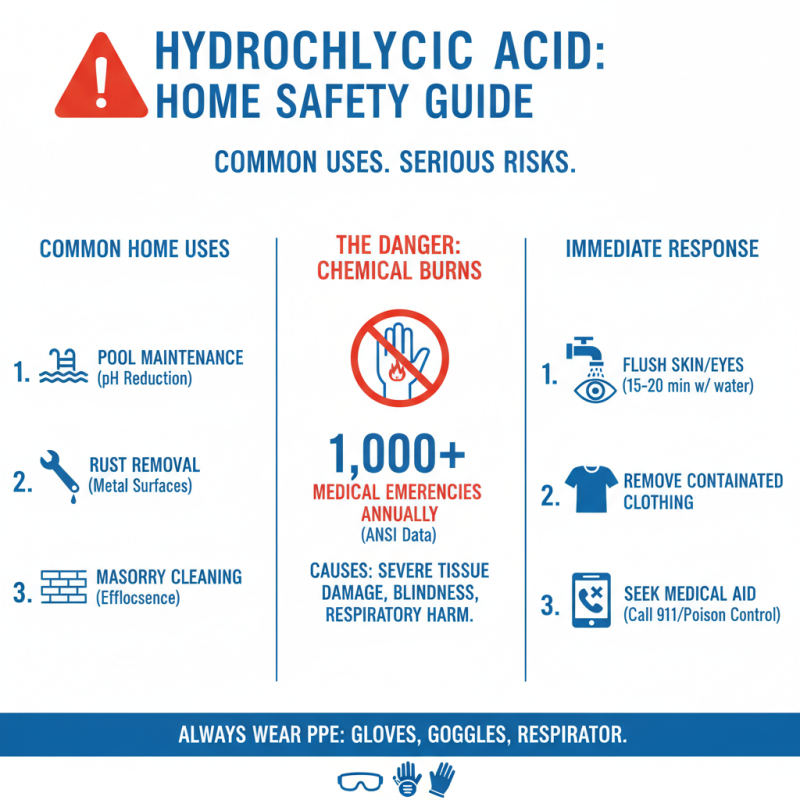
Hydrochloric acid is commonly used for various tasks at home. However, exposure can lead to serious consequences. In fact, the American National Standards Institute reports that over 1,000 people require medical attention annually due to chemical burns from acids like hydrochloric acid. Understanding how to respond effectively is vital for safety.
If accidental exposure occurs, immediate action is crucial. Rinse the affected area with plenty of water for at least 15 minutes. Remove contaminated clothing gently. If the eyes are affected, flush them with clean water without delay. Do not rub the eyes, as this can worsen the irritation. Seek medical help promptly, especially if symptoms persist.
Keep in mind that inhalation is also a risk. Symptoms may include coughing or difficulty breathing. If this happens, move to fresh air immediately. A report from the National Institute for Occupational Safety and Health (NIOSH) emphasizes the importance of ventilation when using chemicals. However, inadequate awareness often leads to mistakes in handling such substances at home. Be cautious and prepared.
Disposal Guidelines for Hydrochloric Acid to Protect the Environment
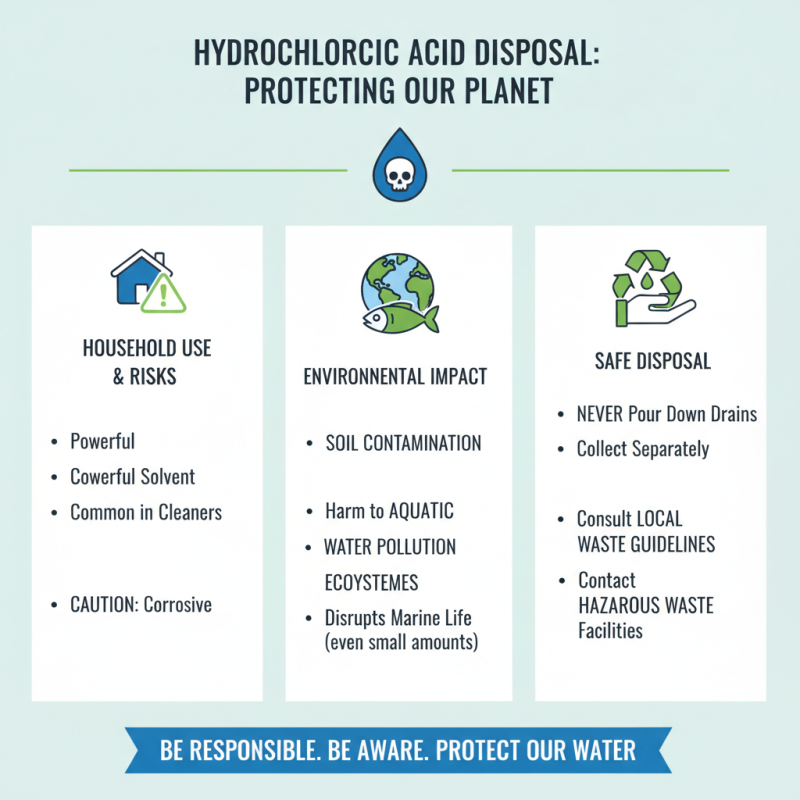
Hydrochloric acid, a powerful solvent, is widely used in households. However, its disposal requires careful consideration to prevent environmental damage. Improper disposal can lead to soil contamination and water pollution. Research shows that acids like hydrochloric can significantly disrupt aquatic ecosystems. According to environmental studies, even small amounts can affect marine life adversely.
When it’s time to dispose of hydrochloric acid, avoid pouring it down the drain. Instead, neutralization is recommended. Mixing it with baking soda or a similar base neutralizes the acid. This process reduces its harmful effects. Always ensure the mixture is safe before disposal. Local hazardous waste disposal facilities often accept chemicals like hydrochloric acid. Make sure to check their guidelines.
Many people may not be aware of these dangers. A 2020 report highlighted that improper chemical disposal contributes to over 40% of local waterway pollution. It underscores the need for education on safe disposal practices. Relying on household methods could lead to unintended consequences. Reflecting on this issue is essential for our safety and environmental health.