Why Are Lithium Batteries Essential for Modern Technology?
Lithium batteries play a crucial role in our daily lives. These power sources are found in various devices, from smartphones to electric cars. Their efficiency and lightweight design make them ideal for modern technology.
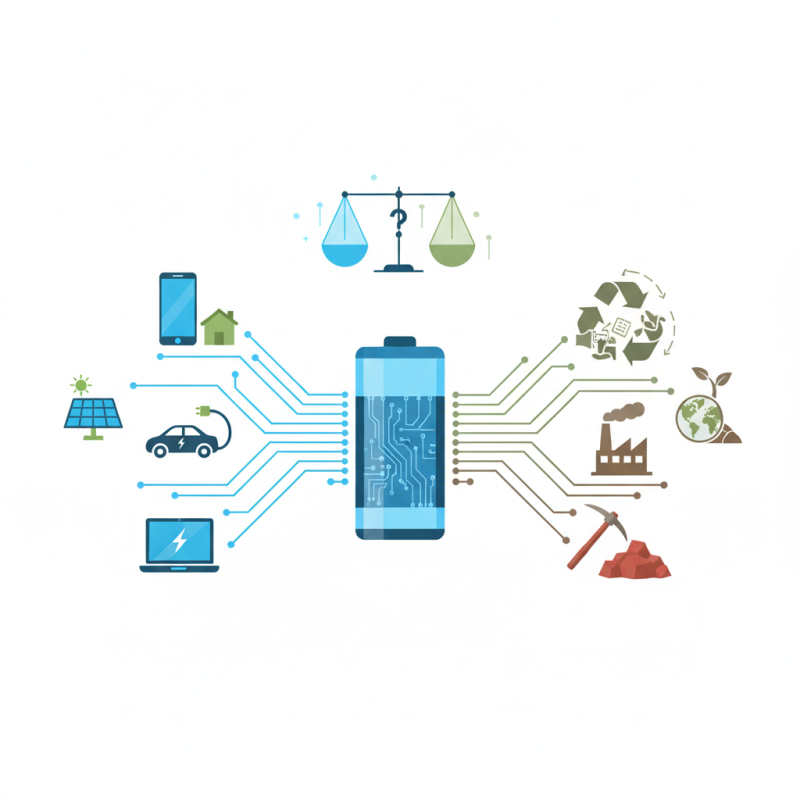
The demand for lithium batteries has surged in recent years. The growing popularity of renewable energy sources, like solar power, demands efficient storage solutions. Lithium batteries are key to this development, providing reliable energy storage. However, challenges exist in recycling and the environmental impact of lithium extraction.
As we embrace new technologies, we must reflect on these issues. The convenience of lithium batteries should not overshadow their drawbacks. Balancing innovation with responsibility is essential for sustainable growth in this industry.
The Role of Lithium Batteries in Everyday Devices
Lithium batteries play a crucial role in our everyday devices. These batteries power smartphones, tablets, and laptops, making them indispensable in modern life. With their ability to hold a charge for long periods, they support our need for constant connectivity. Imagine being able to use your device throughout the day without frequent recharging. This convenience makes lithium batteries a favorite among manufacturers and consumers alike.
However, there are challenges associated with lithium batteries. Production can be environmentally taxing, and recycling methods are still evolving. The sourcing of lithium often raises ethical concerns, too. Many people are unaware of the complexities behind these powerful little batteries. As we rely more on technology, it becomes essential to think about the life cycle of these batteries.
Beyond their performance, the impact of lithium batteries on our lives is significant. We expect reliability and longevity, yet many devices eventually face battery degradation. This reality encourages a conversation about sustainability in electronics. It’s worth reflecting: how can we innovate to improve the life span of batteries? What changes can we make to our habits and devices?
Importance of Lithium Batteries in Everyday Devices
The Advantages of Lithium Batteries Over Traditional Power Sources
Lithium batteries have transformed the way we power our devices. They offer unmatched energy density, often three times greater than lead-acid batteries. According to a study from the International Energy Agency, lithium batteries can store more energy in a compact size. This is crucial for portable electronics and electric vehicles, allowing for longer usage times.
The efficiency of lithium batteries is another advantage. They charge faster and last longer than traditional power sources. Reports show that lithium-ion batteries have a cycle life of over 2,000 charge cycles. In contrast, nickel-cadmium batteries often only endure around 1,000 cycles. This longevity reduces waste and fosters sustainability. However, recycling lithium batteries poses challenges.
Safety is also a concern. Lithium batteries can overheat or catch fire if damaged. Though the risks exist, advancements in technology aim to mitigate these issues. Researchers are exploring safer materials and enhanced battery management systems. Despite these improvements, vulnerabilities remain, and ongoing vigilance is necessary. The journey to perfecting lithium battery technology continues, highlighting both its strengths and areas needing attention.
Applications of Lithium Batteries in Consumer Electronics
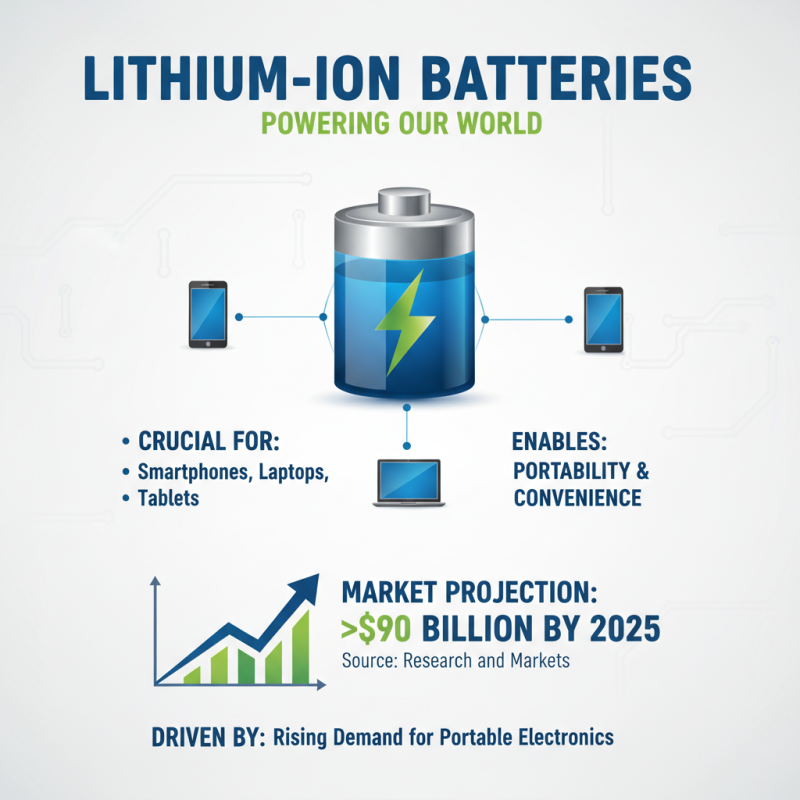
Lithium batteries play a crucial role in today’s consumer electronics. They power our smartphones, laptops, and tablets, making our lives more convenient. According to a report by Research and Markets, the global lithium-ion battery market is projected to reach over $90 billion by 2025. This growth reflects the rising demand for portable electronics.
Smartphones, for instance, are highly dependent on lithium batteries. Many modern devices utilize battery technology to extend usage time and enhance performance. A typical smartphone battery lasts about 2,000 to 3,500 mAh. This allows consumers to stay connected without frequent charging. However, shortcomings exist. Lithium batteries can degrade quickly if not managed properly. They can also pose safety risks if overheated.
In addition, the rise of electric vehicles (EVs) increases pressure on lithium battery production. Research indicates that the demand for batteries in EVs may account for up to 30% of the lithium market by 2030. This shifting landscape highlights the need for sustainable practices in lithium extraction and recycling. As technology advances, the balance between innovation and environmental impact remains a critical challenge.
The Impact of Lithium Batteries on Renewable Energy Solutions
Lithium batteries play a critical role in renewable energy solutions. These batteries store energy from solar and wind sources effectively. By doing this, they help balance power supply and demand. In a world aiming for sustainability, their significance cannot be overstated.
To optimize the use of lithium batteries, consider their lifespan. Regular monitoring can prevent early degradation. It’s also essential to understand charging cycles. Overcharging can reduce capacity. Ensure the batteries are used within specified limits.
However, lithium batteries come with challenges. Environmental concerns arise from mining and disposal processes. Recycling methods are still developing. People must reflect on sustainable practices in this area. Embracing renewable technology means considering the entire lifecycle of batteries.
When integrating lithium batteries into renewable systems, prioritize energy efficiency. Evaluate your storage needs before making a decision. Research your options thoroughly to avoid costly mistakes. A careful approach can lead to better energy management and a greener future.
Why Are Lithium Batteries Essential for Modern Technology? - The Impact of Lithium Batteries on Renewable Energy Solutions
| Dimension |
Data |
| Energy Density (Wh/kg) |
150-250 |
| Cycle Life (Number of Cycles) |
500-1500 |
| Charge Time (Hours) |
1-3 |
| Global Market Size (Billion USD) |
40 |
| Projected Growth Rate (2023-2030) |
20% CAGR |
| Primary Applications |
Electric Vehicles, Renewable Energy Storage, Consumer Electronics |
| Environmental Impact |
Recyclable, Lower Carbon Footprint compared to Fossil Fuels |
Future Trends in Lithium Battery Technology and Sustainability
Lithium battery technology is evolving rapidly. This evolution raises questions about sustainability. As demand for batteries grows, we must consider their environmental impact. Recycling lithium batteries is crucial. Current recycling rates are low. Only a small percentage of lithium is recovered. This inefficiency leads to waste and increased resource extraction.
Future trends indicate a shift towards sustainable practices. Researchers explore new materials that can reduce reliance on lithium. For example, sodium and magnesium could serve as alternatives. These innovations hold promise for reducing environmental impact. Yet, they also require rigorous testing and development. The transition may not be straightforward.
Consumer awareness plays a significant role. People are becoming more concerned about sustainability. This shift encourages manufacturers to adopt greener practices. However, the push for cheap and efficient technology often overshadows sustainability goals. Balancing cost and eco-friendliness is challenging. The path to sustainable lithium battery technology is complex, filled with contradictions, and demands ongoing reflection.