How to Ensure Safe Chemical Storage for Your Business
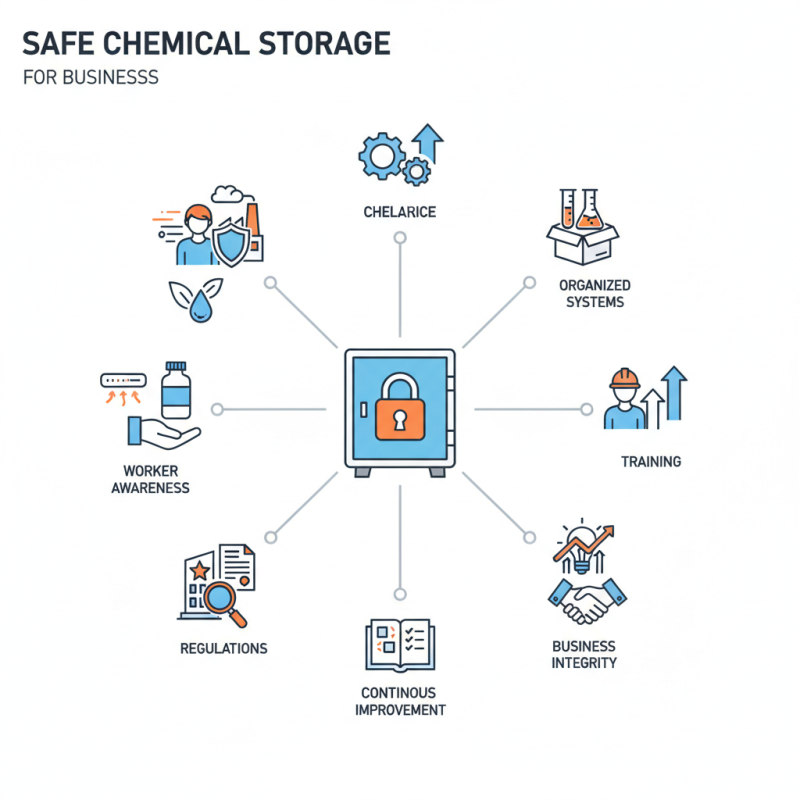
Ensuring safe chemical storage is crucial for any business dealing with hazardous materials. Chemical storage involves organizing and maintaining substances in ways that protect people and the environment. Risks arise from improper handling and storage. These can lead to accidents and legal issues, severely impacting a business’s reputation.
A well-structured chemical storage system reduces hazards greatly. It includes choosing the right containers and ensuring proper ventilation. Labeling chemicals clearly is vital for worker awareness. Many businesses overlook the importance of training employees on safe handling practices. This gap can result in mistakes that compromise safety.
Staying compliant with local regulations is essential. Regular audits of storage facilities help identify potential risks. Learning from past incidents can improve safety protocols. Reflecting on these experiences guides better practices. By prioritizing safe chemical storage, businesses not only protect their workers but also preserve their integrity.
Identifying Hazardous Chemicals in Your Inventory
Identifying hazardous chemicals in your inventory is crucial for ensuring safety. Start by reviewing your stored materials. Create a detailed list of all chemicals on-site. This should include labels, safety data sheets, and any relevant documentation. Understanding the properties of these substances is essential for proper handling and storage.
Next, look for common indicators of hazardous chemicals. High volatility, toxicity, and corrosiveness are key traits. Certain colors and labels also signify risks. Ensure your team is trained to recognize these dangers. Regular audits of your inventory can prevent unnoticed risks from escalating. Expect some challenges here; it can be overwhelming.
Don't forget to consider aging chemicals. Some substances become more dangerous over time. Evaluate their shelf lives and handle disposal carefully. For everything you do, prioritize safety training for your staff. Engaging your team in safety practices often leads to better hazard recognition. Be open to feedback and improvement. This process is ongoing and needs attention.
Understanding Regulatory Requirements for Chemical Storage
When it comes to chemical storage, understanding regulatory requirements is essential for every business. Data from the National Fire Protection Association (NFPA) indicates that hazardous materials contribute to over 10% of workplace emergencies. Compliance with regulations can significantly reduce risks.
Many businesses overlook the significance of written procedures. These guidelines should address storage locations, inventory management, and containment. For example, OSHA mandates that businesses must have Material Safety Data Sheets (MSDS) accessible. Keeping these documents updated can enhance safety awareness among employees.
**Tip:** Regular training sessions can help workers familiarize themselves with safety protocols. This can mitigate potential accidents related to chemical exposure.
Another aspect to consider is the design of your storage area. The right shelving, spill containment systems, and ventilation are not luxuries; they are necessities. The Environmental Protection Agency (EPA) recommends periodic audits. Such audits identify compliance gaps and help prioritize improvements.
**Tip:** Create a checklist for regular inspections. This simple tool can track compliance and maintain safety standards effectively.
Implementing Proper Storage Techniques and Practices
When storing chemicals, proper techniques can mitigate risks. Identify your space. Ensure it is well-ventilated and cool. Avoid areas with direct sunlight or heat sources. Use shelves that can handle the weight of containers. Securely close each container to prevent leaks.
Label everything clearly. Use hazard symbols and color codes. This simple step avoids mistakes. Staff should be trained to understand these labels. Regularly inspect storage areas. Look for spills or leaks. Keep an eye on expiration dates, too.
Consider the arrangement of chemicals. Store incompatible substances away from each other. This requires knowledge of chemical properties. Think about potential reactions. Often, businesses overlook this vital aspect. A small oversight can lead to significant consequences. Keeping records of inventory is crucial for effective storage. Regular audits help maintain compliance.
Chemical Storage Safety Practices
This chart illustrates the percentage of businesses implementing various chemical storage safety practices. Proper techniques are crucial for ensuring safe chemical storage in compliance with regulations.
Developing an Emergency Response Plan for Chemical Incidents
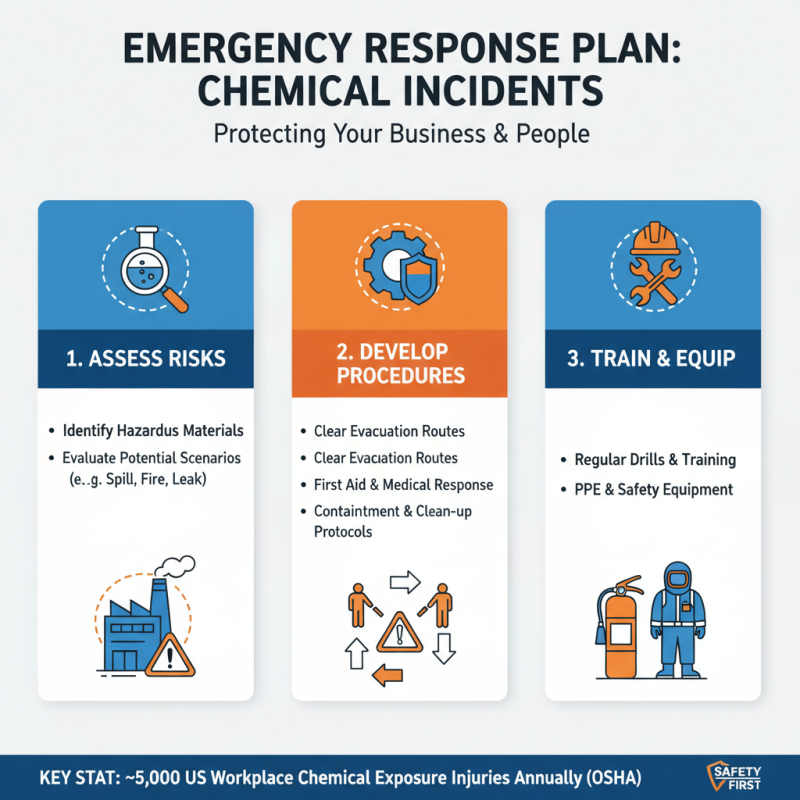
Developing a robust emergency response plan for chemical incidents is essential for any business that handles hazardous materials. According to the Occupational Safety and Health Administration (OSHA), nearly 5,000 workplace injuries related to chemical exposure occur annually in the U.S. This highlights the need for comprehensive preparation. Companies should assess potential risks and create clear procedures for various scenarios.
A well-structured emergency response plan should include immediate action steps. These steps might involve evacuation routes, communication strategies, and specific contact details for emergency services. Keeping a current inventory of all chemicals on-site is critical. The National Fire Protection Association (NFPA) suggests that facilities develop a chemical safety data sheet (SDS) for each substance. However, many businesses overlook this detail, leading to chaos during an incident.
Training is another vital component. Regular drills can reinforce procedures and identify weaknesses in the plan. However, a shocking statistic reveals that about 40% of employees do not participate in safety training. This gap can leave an organization vulnerable. Continuous evaluation and updating of the emergency response plan are necessary to ensure its effectiveness. It’s easy to overlook these details, but neglect can have severe consequences.
Training Employees on Safe Handling and Storage Procedures
Training employees on safe handling and storage procedures is crucial. Proper training enhances safety and minimizes workplace hazards. Employees should understand how to identify various chemicals and their risks. This knowledge helps in taking necessary precautions. Training should be ongoing, with refresher courses at regular intervals.
Practical demonstrations are effective. Interactive sessions allow employees to practice proper techniques. This experience builds confidence. Encourage questions during training. Employees might discover gaps in their knowledge. Address these promptly to reinforce understanding. Use scenarios that reflect real situations your team encounters.
Evaluate the effectiveness of your training. Conduct assessments or quizzes to gauge knowledge retention. Gather feedback from participants to identify areas needing improvement. Continuous improvement ensures that your team remains vigilant and prepared for potential chemical hazards. Unsafe practices can lead to serious accidents; thus, prioritizing thorough training is essential.
How to Ensure Safe Chemical Storage for Your Business - Training Employees on Safe Handling and Storage Procedures
| Category |
Employee Training Material |
Frequency of Training |
Last Conducted |
| General Chemical Safety |
Chemical Hazards Awareness |
Annually |
March 2023 |
| Storage Procedures |
Proper Storage Techniques |
Biannually |
September 2023 |
| Emergency Procedures |
Spill Response and First Aid |
Quarterly |
October 2023 |
| Personal Protective Equipment (PPE) |
Use of PPE Guidelines |
Annually |
January 2023 |