What to Consider When Sourcing Switch Panels Globally?
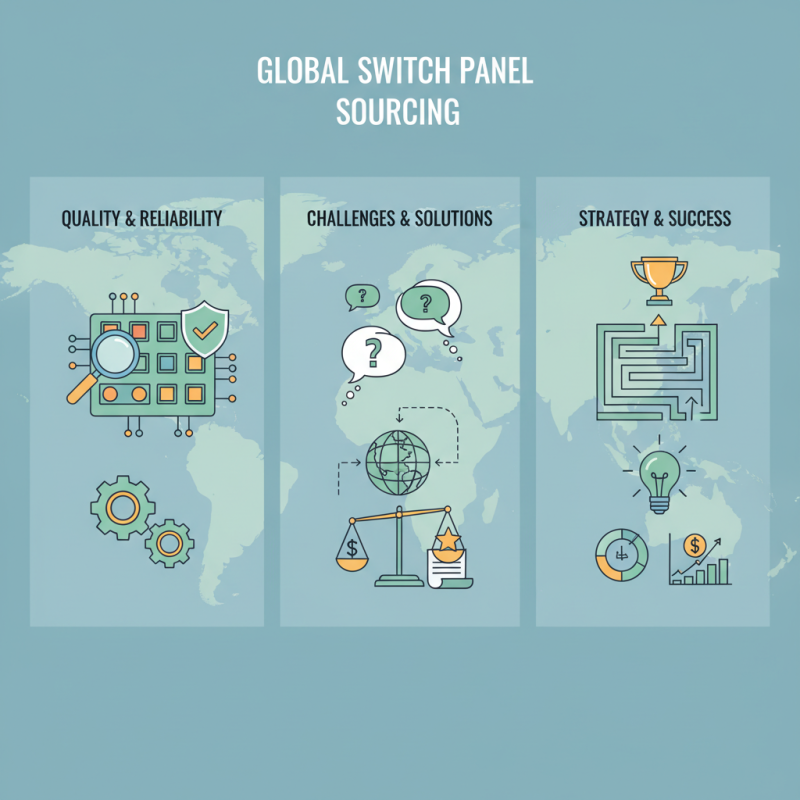
Sourcing Switch Panels globally is a complex task. Companies must navigate various challenges to ensure quality and functionality. The switch panel serves as a critical component in numerous electronic devices. Its reliability directly impacts performance and safety.
When considering global suppliers, quality assurance is essential. Evaluating manufacturers' certifications can provide insights into their reliability. However, there can be discrepancies in quality across different regions. Language barriers and cultural differences may complicate communication. Each region has its strengths and weaknesses.
Market research is invaluable. It reveals trends and standards in switch panel production. Yet, understanding local regulations can be daunting. Sourcing switch panels requires diligence and expertise. Balancing cost and quality is crucial. In this global landscape, making informed decisions is necessary for success.
Factors Influencing the Global Sourcing of Switch Panels
When sourcing switch panels globally, several critical factors come into play. Firstly, understanding the regulatory compliance in different regions is essential. Each country has unique standards for electrical products, which can affect sourcing decisions. Familiarizing oneself with these regulations can be time-consuming and tricky. Manufacturers may not always provide clear documentation. Watching for red flags in product certifications becomes necessary.
Another important factor is supply chain reliability. Disruptions can occur due to unforeseen events, such as natural disasters or political unrest. A single factory closure can halt production. It's vital to assess the stability of suppliers and their production capabilities. Diversifying sources may provide a buffer against these risks. Engaging in constant communication with suppliers can uncover potential issues early.
Lastly, price fluctuations can significantly affect sourcing strategies. Currency exchange rates and material costs change frequently. Companies must regularly evaluate their pricing structures and consider long-term agreements with suppliers. This approach often requires juggling various aspects, and oversights can lead to unexpected expenses. Developing a strong relationship with chosen partners helps navigate these challenges effectively.
Identifying Reliable Suppliers for Switch Panels Worldwide
When sourcing switch panels globally, identifying reliable suppliers is crucial. A thorough vetting process can minimize risks. Start by evaluating potential suppliers' experience. Look for companies with a track record in the industry. Seek out testimonials or case studies that highlight their capabilities.
Verify certifications and standards compliance. This step ensures that the products meet safety and quality requirements. Additionally, consider the geographical factors. Different regions may have varying manufacturing practices. Some suppliers may promise lower costs but compromise quality. It’s essential to balance cost with quality.
Communication is key in supplier relationships. Clear, ongoing dialogue helps address potential issues. Understand that not all suppliers will meet your expectations. Regular assessments of supplier performance can reveal areas for improvement. Building a trustworthy partnership takes time and patience. Remain open to reevaluating your suppliers based on their performance.
Evaluating Quality Standards and Certifications in Switch Panels
When sourcing switch panels globally, understanding quality standards and certifications is crucial. Various regions have specific requirements, which can impact product performance and safety. This complexity demands careful research. For example, UL and CE certifications ensure that panels meet rigorous safety and performance criteria. However, not all manufacturers prioritize these certifications. This inconsistency raises concerns about product reliability.
Moreover, not all certifications are created equal. Some may hold less significance in certain markets. Evaluating the credibility of the issuing bodies becomes vital in this context. It's essential to verify if manufacturers comply with local and international standards. Relying solely on documentation can be misleading. On-site inspections and third-party audits can provide a clearer picture of quality.
Different manufacturers might interpret standards differently, which adds another layer of complexity. A switch panel that meets one standard might not comply fully with another. It's worth pondering how these discrepancies affect overall performance. Quality control processes could vary significantly among suppliers. Therefore, fostering strong relationships with reliable partners can lead to more informed sourcing decisions.
What to Consider When Sourcing Switch Panels Globally? - Evaluating Quality Standards and Certifications in Switch Panels
| Criteria | Description | Standard/Certification | Importance |
| Material Quality | Assessment of the materials used in switch panels. | ISO 9001 | High |
| Electrical Safety | Compliance with safety regulations to prevent hazards. | UL 508 | Critical |
| Environmental Standards | Assessment of environmental impact of switch panels. | RoHS | High |
| Durability Testing | Testing under various conditions to ensure longevity. | IEC 60529 | Medium |
| Performance Criteria | Evaluation based on functionality and operational efficiency. | ISO 14001 | High |
Cost Considerations and Budgeting for Global Sourcing
When sourcing switch panels globally, cost considerations play a crucial role. The total cost of ownership (TCO) is one metric that businesses often overlook. According to a 2022 study by Supply Chain 24/7, more than 45% of companies fail to account for hidden costs like shipping, tariffs, and storage.
Budgeting requires a detailed analysis of these expenses. Logistics can add 8-12% to your overall costs, depending on the origin. Additional charges from suppliers, such as minimum order quantities and lead times, also affect cost calculations. The same study noted that delays can lead to a 20% increase in operational costs. It's essential to factor in these potential overruns when setting budgets.
Moreover, currency fluctuations can impact pricing significantly. A change in exchange rates can alter the final price in a matter of days. Businesses should hedge against these risks as part of strategic budgeting. Many companies only address cost once a problem arises, rather than proactively planning for these variables. Understanding all cost dynamics is essential.
Understanding Logistics and Shipping Challenges in Sourcing Switch Panels
Sourcing switch panels globally offers numerous advantages, yet it is accompanied by significant logistics and shipping challenges. When dealing with international suppliers, understanding local regulations is crucial. Each country has its own standards and compliance requirements, which can complicate shipping processes. Logistics planning must account for variations in tariff rates and customs duties, which can impact your overall costs.
Shipping methods also influence the efficiency of delivery. Air freight is faster but more expensive, while sea freight is economical but slower. Delays are common, often due to customs inspections or port congestions. It’s essential to create a comprehensive logistics plan that prepares for these uncertainties.
Establishing strong relationships with reliable shipping agents can provide insights into the best practices for your unique situation.
Another factor to consider is the packaging of switch panels. Ensuring that products are properly packaged protects them during transit but can lead to higher shipping costs. Sometimes, suppliers may not prioritize this, resulting in damaged goods upon arrival. Balancing cost with quality is vital. An effective sourcing strategy must embrace flexibility, adapting to the dynamic nature of international shipping.