How to Choose the Right Electrical Outlet for Your Needs?
Choosing the right Electrical Outlet is crucial for safety and functionality in any space. According to David Miller, a renowned electrical engineer, “Selecting the correct outlet type can enhance your home’s safety and efficiency.” This insight reflects the significance of understanding various factors when evaluating electrical outlets.
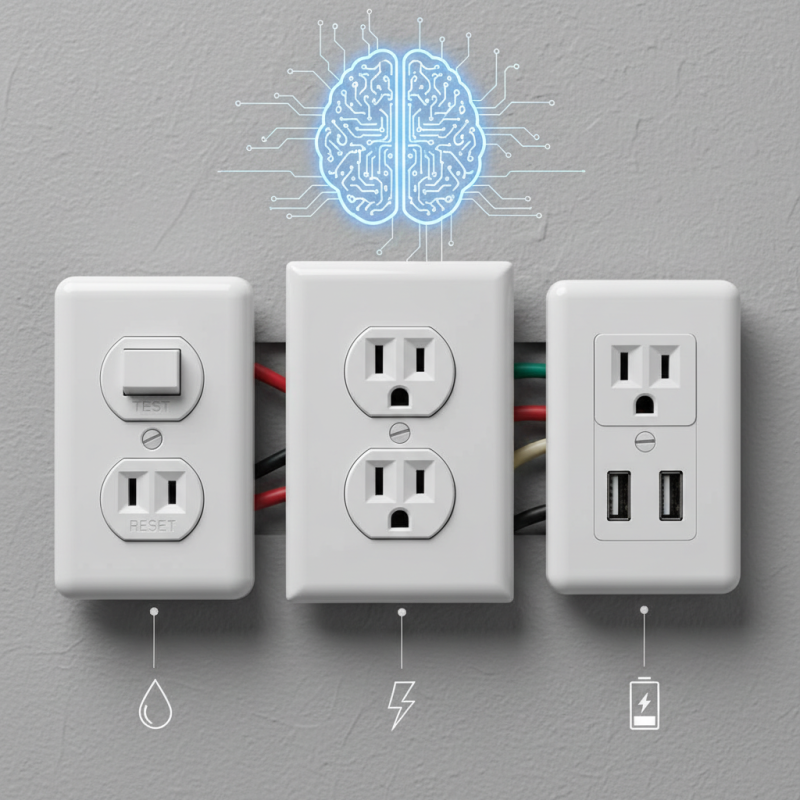
Electrical outlets come in various configurations and ratings. A typical household may encounter standard, GFCI, or USB outlets. Each type serves distinct purposes. For instance, GFCI outlets are essential in wet areas like kitchens and bathrooms. They help prevent electrical shocks. In contrast, standard outlets are versatile for general use.
However, the decision-making process is often overlooked. Many homeowners choose outlets based on appearance rather than functionality. This can lead to safety hazards and inefficiency. It’s vital to assess the power requirements of your devices. Ignoring this could result in overloading circuits and potential damage. Understanding the specific needs of your space is key to making a wise choice in electrical outlet selection.
Understanding Different Types of Electrical Outlets Available
When selecting an electrical outlet, understanding the various types available is crucial. Standard outlets are common in most homes. They typically provide 120 volts and accommodate two or three-prong plugs. On the other hand, GFCI outlets, designed for wet areas, offer extra protection against electrical shock. They are essential in kitchens and bathrooms.
Another important type is the AFCI outlet. These outlets help prevent electrical fires caused by arc faults. They are suitable for bedrooms and living spaces. USB outlets have gained popularity too, allowing direct charging of devices without adapters. This can reduce clutter on your countertop.
Tips: Always assess your device's power needs. Not every outlet suits every appliance. Consider consulting an electrician for installations or upgrades. Ensure outlets meet local codes for safety. Regularly inspect outlets for wear. Replace those that show signs of damage or do not work properly. Choosing the right outlet enhances safety and efficiency in your home.
How to Choose the Right Electrical Outlet for Your Needs? - Understanding Different Types of Electrical Outlets Available
| Outlet Type | Voltage | Amperage | Usage | Special Features |
| Standard Duplex Outlet | 120V | 15A | General household appliances | Two outlets |
| GFCI Outlet | 120V | 15A or 20A | Wet locations (kitchens, bathrooms) | Ground Fault Protection |
| USB Outlet | 120V | 3.1A | Charging devices | Integrated USB ports |
| Tamper-Resistant Outlet | 120V | 15A or 20A | Child safety | Built-in safety mechanism |
| Smart Outlet | 120V | 15A | Home automation | Wi-Fi connectivity |
Evaluating Your Power Requirements and Usage Scenarios
When choosing the right electrical outlet, understanding your power requirements is essential. Different devices have distinct power needs. For instance, a standard outlet usually supports up to 15 amps, suitable for lamps and phone chargers. However, power tools or high-demand appliances often need specialized outlets to function safely and effectively.
Consider how you plan to use each outlet. Are you setting up a home office? You might need multiple outlets for a computer, printer, and other devices. Think about the layout and the number of devices you use regularly. High-wattage appliances require outlets designed to handle their demands, ensuring safety and preventing overloads.
Don’t overlook outdoor usage. Weather-resistant outlets can protect against moisture. Evaluate your current and future needs. Add alternatives like surge protectors for vulnerable devices. Being aware of your situation now can save you headaches later, ensuring everything runs smoothly.
Safety Considerations When Selecting Electrical Outlets
When choosing electrical outlets, safety is paramount. The National Fire Protection Association (NFPA) reports that electrical failures are a leading cause of home fires, accounting for about 13% of all fire incidents. Selecting the appropriate outlet type can significantly reduce these risks. For example, Ground Fault Circuit Interrupter (GFCI) outlets are essential where moisture is present, such as kitchens and bathrooms. They can cut off electricity within milliseconds if they detect a ground fault, preventing severe shocks.
Consider the amperage of your circuits. Most residential outlets are rated for 15 or 20 amps. An outlet that cannot handle the load can overheat, leading to fire hazards. According to the Electrical Safety Foundation International (ESFI), nearly 75% of home electrical fires involve wiring and related equipment failures. Thus, it's crucial to ensure your selected outlets match your power requirements.
Another important point is the placement of outlets. Avoid using extension cords for extended periods, as they can lead to overheating and other dangers. The U.S. Consumer Product Safety Commission emphasizes the importance of installing enough outlets in convenient locations. This encourages safer usage and minimizes the temptation to overload existing ones.
Choosing Between Standard and Specialized Outlets
When selecting electrical outlets, understanding the difference between standard and specialized outlets is crucial. Standard outlets work for most home appliances. They support general household needs like lamps, chargers, and small electronics. However, not all devices fit neatly into this category.
Specialized outlets cater to specific requirements. For instance, kitchens often require GFCI outlets to prevent shock hazards near water. In garages, outlets may need to handle higher amperage for power tools. These considerations are important. A mismatch can lead to insufficient power supply or, worse, fire hazards.
Before making a decision, think about what devices you typically use. Assess your living space and its unique needs. Sometimes, you may find yourself needing a specialized outlet in unexpected areas. It’s wise to consult with an electrician. Their expertise can ensure you choose the right outlet type, enhancing both safety and functionality. Remember, the right choice not only depends on current needs but also future adjustments.
Installation Tips and Best Practices for Electrical Outlets
When it comes to electrical outlets, precise installation is crucial. Understanding the different types is the first step. Standard outlets are great for most home devices. However, specialized outlets exist for specific needs, like GFCI for wet areas or USB outlets for gadgets. Always assess your environment before choosing.
Tips: Always turn off the power at the circuit breaker before starting any installation. Using a voltage tester can prevent accidents. Make sure the outlet is rated correctly for the intended load. If you're unsure about the ampacity, consult a professional electrician. This helps maintain safety and compliance.
Consider your home’s layout too. Outlets should be within reach of commonly used appliances. In kitchens and living areas, place them conveniently. Reflect on factors like furniture placement and future needs. A little planning can prevent frustration later. Remember, not every outlet placement is perfect, and adjustments may be necessary.