How to Choose the Right Chemical Cabinet for Your Needs?
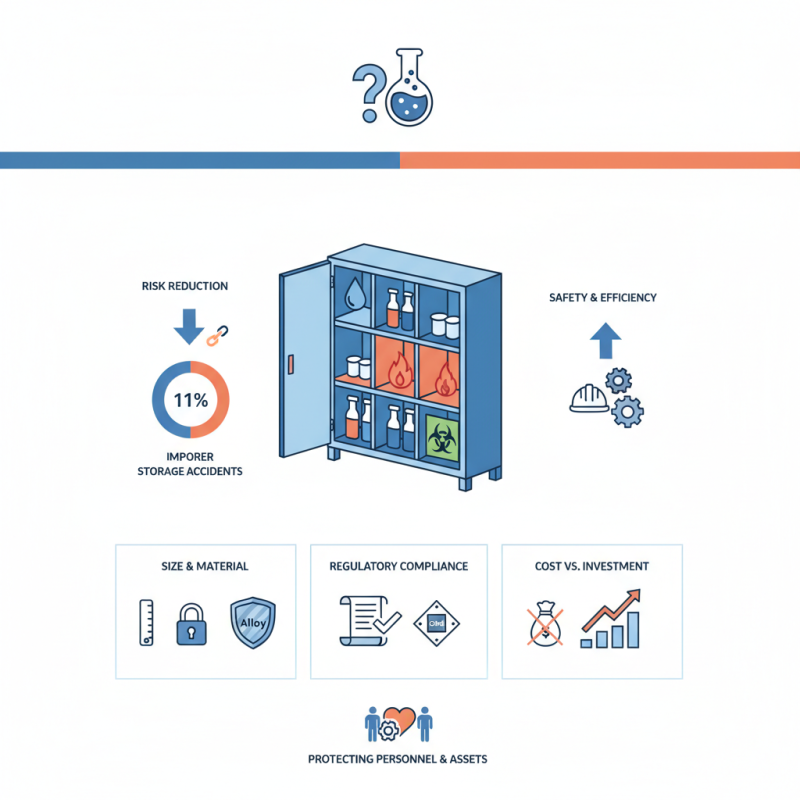
Choosing the right Chemical Cabinet is crucial for any industry handling hazardous materials. According to a report by the National Fire Protection Association, about 11% of chemical-related accidents occur due to improper storage. These incidents can result in severe injuries or even fatalities, highlighting the importance of effective storage solutions.
A well-designed Chemical Cabinet can significantly reduce risks. It should match the specific needs of your operations, whether in laboratories, manufacturing, or healthcare settings. Experts recommend evaluating factors such as size, material, and compliance with safety regulations. For example, corrosive materials require cabinets made of specific alloys or coatings.
However, many businesses overlook essential features. They may shy away from investing in high-quality units for cost reasons. This could lead to greater expenses in the long run due to accidents or regulatory fines. Reflecting on storage practices is vital. The right Chemical Cabinet not only ensures safety but also promotes an efficient work environment. Thoughtful selection is key in protecting both personnel and assets.
Understanding Chemical Cabinets and Their Importance
Chemical cabinets are essential in various industries. They store hazardous materials safely. According to the National Fire Protection Association (NFPA), improper storage can cause over 30% of workplace incidents. Understanding the types of chemical cabinets is key to ensuring safety in the workspace.
When selecting a chemical cabinet, consider your specific needs. Identify the chemicals you will store. Pay attention to compatibility. A well-known industry report indicates that using the wrong cabinet can lead to chemical reactions, resulting in spills or fires.
Tips:
- Ensure the cabinet has proper labels. This helps staff identify contents quickly.
- Regularly inspect your cabinets for signs of damage.
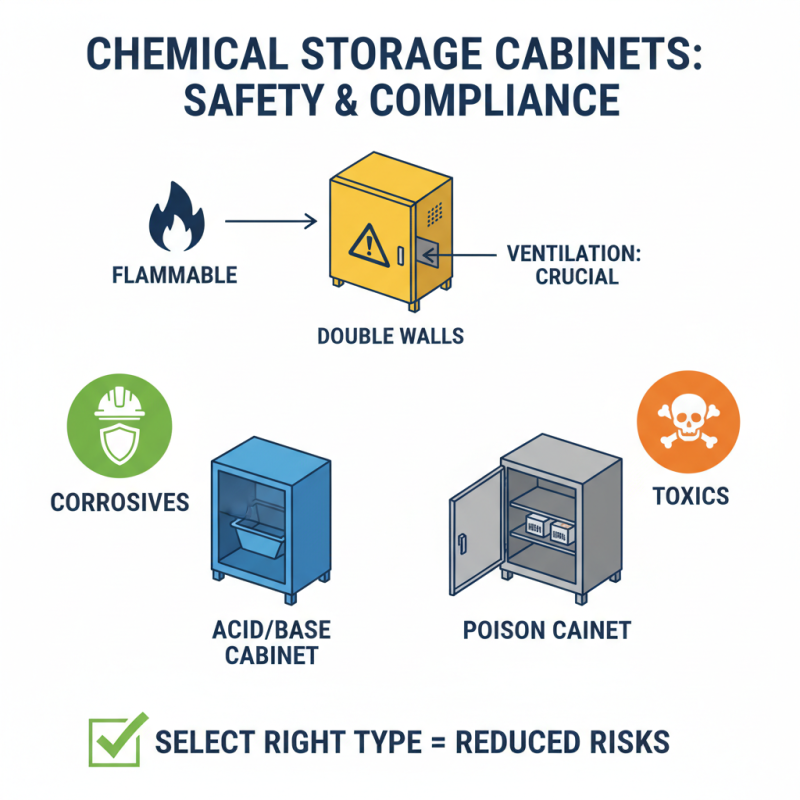
- Don't overlook ventilation; it’s crucial for preventing the buildup of harmful vapors.
- Remember to retrain staff on proper storage practices annually.
Protecting your workplace from hazards requires diligence and attention to detail.
Identifying Your Specific Storage Needs and Requirements
Choosing the right chemical cabinet starts with identifying specific storage needs. Every facility handles various substances, each with distinct requirements. According to a report by the U.S. Occupational Safety and Health Administration (OSHA), improper storage can lead to hazardous situations and accidents.
Assess the types of chemicals you store. Consider their state—liquid, solid, or gas. Different materials also need different cabinet designs. For instance, corrosive substances often require special coatings inside the cabinets. A study by the National Fire Protection Association (NFPA) indicates that the right cabinet can reduce fire risks by up to 60%.
Think about the size and capacity. A cabinet should accommodate your chemicals without overcrowding. Measure your space before purchasing. Many facilities overlook this detail, leading to inefficient use of storage areas. Lastly, ensure that the cabinet meets local and national safety standards. Regularly reviewing your storage needs is essential. Conditions change, and so do regulations. Keep this in mind to ensure ongoing compliance and safety.
Evaluating Different Types of Chemical Cabinets
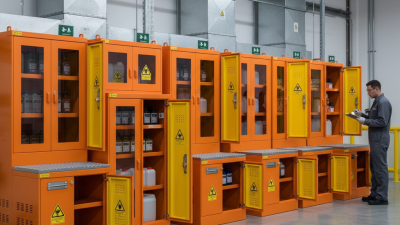
Choosing the right chemical cabinet is crucial for safety and compliance. Various types of cabinets serve different needs. Flame cabinets, for instance, are designed to store flammable materials. These cabinets often have double walls to enhance fire resistance. This feature can be lifesaving, but it’s easy to overlook proper ventilation.
Acid cabinets are another essential type. They are constructed with materials that resist corrosion. This is vital if you store strong acids. However, the color and labeling may fade over time. Regular checks are necessary to ensure visibility and compliance. A cabinet with insufficient visibility can lead to accidents.
Ventilated cabinets provide controlled environments for volatile substances. They often feature built-in fans. However, they may require regular maintenance. Ignoring this can undermine their effectiveness. It's important to consider the layout of your space when selecting a cabinet. Not every cabinet fits every situation. Assessing your specific needs will help you avoid potential hazards in the long run.
Assessing Compliance with Safety Regulations and Standards
When choosing a chemical cabinet, safety regulations are critical. Compliance with OSHA and EPA standards is essential. According to a 2022 report by the National Safety Council, improper storage of chemicals can lead to severe accidents. Around 30% of chemical spills occur due to inadequate containment. Thus, understanding these requirements is not just beneficial; it's vital.
Evaluating cabinet specifications is necessary. Most cabinets must have secondary containment systems. This ensures that spills do not escape the unit. Many industry professionals recommend cabinets with a minimum of 110% capacity of the largest container inside. However, some manufacturers might overstate their capacities. Do thorough research to avoid complacency.
Regular audits are essential for compliance. A study in 2023 found that nearly 40% of facilities failed safety inspections on the first attempt. Poor labeling and storage led to these failures. Revisiting your storage practices can save havoc. Think about ongoing employee training and correct labeling methods. Are your procedures up to date? Reflect to ensure safety remains a top priority.
Factors to Consider in Material and Design Selection
When choosing a chemical cabinet, material and design play crucial roles. Steel cabinets are often more durable than plastic options. According to industry reports, steel can withstand higher temperatures and resist impacts better. On the other hand, polyethylene cabinets are lighter and resistant to many chemicals, making them a popular choice for smaller labs.
Tip: Consider the frequency and type of chemicals used. If flammable liquids are stored, a cabinet with proper ventilation is essential. Cabinets designed with internal shelving also aid in organizing and storing different sizes of containers safely.
Design factors are also significant. A cabinet should comply with safety regulations. Ensure it has proper labeling for easy identification. Some cabinets come with spill containment systems that can help prevent accidents. However, not all models include these features, so double-check.
Tip: Evaluate your space before selection. A bulky cabinet might not fit. Adapt the size and shape to your workspace for both safety and convenience. Reflect on your current and future needs. A cabinet that suits today might not serve tomorrow.
Factors to Consider in Material and Design Selection
This bar chart illustrates the key factors to consider when selecting the right chemical cabinet based on material and design preferences. The data reflects common considerations among users.