How to Choose a Reliable Ammonium Nitrate Fertilizer Supplier

Choosing a reliable supplier for Ammonium Nitrate Fertilizer takes more than comparing prices. Product consistency, clear documentation, and dependable delivery all matter. A shipment may look fine on arrival, yet missing batch details or unclear specifications can make it harder to verify what you received. Small details matter.

A trustworthy supplier should provide current product specifications, a certificate of analysis for the relevant batch, and suitable safety documentation. Check that the company can explain its quality-control process and traceability practices in plain language. Ask how it protects packaging during storage and transport, and whether delivery timelines are realistic for your location. Confirm that the supplier follows applicable requirements in your region; responsibilities can vary, so do not rely on assumptions.

Communication offers useful clues. Are questions answered directly? Are delays reported early? Can the supplier explain discrepancies without brushing them aside? A polished website is not proof of consistent service, and a low quote may exclude costs you expected to be included. Ask for references where appropriate, then compare the answers with your own needs.

Some checks take time. That is worth acknowledging. No supplier can promise a flawless experience, but reliable partners make problems visible and respond with records, practical updates, and accountable support. The guidance ahead outlines what to review before placing an order—and where a buyer should pause and ask again.

How to Choose a Reliable Ammonium Nitrate Fertilizer Supplier

Understanding Ammonium Nitrate Fertilizer and Its Uses

Ammonium nitrate fertilizer supplies nitrogen in two forms: ammonium and nitrate. Many agricultural grades contain about 33–34% nitrogen, though the exact analysis depends on the product. Nitrate is readily available to plants, while ammonium can be retained temporarily in soil. This mix makes the fertilizer useful for crops such as cereals and pasture, but the right choice depends on soil conditions, crop needs, and local advice. Details matter.

The scale of fertilizer use helps explain why product quality deserves attention. FAO’s World Fertilizer Trends and Outlook to 2026 projected global fertilizer consumption at 208.5 million tonnes of nutrients in 2026/27; that figure covers all major nutrients, not ammonium nitrate alone. A reliable supplier should provide a clear nutrient analysis, batch documentation, and a current safety data sheet. Ask how the stated grade is verified, rather than relying only on a label. Still, a tidy specification cannot replace soil testing. That is easy to overlook. Farmers should compare product claims with independent agronomic guidance and local conditions before deciding whether this nitrogen source fits their crop plan.

Defining Your Agricultural and Supply Requirements

Before comparing suppliers, define what your farm actually needs. List the crops, acreage, soil-test results, and expected application dates. Estimate seasonal demand, then allow a modest buffer for weather delays or changing field conditions. The estimate will not be perfect; crop plans rarely stay fixed. Still, a written forecast is more useful than a rushed order.

Check the required nitrogen analysis, product form, and packaging size with a qualified agronomist or local adviser. Ask suppliers about batch documentation, quality checks, delivery windows, and how they handle shortages. Be specific: a delivery arriving after planting may have little practical value. Ask what storage guidance and safety documents accompany each shipment, and confirm your farm can follow them.

Keep records. Compare the full delivered cost, including freight and unloading, rather than focusing only on the quoted price. A dependable supply plan should fit your calendar, equipment, and storage capacity—not just the supplier’s minimum order. It is easy to overlook unloading space until the truck is already booked.

Verifying Supplier Credentials and Regulatory Compliance

When evaluating an ammonium nitrate fertilizer supplier, verify the legal business name, registration status, and operating address against official records. Ask for current product specifications, a safety data sheet, and certificates that identify the same company and product. Check issue and expiry dates. Then contact the issuing body using details found independently, not only those in a sales email. Paperwork can look tidy and still leave questions. Confirm that the supplier understands the rules applying in your location, including applicable licensing, labeling, and transport documentation. Requirements vary, so verify them with the relevant regulator or a qualified compliance professional.

Look for traceable batch records, documented quality checks, and a clear process for handling complaints or product recalls. Where practical, request a site audit or independent assessment. Compare documents with the delivered package label and invoice; mismatched names or dates deserve clarification. Ask who maintains records and how long they are retained. A certificate does not prove every practice. Some checks are imperfect, and it is better to acknowledge that than rely on a polished sales claim. Keep written answers, note unresolved gaps, and pause procurement until the responsible contact can explain them clearly.

How to Choose a Reliable Ammonium Nitrate Fertilizer Supplier - Verifying Supplier Credentials and Regulatory Compliance

Verification Dimension Evidence to Request How to Verify Reliability Indicator
Legal business identity Registered legal name, business address, tax or registration details, and authorized contact information. Check the relevant government business registry and confirm that the details match the sales documents. Records are current and consistent across registration, quotations, invoices, and contracts.
Required licenses and permits Copies or reference numbers for permits applicable to the supplier’s activities and locations. Confirm validity and scope with the issuing authority or official registry. Requirements vary by jurisdiction and activity. Authorizations cover the relevant handling, storage, sale, or distribution activities and have not expired.
Regulatory compliance history Compliance declarations and information about relevant enforcement actions, where publicly available. Consult official regulator notices, inspection records, or public enforcement databases where available. The supplier responds transparently and can explain corrective actions for any documented issues.
Product identity and specification Product specification sheet, current safety data sheet (SDS), and batch-specific certificate of analysis where applicable. Compare product identifiers and stated properties across documents; request clarification of any discrepancies. Documents are dated, internally consistent, and traceable to the product and batch offered.
Safety data and hazard communication Current SDS in the required language and labeling information consistent with applicable hazard-communication rules. Check that the SDS identifies the product, describes relevant hazards, and provides applicable handling and emergency information. Safety information is complete, accessible, and provided before purchase or delivery.
Storage and site safety Evidence of required site approvals, documented safety procedures, staff training, and emergency arrangements. Review available records and, where appropriate, conduct a qualified audit against local requirements. Controls are documented, maintained, and suited to the product and the site’s legal obligations.
Transport and delivery compliance Information on applicable dangerous-goods classification, transport documentation, packaging, and carrier qualifications. Confirm requirements with the relevant transport authority and check that shipment documents are complete and consistent. Transport arrangements follow applicable rules for the route, mode, and jurisdiction.
Traceability and recordkeeping Batch or lot identification, transaction records, delivery records, and a documented process for addressing product issues. Check that a sample record links the product identity to its batch and transaction documentation. Records are legible, retained as required, and can support a timely inquiry or recall.
Quality management Quality procedures, testing records, and details of any independent certification claimed by the supplier. Verify certificates with the issuing body and confirm their scope and validity; do not rely on a logo alone. Quality claims are supported by verifiable, in-scope documentation and routine controls.
Commercial and payment transparency Written quotation, clear product description, delivery terms, payment instructions, and a formal invoice. Confirm payment details through an independently verified business contact and compare them with the contract. Terms are consistent, documented, and free of unexplained changes or pressure to bypass normal checks.
Customer and trade references References from established business customers or relevant trade partners, where available. Contact references independently and ask about documentation, delivery reliability, and issue resolution. References are verifiable and describe consistent, professional business practices.

Due diligence note: Legal requirements for ammonium nitrate products vary by country, region, product classification, quantity, intended use, and business activity. Confirm current obligations with the competent local authorities and qualified safety or legal professionals before entering into a transaction.

Assessing Product Quality, Storage, and Delivery Standards

A reliable supplier should make product quality easy to verify, not merely describe it. Ask for a recent certificate of analysis tied to the exact batch, with nutrient content, moisture, and particle-size data. Compare the figures with the product specification, and confirm that independent testing is available when results seem unclear. Check packaging labels, batch codes, and safety data sheets before placing a large order. Small inconsistencies matter. In practice, a polished brochure proves very little; clear records and prompt answers are stronger signs of sound quality control.

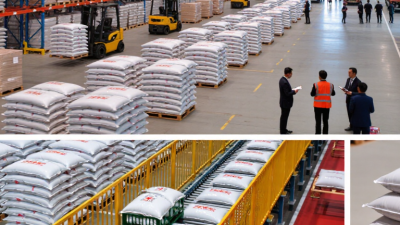
Storage and delivery deserve equal attention. Ask how the product is kept dry, protected from contamination, and separated from incompatible materials, following applicable safety guidance and local requirements. Warehouses should be clean, controlled, and documented. Inspect the delivery plan: intact packaging, legible labels, clean, dry transport, and paperwork matching the batch and quantity. Agree on delivery windows and how damaged bags or delays are reported. Keep records. A supplier may pass every document check yet communicate poorly when plans change; that is worth weighing, not ignoring. I would also ask who handles questions after delivery, because the relationship does not end at the gate.

Comparing Supplier Reliability, Support, and Contract Terms

A reliable ammonium nitrate fertilizer supplier should make verification routine, not a special favor. Ask for current product specifications, batch analysis certificates, and traceable shipment records. Compare consistency across deliveries, not just the quoted price. If a seller cannot explain its quality-complaint process or how it handles delays, take note. Details matter.

Support is easiest to judge before an order becomes urgent. Check whether you can reach a knowledgeable contact and get clear answers within a stated timeframe. Ask how the supplier communicates changes to delivery schedules and product documentation. Useful guidance should reflect local requirements and direct you to authoritative safety information, not promise unrealistic crop results. A vague answer is a warning sign.

Read the contract line by line. Confirm product grade, quantity, delivery window, inspection procedure, payment terms, and who is responsible for freight and compliant storage arrangements. Make sure the agreement explains how shortages, damaged packaging, or quality disputes are documented and resolved. Check cancellation terms and any fees for late changes. If a clause seems unclear, request a written explanation before signing; verbal assurances can be forgotten. Even a well-written contract cannot prevent every delay, but it can make responsibilities easier to verify when something goes wrong.


This website uses cookies. By continuing to browse this site you are agreeing to our use of cookies. Please review our Privacy Policy for more information.