China Best Polymeric Surge Arrester Manufacturers?
Choosing among China Best Polymeric Surge Arrester Manufacturers requires more than comparing prices or product photos. A Polymeric Surge Arrester must protect transformers, distribution lines, substations, and industrial equipment during sudden overvoltage events. Its housing, sealing system, zinc oxide blocks, and connection hardware all influence long-term performance. Small details matter.
This guide examines manufacturers through practical and technical criteria. These include production experience, material control, electrical testing, thermal stability, pollution resistance, and documented quality procedures. Reliable suppliers should explain their arrester ratings clearly. They should also provide test reports, technical drawings, factory information, and traceable inspection records. Field experience adds useful perspective, especially in coastal, high-altitude, dusty, or lightning-prone environments.
“Best” is not always absolute. A manufacturer serving a railway project may not suit a rural distribution network. Product selection depends on system voltage, insulation coordination, installation conditions, and maintenance expectations. Some suppliers may present attractive specifications but provide limited evidence behind them. That deserves careful questioning. This review therefore focuses on verifiable capability rather than marketing language. It considers how manufacturers design, test, customize, and support their products after delivery. The discussion is not a final verdict. It is a practical starting point for engineers, distributors, and procurement teams seeking dependable protection equipment from China. Good documentation helps. Real operating data helps more.
What Are Polymeric Surge Arresters and How Do They Work?
What Are Polymeric Surge Arresters and How Do They Work?
Polymeric surge arresters protect electrical equipment from sudden overvoltage caused by lightning or switching events. Their core usually contains metal oxide varistor blocks, which respond without moving parts. Under normal voltage, the blocks carry only a small leakage current. During a surge, their electrical resistance drops sharply. This creates a controlled path for excess energy to flow safely toward ground.
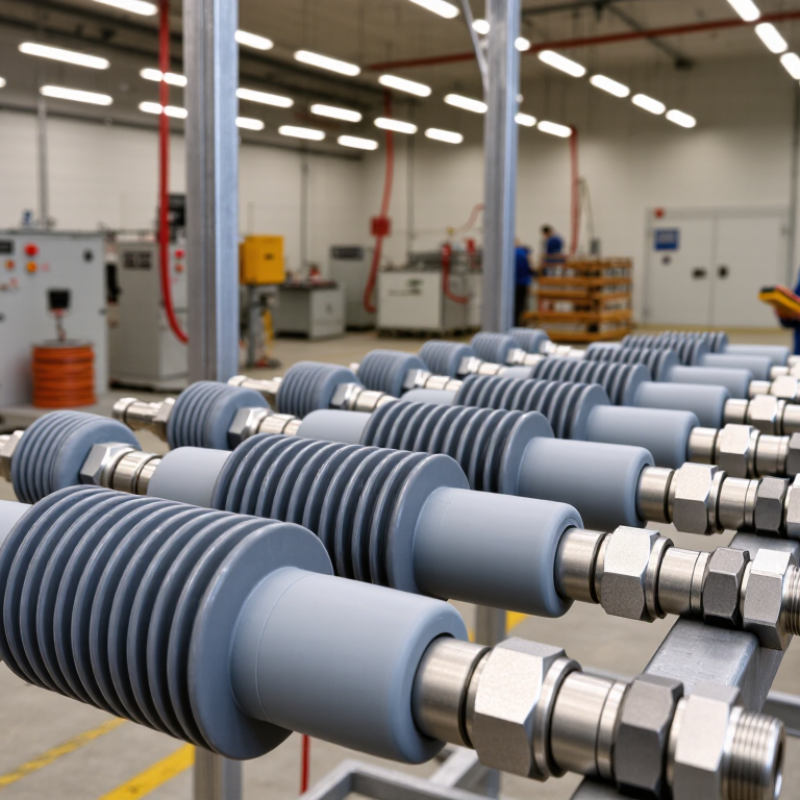
The polymer housing is commonly made from weather-resistant silicone rubber. Its sheds increase the creepage distance and help water run away from the surface. This matters in coastal, dusty, or industrial environments. The housing also reduces the risk of shattering compared with some traditional ceramic designs. Still, polymer does not eliminate maintenance needs.
Selection requires more than checking the system voltage. Engineers should verify continuous operating voltage, discharge class, energy capability, insulation coordination, and grounding quality. A poorly bonded earth connection can limit protection, even when the arrester is correctly rated. Installation records and periodic visual inspections provide useful evidence of field performance. Look for cracks, burn marks, loose connections, or unusual leakage indicators.
No arrester is perfect. Repeated surges can age the varistor blocks gradually, and severe contamination may increase surface leakage. I have found that installation conditions often deserve as much attention as the product datasheet. That practical detail is easy to overlook.
Leading China-Based Polymeric Surge Arrester Manufacturers
Leading China-based polymeric surge arrester manufacturers combine material expertise, production scale, and practical field experience. Their products commonly use zinc oxide varistor blocks inside silicone rubber housings. This design supports compact installation, pollution resistance, and stable outdoor performance.
Reliable manufacturers usually control the process from raw material inspection to final electrical testing. Engineers may check reference voltage, leakage current, sealing quality, and mechanical strength. Testing aligned with IEC 60099-4 can provide useful evidence for buyers. Factory audits also matter. A clean molding area, traceable batch records, and calibrated test equipment reveal more than attractive catalog images.
Site conditions should guide product selection. Coastal substations may require stronger contamination resistance, while high-altitude projects need careful insulation coordination. Experienced suppliers can adjust terminal designs, creepage distances, and mounting accessories for different systems.
They should also explain limitations clearly. No factory is flawless. A supplier may offer excellent electrical testing but weaker after-sales communication. That issue can delay replacement decisions. Buyers should review inspection reports, sample units, warranty terms, and delivery records before placing large orders. Field feedback remains valuable, especially after storms or repeated switching events. Performance on paper is not the whole story.
How to Choose the Best Chinese Supplier for Your Project
Choosing the best Chinese polymeric surge arrester supplier requires more than comparing prices. Match the supplier’s design with your voltage level, insulation coordination, pollution conditions, and installation environment. Ask for test reports, material specifications, and production records. A reliable manufacturer should explain zinc oxide varistor performance clearly, not hide behind general claims. Request recent samples and inspect housing quality, sealing, terminals, and marking details. Small defects matter.
Tips: Visit the factory when possible. Check laboratory equipment, routine testing, and quality records. Confirm whether each unit receives leakage current and sealing tests. Ask about lead times, spare parts, warranty handling, and technical support. Clarify export packaging before signing.
Supplier evaluation should also include project experience and engineering communication. Request references from similar voltage classes or outdoor conditions. Review drawings carefully, especially mounting dimensions and creepage distance. Independent testing can add confidence when the project is critical. Still, no checklist is perfect. I have seen polished documents fail to explain basic inspection procedures. Treat vague answers as a warning. A capable supplier welcomes technical questions and records corrective actions. Confirm production capacity with a realistic schedule, because urgent promises may weaken quality control. Written specifications protect both sides when design changes occur.
China Best Polymeric Surge Arrester Manufacturers? How to Choose the Best Chinese Supplier for Your Project
Suggested procurement weighting for evaluating polymeric surge arrester suppliers. The criteria are based on commonly used engineering, quality-control, and project-delivery considerations rather than company or brand performance data.
IEC 60099-4 compliance and verified electrical test results should receive the highest priority because they directly relate to arrester safety and performance. Routine-test traceability, environmental sealing, delivery capability, after-sales support, and total cost can then be compared using documented evidence such as test reports, inspection records, production lead-time data, warranty terms, and commercial quotations.