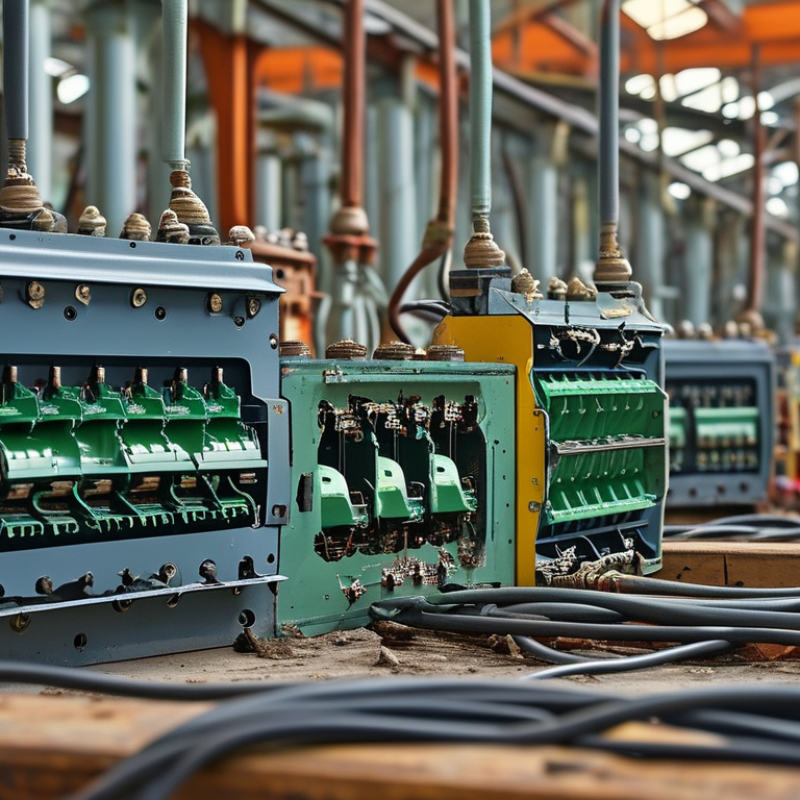
What is Capacitor Duty Contactor and How Does it Work?
The Capacitor Duty Contactor plays a vital role in electrical systems. It is essential for managing power distribution effectively. This device is specifically designed for controlling capacitor banks, which improve power factor and efficiency.
When capacitors are switched on or off, high inrush currents can occur. A Capacitor Duty Contactor is built to handle these surges without damage. This specialty ensures reliability in various applications, from industrial settings to commercial buildings.
Understanding how a Capacitor Duty Contactor functions reveals its importance. Its design allows for quick operation, minimizing downtime. However, improper use can lead to system inefficiencies. Exploring its components and functionality can foster better practices in electrical management.
What is a Capacitor Duty Contactor?
A capacitor duty contactor is designed to switch capacitor banks on and off in various electrical systems. These devices play a critical role in power factor correction and voltage regulation. Typically used in industrial applications, they handle high inrush currents when capacitors are connected to the circuit. This unique characteristic requires specialized components and careful engineering.
Recent reports indicate that the global capacitor duty contactor market is projected to grow significantly, driven by the increasing demand for energy-efficient systems. Capacitor banks are vital in improving the overall efficiency of electrical networks, helping reduce energy losses. Data suggests that well-designed contactors can improve system efficiency by up to 10%. This enhancement can result in substantial cost savings, especially for large-scale manufacturing plants.
However, the choice of contactor is crucial. Incorrect selections can lead to operational failures or safety issues. It's essential to consider factors such as voltage ratings, operating cycles, and thermal management. While many opt for standardized solutions, custom designs might be necessary for unique applications. Companies must regularly review their contactor setups to ensure optimal performance. Poor maintenance practices or outdated components can significantly hinder efficiency and reliability.
Key Components of a Capacitor Duty Contactor
A capacitor duty contactor is designed to manage capacitive loads safely and efficiently. Its primary role is to control the connection and disconnection of capacitors in electrical systems. This is crucial for reactive power compensation and voltage regulation. To understand how it functions, one must look at its key components.
The main components include the coil, contacts, thermal overload relay, and auxiliary contacts. The coil energizes the contactor, creating a magnetic field. This field pulls the contacts together, allowing electricity to flow. Thermal overload relays protect the circuit from excessive currents. They disconnect the contactor when the temperature exceeds safe limits. Auxiliary contacts provide additional control functions within the circuit, enhancing safety.
Communication failures can occur if components aren't correctly aligned. Misapplication of the contactor leads to inefficient operation. Regular maintenance is essential to identify these issues early. Inspecting components ensures they remain functional. Even experienced technicians can overlook small details, leading to costly errors. Ensuring each part works harmoniously is key for optimal performance in capacitor duty contactors.
How a Capacitor Duty Contactor Operates
Capacitor duty contactors are crucial for managing capacitor banks in industrial applications. Their primary function is to switch capacitor circuits on and off during operations. A well-designed contactor can significantly improve power factor and reduce energy costs. According to a report by the Electric Power Research Institute, proper use of capacitor duty contactors can enhance system efficiency by up to 30%.
The operation of a capacitor duty contactor involves rapid switching capabilities. It engages capacitors when the system requires reactive power, optimizing voltage levels. Contactors are built to handle high inrush currents, which occur when capacitors are energized. This capability is essential for preventing equipment damage. Research indicates that poor capacitor management can lead to increased wear on electrical components, raising maintenance costs.
While capacitor duty contactors are effective, they are not without challenges. Ensuring correct sizing and specifications is key; improper rankings can lead to premature failures. Data shows that a significant percentage of Capacitor Contactors fail due to mismatched ratings. Regular inspections and tests are recommended to identify potential issues early, thus extending equipment lifespan. The future of capacitor management may see enhanced technologies to improve wear monitoring and operational efficiency.
What is Capacitor Duty Contactor and How Does it Work? - How a Capacitor Duty Contactor Operates
| Dimension | Details |
| Function | Controls and switches capacitor banks in power factor correction applications. |
| Operation Mechanism | Utilizes relays and contactors to control the energizing and de-energizing of capacitors. |
| Typical Voltage Rating | Up to 690V AC |
| Current Ratings | Ranges typically from 25A to 400A |
| Installation Environment | Indoor and outdoor applications available, designed for industrial settings. |
| Key Benefits | Improves energy efficiency, reduces electricity costs, prevents capacitor damage. |
| Maintenance Requirements | Regular inspections and testing advised to ensure optimal operation. |
Applications of Capacitor Duty Contactors in Electrical Systems
Capacitor duty contactors play a crucial role in electrical systems, specifically for capacitor banks. These devices help control the charging and discharging of capacitors, ensuring efficient power factor correction. They ensure that capacitors operate effectively, minimizing energy losses in power distribution. One of their primary applications is in industrial settings, where they manage large capacitor banks.
In commercial buildings, these contactors provide stability and efficiency. They help maintain the ideal power factor, which reduces electricity costs and improves system reliability. For instance, when inductive loads increase, capacitor duty contactors automatically engage to provide necessary reactive power. However, they must be properly sized and rated. Improper selection can lead to premature failures.
The use of capacitor duty contactors in renewable energy systems is also gaining traction. As more facilities invest in solar or wind energy, these devices help optimize the power output. They manage fluctuations in energy generation, enhancing grid stability. Still, it’s essential to regularly inspect and test these contactors. Inadequate maintenance may result in unexpected outages or performance issues.
Benefits of Using Capacitor Duty Contactors in Power Management
Capacitor duty contactors are essential for efficient power management. They play a significant role in industrial and commercial applications, particularly in managing capacitor banks. These contactors operate reliably under high inrush currents, ensuring that capacitors function optimally.
Using capacitor duty contactors offers several benefits. They enhance power factor correction, which reduces energy costs. A study by the International Energy Agency highlighted that a well-managed power factor could save up to 30% on electricity bills. Reliable capacitors improve system voltage stability. Without them, voltage fluctuations can damage sensitive equipment, leading to costly repairs or downtime.
Tips: Regularly inspect contactor settings and functionality. Ensure they match your capacitors' ratings for safety and efficiency.
Another critical aspect is their role in reducing harmonic distortion. Poor power quality can lead to inefficiencies and increased wear on electrical systems. According to IEEE studies, harmonics can increase operational costs by 10% or more. Proper use of capacitor duty contactors can mitigate this issue, promoting better long-term performance.
Tips: Monitor power quality regularly and adjust systems as needed. Small changes can yield significant benefits.
Capacitor Duty Contactors Performance Analysis