How to Buy Hydrochloric Acid Safely and Effectively?
Hydrochloric acid is a powerful chemical widely used in various industries. However, buying it safely requires knowledge and caution. Dr. Emily Carter, a leading chemist and expert in chemical safety, once said, "Understanding the risks and proper handling of hydrochloric acid is paramount for any buyer." This highlights the importance of being informed when purchasing this potent substance.
When considering the acquisition of hydrochloric acid, factors such as concentration, packaging, and safety measures are crucial. Before making a purchase, assess the supplier's reputation. Reliable vendors provide clear safety data sheets (SDS) and are transparent about their products. Moreover, remember that inadequate knowledge can lead to dangerous situations.
Storage and handling are equally important. Use appropriate containers and protective equipment to minimize risks. Reflect on this: many accidents occur due to careless handling. Familiarity with safety protocols can save lives. Ultimately, the goal is not just to buy hydrochloric acid, but to ensure safety and effectiveness throughout its use.

Understanding Hydrochloric Acid: Properties and Uses
Hydrochloric acid, also known as muriatic acid, is a colorless solution of hydrogen chloride in water. It possesses strong acidic properties and is widely used in various industries. Its pH level typically hovers around 1, making it incredibly corrosive. In industry, it acts as a cleaning agent, pH regulator, and even aids in the production of chlorides. According to a recent industry report, the demand for hydrochloric acid is expected to grow steadily, primarily driven by its applications in metal processing and water treatment.
Handling hydrochloric acid requires caution. Its potential hazards include severe burns and respiratory issues upon exposure. Proper safety measures are essential. The Occupational Safety and Health Administration (OSHA) recommends using protective gear such as gloves and goggles. Despite these precautions, mishaps can occur. A significant percentage of workplace injuries stem from improper handling of chemicals. Acknowledging these risks is crucial for ensuring safety.
The versatility of hydrochloric acid is noteworthy. It is employed in food processing to regulate acidity and in laboratories for various reactive processes. Yet, its efficacy requires a balanced approach. Overuse can lead to environmental concerns, such as water pollution. The challenge lies in using hydrochloric acid effectively, without causing harm. Continuous education on safe practices remains vital in mitigating potential dangers.
Hydrochloric Acid Uses in Various Industries
Identifying Reliable Suppliers for Hydrochloric Acid
When buying hydrochloric acid, finding reliable suppliers is crucial. The chemical industry experiences fluctuations in supply and demand, underscored by the 2020 market data, which indicated a 15% increase in hydrochloric acid exports. This volatile market makes it essential to partner with trustworthy suppliers. Researching potential vendors can save you time and enhance safety.
Consider checking industry certifications. Suppliers should comply with ISO standards. Verified compliance assures you of consistency in product quality. Look for suppliers who provide detailed safety data sheets (SDS) and product specifications. This transparency indicates a commitment to safety and professionalism. Some reports suggest that 70% of accidents arise from improper handling of chemicals. A well-informed partnership can significantly reduce these risks.
Inspect the supplier's customer reviews and industry standing. Online reviews can offer insights into their reliability. Engage in conversations with their representatives to gauge their expertise. Suppliers willing to answer your questions demonstrate reliability. Long-term partners are often more accommodating, providing better deals.
Accessing hydrochloric acid safely requires diligence. Always prioritize suppliers with safety protocols in place. Developing relationships with reliable company representatives can ease future transactions.
Safety Precautions When Handling Hydrochloric Acid
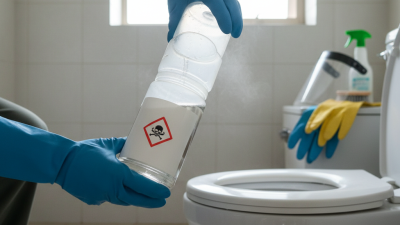
Handling hydrochloric acid requires strict safety measures. This strong acid can cause severe burns and respiratory issues if not managed properly. Always wear appropriate protective gear. This includes gloves, goggles, and a lab coat. Ensure you work in a well-ventilated area. A fume hood is ideal for containing any harmful vapors.
Store hydrochloric acid securely, away from incompatible substances. Label the container clearly, stating its contents and hazards. Keep it in a cool, dry place, out of reach of children and pets. Before handling, familiarize yourself with the Material Safety Data Sheet (MSDS) for severe risk details.
When pouring the acid, do it slowly to avoid spills. Use a funnel if necessary. If a spill occurs, neutralize it immediately with a suitable base, such as baking soda. Always have a first aid kit nearby. Know how to respond if someone is exposed to the acid. Training and awareness can make a significant difference in handling this hazardous material safely.
Proper Storage and Disposal of Hydrochloric Acid
When handling hydrochloric acid, proper storage and disposal are crucial for safety.
Store hydrochloric acid in a cool, well-ventilated area away from direct sunlight.
Use containers made of materials that resist corrosion. Glass or certain plastics are ideal.
Ensure the area is marked with clear warning signs to alert others.
Close the container tightly after each use to prevent spills and accidental exposure.
Keep the substance in an area inaccessible to children or pets. Evaluate your storage regularly.
Look for leaks or deterioration in the container. If you notice anything unusual, take action immediately.
Disposing of hydrochloric acid requires care. Never pour it down the drain or mix it with other substances without consulting local regulations.
Dilute it with plenty of water before disposal. Always check with a hazardous waste facility for proper disposal methods.
They can provide guidance based on your local laws and regulations. Remember, it's important to stay informed.
Regularly review your procedures. Ensure that you’re following best practices for both storage and disposal to maintain a safe environment.
Legal Regulations Surrounding Hydrochloric Acid Purchases
When purchasing hydrochloric acid, understanding legal regulations is crucial. Different regions have varying laws. Some jurisdictions require a permit. Others impose age restrictions. Knowing your local regulations can prevent legal issues.
Transporting hydrochloric acid can pose risks. Ensure you are aware of safe packaging. Labels must detail hazardous materials. Check for required documentation when buying. This applies whether you purchase for industrial or personal use.
A few recommendations can enhance safety. Always wear protective gear while handling acid. Use proper storage containers with tight seals. Ensure your storage area is well-ventilated and secure. Clear information about emergency measures should be accessible. By adhering to regulations and safety tips, you can navigate hydrochloric acid purchases effectively.