What is the Best Longpass Filter for Global Buyers?
Choosing the right Longpass Filter is crucial for many applications. Buyers face a vast array of options. Each filter varies in quality, wavelength range, and price. Understanding these differences is key to making an informed choice.
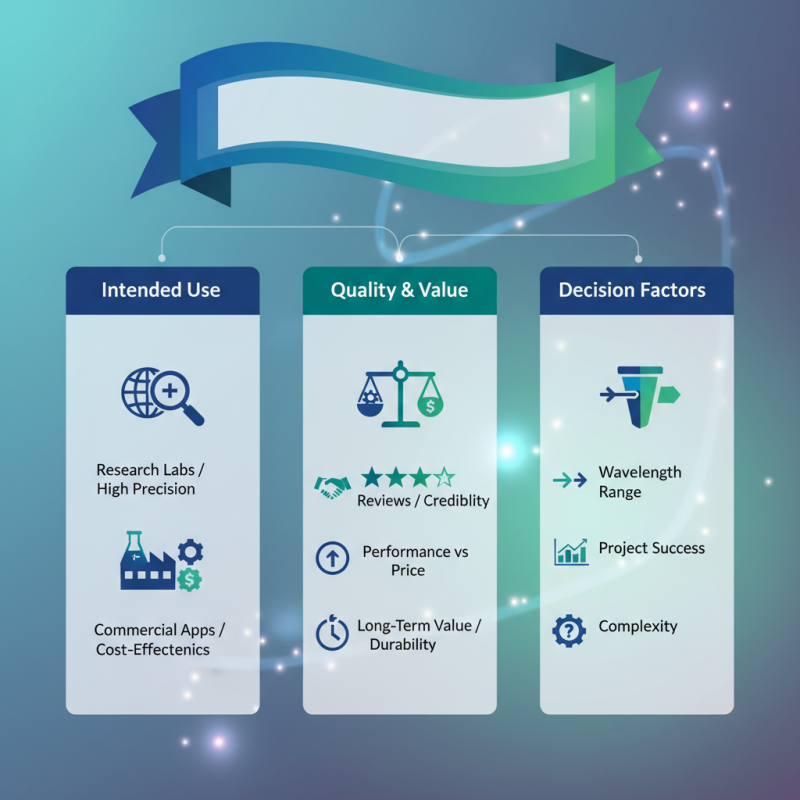
Consider the intended use of the Longpass Filter. Different industries have different needs. For example, research labs may require high precision. In contrast, commercial applications might prioritize cost-effectiveness. Knowing your requirements helps narrow down the options.
Quality is often a balance of price and performance. Some filters may seem cheaper but lack durability. Others may promise high performance yet come at a premium. It's essential to evaluate reviews and manufacturer credibility. Buyers should also reflect on long-term value. A well-chosen Longpass Filter can enhance overall project success. This decision-making process is not always straightforward.
Understanding Longpass Filters: Definition and Functionality
Longpass filters, also known as longwave filters, serve a vital role in optical applications. They allow light above a certain wavelength to pass while blocking shorter wavelengths. This functionality is critical in various industries, including photography, astronomy, and scientific research.
Understanding the basic principles behind longpass filters can greatly enhance their application. The filters typically consist of a substrate coated with a material that selectively absorbs specific wavelengths. For example, in medical imaging, longpass filters help in identifying certain colors in tissue samples. This application showcases the filter's importance in enhancing contrast and clarity.
Choosing the best longpass filter involves considering factors like transmission range, durability, and optical quality. While many options exist, buyers should pay attention to the specifications. However, not all filters perform equally in diverse environments. It's essential to evaluate the filter's performance under different conditions. This evaluation may highlight potential weaknesses that need addressing.
Key Specifications to Consider When Choosing Longpass Filters
When selecting a longpass filter, key specifications play a significant role in performance. Understanding the transmission range is crucial. Filters reject light below a specific cutoff wavelength, ensuring precision in various applications. According to a recent industry report, an optimal transmission rate should be above 90% at the nominal wavelength. This is essential for maximizing the efficiency of your optical systems.
Another consideration is the filter thickness. Thicker filters can achieve better blocking, yet they may introduce unwanted aberrations. A study found that a thickness of around 1 mm provides a good balance of performance and practicality. Users should also consider the material used in manufacturing, as different substrates affect the filter's durability and optical quality.
Tips: Always test filters under real-world conditions. This can reveal unexpected issues, like minor shifts in wavelength. Consult technical datasheets to compare specifications before making a decision. Small discrepancies can lead to significant variations in outcomes. Keep in mind that user feedback is invaluable when assessing reliability and long-term performance.
Top Brands and Their Longpass Filter Offerings for Global Buyers
When choosing a longpass filter, global buyers can benefit from knowing the top brands and their specific offerings. These filters are essential in many applications, from photography to scientific research. A well-designed longpass filter will effectively block unwanted wavelengths while allowing desired light to pass through. Brands vary in terms of quality, durability, and price, so it’s essential to evaluate each option carefully.
Consider these tips when selecting a longpass filter. First, assess the intended application. Will it be used in a laboratory setting, or for outdoor photography? Different settings may require diverse specifications. Second, look for quality materials. The filter's construction will affect its performance and longevity. Glass filters are often more durable compared to plastic ones. Lastly, keep your budget in mind. While higher price tags may indicate better performance, cheaper options can also work adequately for less demanding scenarios.
Buyers should be aware of potential compromises. Some filters might not achieve their promised specifications. Users may find variations in transmission rates across different wavelengths. Always read reviews and check sample results when feasible. This helps ensure a reliable purchase that meets your needs without overspending. As you navigate the options, continuous evaluation of your requirements is crucial.
Best Longpass Filters for Global Buyers
Application Areas of Longpass Filters in Various Industries
Longpass filters play essential roles in various industries, including biomedical applications, environmental monitoring, and telecommunications. In biomedical fields, these filters are crucial for selecting specific wavelengths necessary for imaging and diagnostics. They enhance the contrast in medical imaging systems and are vital for fluorescence microscopy. Proper selection of a longpass filter can significantly improve the accuracy of results.
In environmental monitoring, longpass filters are used to assess light pollution and analyze air quality. These devices help scientists filter out unwanted wavelengths, making it easier to evaluate specific pollutants. However, challenges arise in selecting the appropriate filter for varying environmental conditions. Distinguishing between similar wavelengths can sometimes lead to misinterpretations and inaccurate data.
Telecommunications also benefits from longpass filters by enhancing signal clarity. They assist in minimizing noise during data transmission. However, not all filters perform equally in different settings. Some may have varying levels of efficiency depending on the wavelength of light being transmitted. Buyers should be aware of the specific application requirements and limitations of different longpass filters to avoid costly mistakes.
Comparative Analysis of Price and Performance for Popular Longpass Filters
When selecting a longpass filter, performance and price are crucial factors for global buyers. A longpass filter allows longer wavelengths to pass through while blocking shorter wavelengths. This property is essential in various applications, including spectroscopy and camera systems. Buyers should carefully compare different filters based on their optical characteristics and costs.
Understanding the operational environment can reveal more about filter effectiveness. Noise levels can significantly impact performance. Many filters showcase impressive specifications on paper, but practical results may differ. It’s not uncommon for users to find that cheaper filters fail to deliver expected performance in real-world settings.
While some options reflect high quality, they often come with steep price tags. Buyers should consider not only the initial cost but also the longevity and reliability of the filter. Engaging with expert reviews and user experiences can provide valuable insights. Some filters might offer superior performance but require careful calibration to achieve optimal results. Thus, evaluating both price and performance in a broader context is essential for informed purchasing decisions.