Top 10 Benefits of Using Ion Batteries in Modern Technology?
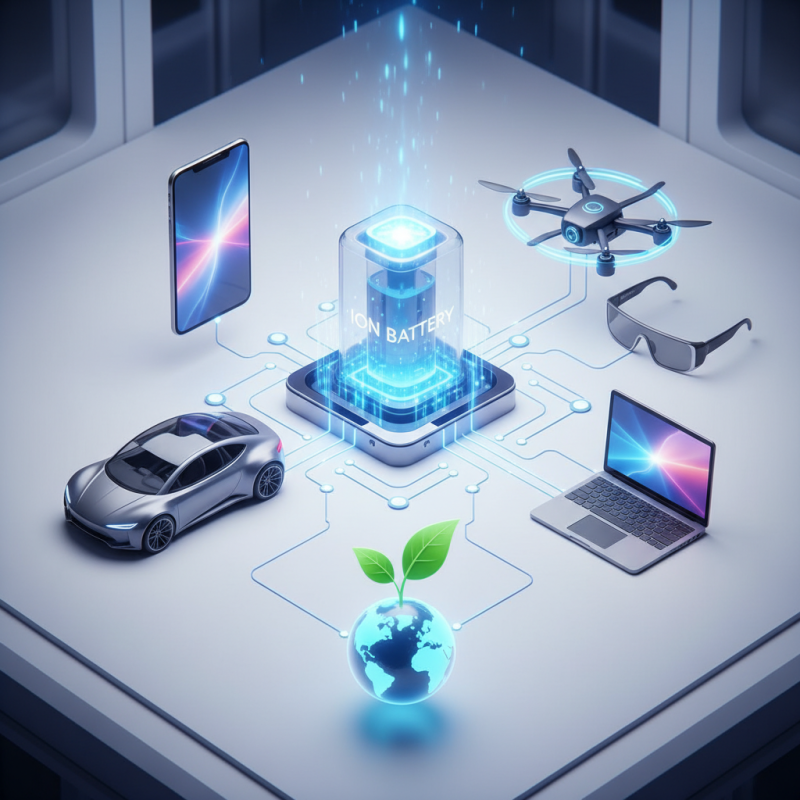
The rise of the Ion Battery marks a significant shift in modern technology. These batteries offer numerous advantages that enhance efficiency and performance. With their lightweight and compact design, Ion Batteries are ideal for portable devices. They provide a longer lifespan and faster charging times compared to traditional batteries.
Innovative products, from smartphones to electric vehicles, rely heavily on Ion Batteries. Their ability to store more energy allows for extended usage. However, the environmental impact of lithium extraction raises concerns. It's important to evaluate the life cycle of these batteries critically. Balancing aesthetics and functionality, Ion Batteries continue to revolutionize technology.
Advantages of Ion Batteries in Energy Storage Solutions
Ion batteries are transforming energy storage solutions in modern technology. These batteries have high energy density, which allows them to store more power in smaller devices. According to a 2022 report by the International Energy Agency, the global lithium-ion battery market is expected to grow by 25% annually. This growth underscores the increasing reliance on ion batteries in various sectors.
One significant advantage of ion batteries is their longevity. Studies indicate that many lithium-ion batteries can last over 10 years with proper care. They charge quickly, often reaching 80% capacity in just 30 minutes. However, not all ion batteries perform equally. This inconsistency can lead to frustration among users. Additionally, temperature variations can negatively impact battery performance.
Recycling remains a challenge for ion batteries. While several initiatives promote sustainable practices, only about 5% of batteries are currently recycled efficiently. This low rate emphasizes the need for better systems. As we advance, addressing these issues will be vital for the sustainable future of energy storage. The benefits are clear, but so are the challenges that require careful consideration.
Enhanced Performance and Efficiency of Ion Batteries in Devices
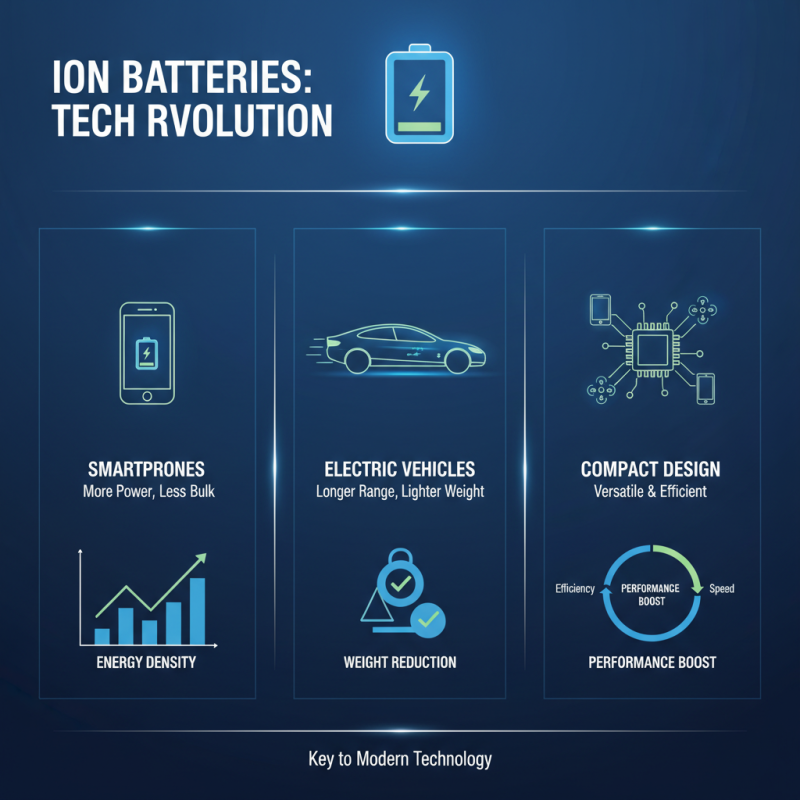
Ion batteries have transformed modern technology by enhancing performance and efficiency across various devices. These batteries offer higher energy density compared to traditional options. They pack more power into a smaller volume, making them ideal for smartphones and electric vehicles. This compact design not only saves space but also reduces the weight of devices.
Moreover, ion batteries charge quickly. Many users appreciate the convenience of fast charging features in their gadgets. However, not all charging stations are compatible, which can be frustrating. Users still face issues with battery life over extended use. Not every device optimally utilizes the battery's capacity. Over time, some batteries degrade faster than expected, impacting performance.
Despite these challenges, the overall impact of ion batteries is substantial. Their efficiency means devices can operate longer on a single charge. As technology advances, new materials and designs are being explored to improve these batteries even further. Yet, there's always room for improvement. Balancing performance, safety, and longevity remains a key concern for manufacturers and users alike.
Environmental Benefits of Utilizing Ion Batteries
The environmental benefits of ion batteries are significant. These power sources have a lower carbon footprint compared to traditional batteries. According to a report by the International Energy Agency, producing lithium-ion batteries generates 80% less CO2 emissions than lead-acid batteries. This reduction plays a crucial role in fighting climate change.
Moreover, ion batteries are recyclable. Studies indicate that up to 90% of battery components can be recovered and reused. This process reduces the need for raw materials and minimizes waste. However, the recycling infrastructure is still developing in many regions, which raises concerns about sustainability and efficiency.
Furthermore, ion batteries help reduce reliance on fossil fuels. As the world shifts to renewable energy, batteries are vital. They store solar and wind energy for later use, enhancing energy security. Yet, challenges remain. The mining of lithium can lead to ecological destruction. Striking a balance between usage and environmental protection is essential.
Cost-Effectiveness of Ion Batteries in Long-Term Use
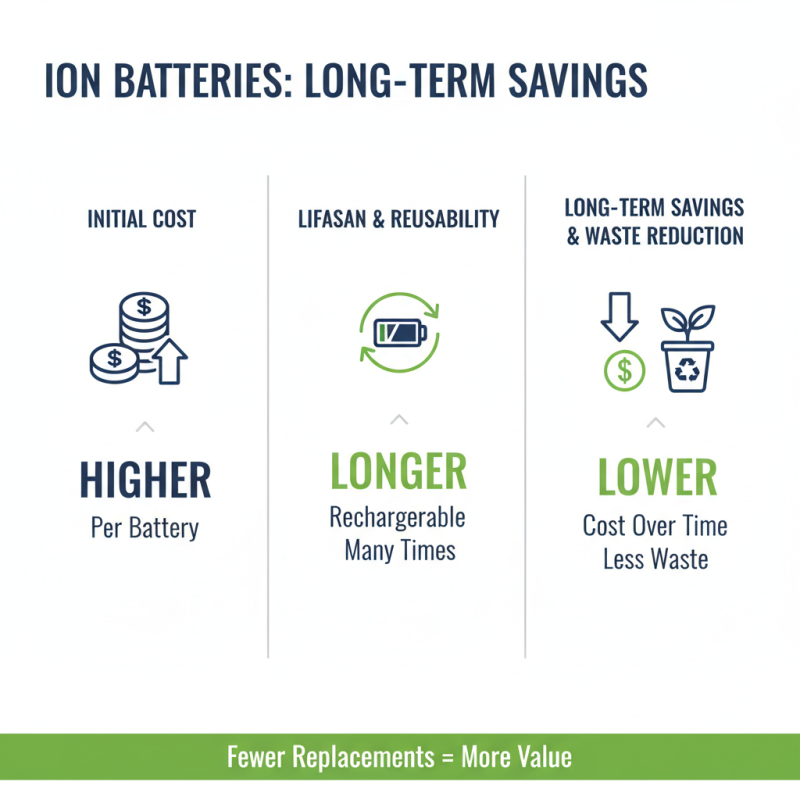
The cost-effectiveness of ion batteries is evident in their long-term use across various devices. Rechargeable and reusable, they reduce costs over time compared to disposable batteries. While the initial purchase price might be higher, the extended lifespan compensates for this. Fewer replacements equal less waste in the long run.
Consider electric vehicles or smartphones that utilize ion batteries. The ability to charge and use multiple times cuts down on expenses. However, users should be aware of potential degradation over years. Performance can decline, requiring adjustments. Regular maintenance can help in maximizing longevity.
On a larger scale, adopting ion batteries in homes reduces reliance on traditional energy sources. Solar panels paired with ion batteries increase savings. This combination stores energy for later use, reducing electricity bills significantly. Yet, this transition demands an initial investment and thorough research to optimize performance. The benefits are substantial, but users must engage proactively in their upkeep.
Applications of Ion Batteries Across Various Industries
Ion batteries have become crucial in various industries, transforming the way technology operates. In consumer electronics, these batteries power smartphones, tablets, and laptops. They provide efficient energy storage while being compact. This technology enables devices to become lighter and more portable.
In the automotive sector, ion batteries drive electric vehicles (EVs). They offer enhanced range and faster charging times. However, challenges remain. Battery lifespan and sustainability need attention. This prompts ongoing research into recycling methods and renewable materials.
Healthcare is another field benefiting from ion battery technology. Medical devices, such as portable monitors and diagnostic tools, rely on these batteries. They ensure reliability in critical situations. Yet, the dependency on these batteries raises concerns about power outages. Continuous improvements are essential for maintaining high standards. The balance between innovation and sustainability is a topic worth discussing.