Top 10 Benefits of Installing an Airport Fence?
An airport fence plays a crucial role in maintaining the safety and security of air travel. Airports are complex environments. They require strict measures to protect both passengers and aircraft. An effective airport fence acts as the first line of defense. It deters unauthorized access while allowing for controlled entry points.
Installing an airport fence offers numerous benefits. For instance, it enhances security by preventing trespassers. With a solid barrier, security personnel can respond swiftly to breaches. Additionally, an airport fence helps manage wildlife. Animals can pose significant hazards to flight operations. A sturdy fence minimizes these risks effectively.
While the advantages are clear, one must reflect on the costs involved. Maintaining a secure airport fence requires ongoing investment. Regular inspections, repairs, and upgrades are necessary. Striking a balance between budget and safety is essential. Awareness of these challenges can lead to better infrastructure decisions. Ultimately, an airport fence is vital for secure aviation operations.
Benefits of Enhanced Security Provided by Airport Fencing Systems
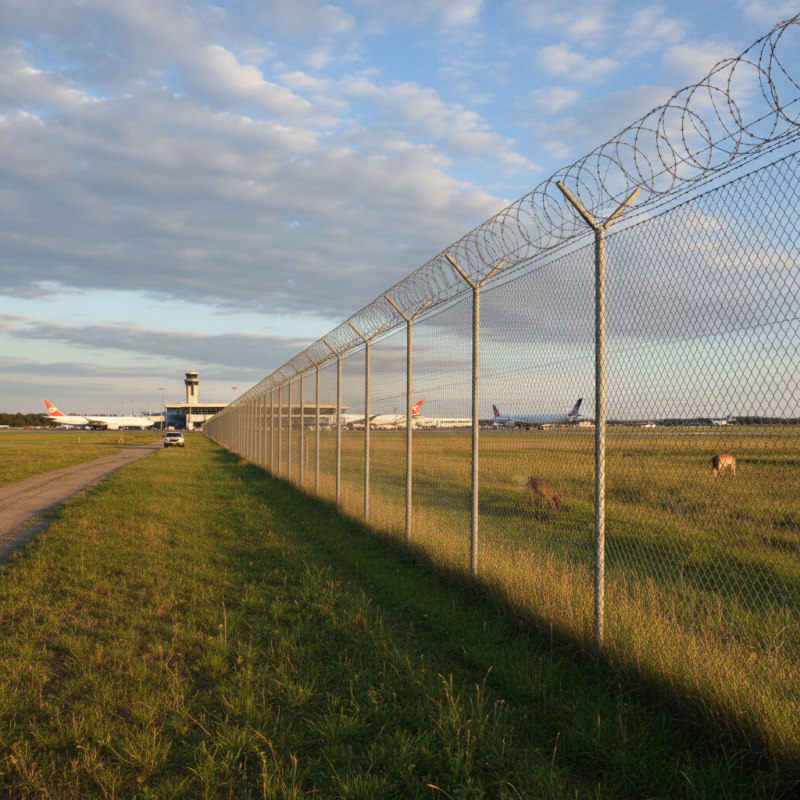
Airport fencing systems significantly enhance security. They deter unauthorized access to the airside and protect valuable assets. With a proper fence in place, the risk of security breaches decreases. Controlled entry points can monitor who enters and exits. This ensures that only authorized personnel access restricted areas.
Tips: Regular maintenance of the fence is crucial. Inspection checks can help identify weak spots. Pay attention to entry gates; they should function properly. Also, consider adding surveillance cameras for increased monitoring. Lighting along the fence line can act as a deterrent too.
However, security measures are never foolproof. Some may find ways around physical barriers. This fact necessitates ongoing evaluation of security strategies. Are the systems in place effective enough? Engaging with law enforcement can provide valuable insights. Keeping security measures up to date is vital for reinforcing the overall safety of the airport.
Reduction of Wildlife Intrusions to Improve Flight Safety Metrics
Installing an airport fence offers many advantages. One major benefit is the significant reduction of wildlife intrusions, which enhances flight safety. Airports often find themselves near habitats where animals thrive. This proximity can lead to dangerous wildlife encounters during takeoff and landing.
A well-structured fence can effectively deter animals from accessing airport grounds. It helps prevent birds and other wildlife from wandering onto runways. This creates a safer environment for both aircraft and passengers. Many airports have reported fewer incidents and improved safety metrics after installing fences. However, the effectiveness of these measures can vary based on terrain and local wildlife behaviors.
Despite these advantages, challenges still exist. Some animals can find ways around standard fences. Regular inspections and maintenance are necessary, yet this can be overlooked. The balance between safety and wildlife protection requires ongoing attention. It’s vital for airports to adapt their strategies over time, learning from experiences to improve overall safety further.
Compliance with FAA Regulations and International Aviation Standards
Installing an airport fence is crucial for security. It plays a vital role in compliance with FAA regulations and international aviation standards. The fence safeguards sensitive areas of the airport. It also deters unauthorized access. This enhances overall safety. The presence of a sturdy fence reassures passengers.
FAA regulations demand clear demarcation of secure zones. An effective fence helps achieve this. Airports must ensure the fence meets specific height and design standards. The materials used should withstand weather and potential vandalism. Regular inspections are needed to maintain compliance. This can be a challenge, as wear and tear are common.
Tips: Choose materials carefully. Strong, durable options are essential. Consider blending aesthetics with strength. Also, install proper signage. Clear indicators of restricted areas are crucial. Regularly review your security measures. It's important to adapt to changing needs.
An airport fence is more than just a barrier. It symbolizes safety and order. Ensuring compliance is an ongoing effort. Over time, it may reveal areas for improvement. Keep learning and adjusting to stay on top.
Cost-Effectiveness of Long-Term Airport Operations with Fencing Solutions
Installing an airport fence offers significant cost-effectiveness for long-term operations. According to the Airports Council International, security breaches can lead to losses exceeding $1 million per incident. By investing in robust fencing solutions, airports reduce the risk of such costly events, ensuring safer operations.
A solid perimeter fence provides more than just security. It can also lower maintenance costs over time. Durable materials reduce the need for frequent repairs. This decreases long-term spending, allowing funds to be allocated to other crucial areas. Airports can improve efficiencies without compromising safety.
Tip: Assess your fencing needs based on airport size and traffic. Tailor your solution to avoid overspending on unnecessary features.
It's essential to consider future developments. Airports should strategize fencing installation to accommodate changes in operations. Flexible designs can adapt to expanding perimeters or emerging technology. An initial investment may seem daunting, but the savings over time justify careful planning.
Tip: Regularly evaluate your airport's security protocols. Ensure your fencing system evolves with the needs of your operations.
Top 10 Benefits of Installing an Airport Fence
Improved Perimeter Control and Monitoring Capabilities for Airports
Installing an airport fence significantly enhances perimeter control and monitoring capabilities. Airports are critical infrastructure points, needing robust security measures. A well-structured fence lays the groundwork for effective surveillance. It acts as the first line of defense against unauthorized access. Not only does it deter potential intruders, but it also helps control wildlife that could pose safety risks.
These fences are not merely physical barriers. They provide clear visibility for monitoring personnel and surveillance systems. High-quality fencing allows staff to quickly identify suspicious activities. However, regular maintenance is vital. A fence can degrade over time, creating potential gaps in security. While fencing technology improves, there will always be vulnerabilities to reflect on. Airports must continuously evaluate their fencing strategies to remain ahead of threats.