
What Is an Acrylic LED Sign Board?

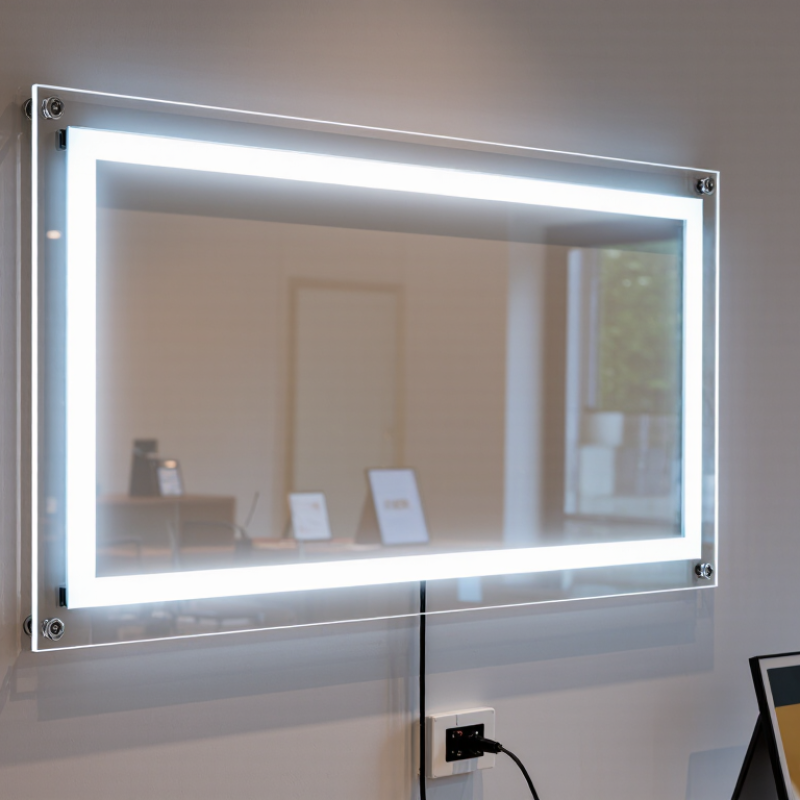
An Acrylic Led Sign Board combines a clear acrylic face with energy-efficient LED lighting. It creates bright, readable displays for shops, offices, reception areas, and indoor events. Unlike ordinary printed signs, it can glow evenly after sunset. The acrylic surface also supports polished edges, layered lettering, and custom colors. These details help a storefront look more distinctive without making the message difficult to read.

A reliable sign begins with suitable materials and careful design. Opt for UV-resistant acrylic when the board will face sunlight. Check LED brightness, color temperature, power consumption, and heat management before ordering. A shallow sign may look elegant, but it can limit internal spacing and ventilation. This is an easy detail to overlook. Experienced sign makers usually test letter visibility from the pavement, not only from a design screen. They also protect wiring, seal outdoor joints, and provide accessible power controls. Installation should follow local electrical and building requirements. Qualified technicians can reduce risks involving mounting strength, moisture, and cable routing. Regular cleaning with a soft cloth preserves clarity. Harsh solvents may damage the acrylic finish.

The best choice depends on viewing distance, brand style, budget, and location. A premium appearance is not always the most practical option. Some designs appear impressive but lose readability under strong daylight. This guide explains construction, lighting methods, advantages, limitations, maintenance, and purchasing considerations. It aims to offer practical information for making a dependable decision, while recognizing that every site presents different challenges.
What Is an Acrylic LED Sign Board?

Definition and Core Components of an Acrylic LED Sign Board

An acrylic LED sign board is a lighted display built from a transparent or translucent acrylic panel. The panel carries printed graphics, cut letters, or engraved details. LEDs illuminate the surface from the edge or behind it. The result is a bright, slim sign for shops, reception areas, exhibitions, and public interiors.

Its core components work as one system. The acrylic face provides shape, color, and light diffusion. LED modules or strips create the illumination. A constant-voltage driver converts incoming power safely for the LEDs. The enclosure, often aluminum, supports the panel and helps release heat. Wiring, connectors, mounting hardware, and a diffuser complete the assembly.

A poorly matched diffuser can create bright spots. It happens more often than installers admit.

The U.S. Department of Energy’s 2023 Solid-State Lighting R&D Opportunities report identifies efficacy, thermal management, and controls as continuing development priorities. These concerns apply directly to sign boards. A cooler LED system usually maintains brightness longer. The International Energy Agency reported that LED lamps reached about 50% of global lighting sales in 2022, showing strong market acceptance of solid-state lighting. However, sign performance depends on more than LED quantity. Excessive brightness can cause glare, while weak power supplies create flicker or uneven illumination. In practical installation work, measuring panel thickness, viewing distance, and ambient light before fabrication prevents expensive revisions. Acrylic also scratches easily. Careful cleaning matters.

How an Acrylic LED Sign Board Works

What Is an Acrylic LED Sign Board?

How an Acrylic LED Sign Board Works

An acrylic LED sign board combines a transparent PMMA panel with LEDs, wiring, and a power supply. The panel carries the message, while the LEDs create controlled illumination. PMMA usually has a refractive index near 1.49. This property helps guide light through the sheet before it reaches engraved or printed areas.

Many edge-lit signs place LEDs along the panel’s sides. Light enters the acrylic and travels internally. Laser-etched dots or shallow grooves then redirect light toward the viewer. Other signs use rear-mounted LED modules and a diffuser. This layout produces stronger brightness but needs more depth. Uneven spacing can create bright spots. The design is not foolproof.

LED efficiency affects operating cost. The U.S. Department of Energy’s solid-state lighting reports show modern LED packages can exceed 150 lumens per watt under suitable conditions. Actual sign performance is lower because of optics, heat, wiring, and power conversion. ENERGY STAR data also indicates LEDs use substantially less energy than incandescent lighting and last much longer. These figures support efficient design, but they should not replace field testing. A sign may look bright in a workshop and appear weak under direct sunlight. Installers should check viewing distance, panel thickness, ventilation, and nighttime glare. Even small mistakes matter.

What Is an Acrylic LED Sign Board? — How an Acrylic LED Sign Board Works
Component or Dimension What It Is How It Works Typical Characteristics Practical Considerations
Acrylic Face or Panel A rigid sheet made from polymethyl methacrylate (PMMA), commonly called acrylic. It forms the visible sign surface and transmits, diffuses, or reflects light from the LED system. Lightweight, weather-resistant, impact-resistant compared with ordinary glass, and available in clear, translucent, frosted, or colored finishes. Surface scratches can affect appearance, so non-abrasive cleaners and soft cloths are recommended.
LED Light Source Light-emitting diodes arranged as modules, strips, edge lights, or a backlight system. When electric current passes through the semiconductor, it produces visible light with relatively low heat output. Available in single-color, white, RGB, and addressable formats; brightness depends on LED type, quantity, and current. LEDs require suitable current regulation and adequate thermal management for reliable operation.
Illumination Method The optical arrangement used to distribute light across the acrylic sign. Front lighting illuminates the face directly, edge lighting sends light through the acrylic edge, and backlighting projects light toward the panel. Edge-lit signs can produce a slim appearance; backlit signs generally need controlled spacing for even illumination. Uneven LED spacing, insufficient diffusion, or excessive brightness may create visible hot spots.
Graphic or Lettering Layer Printed, cut, engraved, routed, or applied text and graphics on or within the acrylic structure. The graphic layer controls which areas transmit, block, or modify the LED light. Common effects include illuminated lettering, logos, patterns, translucent colors, and frosted details. Opaque and translucent materials should be selected according to the desired contrast and light transmission.
Diffuser A translucent layer or textured acrylic surface that spreads light. It scatters concentrated LED output to reduce bright points and create a more uniform visual field. Diffusion improves consistency but can reduce peak brightness because some light is scattered or absorbed. The diffuser distance from the LEDs and its transmission level affect uniformity and efficiency.
Power Supply An electrical unit that converts incoming mains electricity to the low-voltage DC power required by the LEDs. It regulates voltage and supplies controlled current to the LED modules or controller. Many LED sign systems use low-voltage DC outputs such as 12 V or 24 V, depending on the LED configuration. The power supply should match the required voltage and include capacity above the calculated operating load.
Controller or Dimmer An optional device used to control brightness, color, animation, or on/off timing. It adjusts the electrical signal sent to the LEDs, often using pulse-width modulation for dimming. Basic systems may use a switch or timer; advanced systems can provide RGB color control and programmed effects. Controller compatibility depends on LED type, voltage, channel requirements, and total load.
Electrical Consumption The amount of electrical power used while the sign is operating. Total consumption is determined mainly by the number of LEDs, their rated power, operating current, and brightness setting. LED signs generally consume less electricity than comparable fluorescent-lit signs, but actual usage varies by design. Calculate load using the manufacturer-rated wattage and allow additional capacity for the power supply.
Brightness The visible intensity of light produced by the sign. Brightness is influenced by LED output, current, optical diffusion, acrylic transmission, viewing distance, and ambient light. Indoor signs usually need less brightness than signs exposed to direct sunlight. Excessive brightness can cause glare, while insufficient brightness reduces readability in bright environments.
Color Temperature A description of the appearance of white light, measured in kelvins (K). Lower values appear warmer and more yellow; higher values appear cooler and more bluish. Warm white is commonly associated with a softer appearance, while cool white can provide a cleaner, brighter look. Choose a color temperature that supports the sign's graphic design and surrounding lighting conditions.
Heat Management The methods used to control heat generated by LEDs and electrical components. Heat is transferred through LED substrates, mounting surfaces, ventilation, and sometimes metal heat sinks. LEDs produce less heat than many traditional light sources, but they are not heat-free. Excessive heat can shorten LED life and reduce brightness, especially in enclosed installations.
Typical Service Life The expected operating period before LED output declines significantly. LED performance gradually decreases over time rather than normally failing immediately like a traditional lamp. Many quality LED systems are designed for tens of thousands of operating hours under appropriate temperature and electrical conditions. Actual service life depends on LED quality, operating current, heat, moisture, power stability, and usage hours.
Installation Structure The frame, spacers, brackets, standoffs, or enclosure that supports the acrylic and lighting components. It positions the panel and LEDs at the required distance while protecting electrical parts and maintaining alignment. Common mounting methods include wall mounting, suspended mounting, cabinet installation, and freestanding displays. Fasteners and supports should be suitable for the sign's weight, size, wind exposure, and mounting surface.
Indoor and Outdoor Suitability The ability of the complete sign assembly to operate in a particular environment. Environmental suitability depends on the acrylic, enclosure, wiring, power supply, seals, and LED components as a complete system. Acrylic is suitable for many indoor and outdoor applications, but not every sign assembly is weatherproof. Outdoor installations require protection from moisture, ultraviolet exposure, temperature changes, and condensation.
Maintenance Requirements Routine actions used to keep the sign clean, bright, and electrically safe. Cleaning removes dust and residue that can reduce light transmission; inspection identifies loose connections, moisture, or damaged LEDs. LED systems typically need less lamp replacement than fluorescent systems. Disconnect power before servicing electrical parts and follow applicable electrical safety requirements.

Main Types and Design Structures

What Is an Acrylic LED Sign Board?

Main Types and Design Structures

An acrylic LED sign board combines a clear or colored acrylic face with internal LED lighting. The acrylic spreads light evenly while protecting the electrical components. Its design usually depends on viewing distance, brightness needs, and installation position.

The main type is the edge-lit board. LEDs sit along the acrylic edges and create a slim, modern appearance. It works well for indoor directories and wall signs. Front-lit boards place LEDs behind printed or cut acrylic letters. They produce stronger visibility from several meters away. Back-lit structures create a soft halo against the wall. This effect suits reception areas and premium interiors. Some boards use layered acrylic, raised letters, or shallow boxes. These structures add depth, but they may require more careful alignment.

A practical structure includes an acrylic face, LED modules, a frame, wiring, and a rear panel. Light-diffusing acrylic can reduce bright spots. However, poor spacing may still create uneven patches. That small flaw matters.

Tips: Choose the sign type after checking viewing distance and ambient light. Keep LED modules evenly spaced behind opaque areas. Add ventilation when the enclosure is deep. Test a sample panel before full production. Acrylic can scratch easily, so remove its protective film only during final installation. The design may look perfect on screen, yet physical testing often reveals glare, shadows, or weak corners.

Key Benefits and Limitations

What Is an Acrylic LED Sign Board?

Key Benefits and Limitations

An acrylic LED sign board combines a clear or colored acrylic panel with LED lighting. The panel is usually cut, engraved, or printed before illumination. Edge lighting creates a clean glow along letters and shapes. Front lighting gives stronger visibility from a distance. In practical installations, acrylic works well for reception desks, shopfronts, directional signs, and indoor displays.

Its main benefit is visual clarity. Acrylic is lighter than glass and can produce smooth, modern lettering. LEDs also consume relatively little electricity and generate less heat than older lighting systems. The material is easy to clean with a soft cloth. Custom sizes and curved designs are possible. Very bright signage is not always better. Excessive brightness can create glare on polished surfaces or disturb nearby viewers.

Limitations deserve equal attention. Standard acrylic may scratch, crack, or discolor under strong sunlight and temperature changes. It is not automatically waterproof; outdoor use needs sealed edges, suitable wiring, and protected power components. Dust inside the panel can become visible, especially with shallow lettering. Uneven LED spacing may create dark patches. I have also found that installation quality often matters more than the panel itself. A beautiful design can still look weak when the light color, mounting distance, or viewing angle is poorly chosen. Testing a sample at night is a small step, but it can prevent an expensive correction.

What Is an Acrylic LED Sign Board? – Key Benefits and Limitations

Acrylic LED sign boards use light-emitting diodes behind or inside an acrylic panel to create bright, lightweight, and customizable signage. The chart shows an indicative practical assessment based on common acrylic and LED characteristics, using a 1–10 scale.

How to read the chart: Blue bars represent common advantages, including strong brightness, design flexibility, weather resistance, and efficient LED operation. Orange bars represent practical limitations, such as initial cost, acrylic impact sensitivity, heat management requirements, and maintenance considerations. Actual performance depends on panel thickness, LED layout, enclosure quality, installation conditions, and weather exposure.

Common Applications and Selection Factors

What Is an Acrylic LED Sign Board?

An acrylic LED sign board uses a clear or colored acrylic panel with internal LED lighting. The panel spreads light across letters, symbols, or printed graphics. Compared with traditional boards, it looks cleaner and remains readable at night.

Common Applications and Selection Factors

These signs work well for storefronts, reception desks, shopping centers, restaurants, clinics, and indoor wayfinding. A shallow wall sign can identify a reception counter. A larger illuminated panel can attract attention from passing traffic. They also suit event spaces, although temporary displays may need lighter materials.

Selection should begin with viewing distance and lighting conditions. For a narrow hallway, soft illumination and moderate brightness usually prevent glare. Outdoor installations need weather-resistant acrylic, sealed wiring, and secure mounting hardware. Indoor signs have more flexibility, but heat from powerful LEDs can still affect color and service life.

Panel thickness matters. Thin acrylic reduces weight, while thicker sheets often provide better rigidity and a richer appearance. Choose the LED color carefully. Cool white feels modern, but warm white may create a more welcoming atmosphere. Brightness is not everything. Excessive brightness can make small text harder to read.

Check power consumption, operating temperature, cleaning requirements, and access for repairs. Ask for actual lighting samples, not only digital drawings. Small details matter. A sign may look impressive on a screen yet appear uneven in a dim corridor. The ideal choice is rarely perfect; budget, visibility, durability, and design must be balanced.


This website uses cookies. By continuing to browse this site you are agreeing to our use of cookies. Please review our Privacy Policy for more information.