2026 Top Trends in Hydrochloric Acid Applications and Innovations?
The landscape of hydrochloric acid applications is evolving rapidly. As industries strive for innovation, the demand for this vital chemical grows. Hydrochloric acid, a strong mineral acid, plays a significant role in various sectors, including manufacturing, pharmaceuticals, and food processing. The versatility of hydrochloric acid makes it indispensable for cleaning, pH control, and production processes.
In 2026, we anticipate several remarkable trends that will shape the future of hydrochloric acid. Advances in production technology and environmental sustainability will be at the forefront. New applications in wastewater treatment and green chemistry are emerging, reflecting a shift towards more responsible usage. Companies are increasingly focused on reducing waste and optimizing resources, raising the bar for performance and safety in hydrochloric acid applications.
While the potential for growth is evident, challenges remain. Regulatory changes and environmental concerns prompt a reevaluation of traditional practices. The industry must navigate these hurdles while fostering innovation. Hydrochloric acid is poised for transformative developments, but it’s essential to address its potential risks responsibly. This evolution requires a balance between innovation and safety to ensure that the future of hydrochloric acid remains positive and productive.
2026 Trends in Hydrochloric Acid Industrial Applications
Hydrochloric acid plays a crucial role in various industrial applications in 2026. Its versatility supports industries such as metal processing, food production, and pharmaceuticals. Recently, there is a growing emphasis on safer handling and disposal methods. Innovations focus on minimizing environmental impact. Manufacturers are exploring sustainable alternatives to enhance their operations.
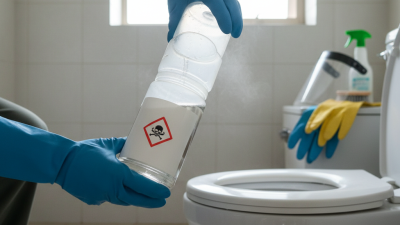
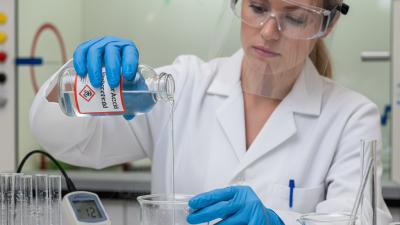
Tips: Always consider safety protocols when working with hydrochloric acid. Personal protective equipment (PPE) is essential. Regular training on proper handling techniques can prevent accidents.
The demand for hydrochloric acid derivatives is rising. Many industries utilize it for pH regulation and waste treatment. This acid serves as a vital component in cleaning operations. However, the focus on greener practices continues to challenge existing methods. Alternatives are often more expensive or less effective. Industries must evaluate their processes continuously.
Tips: Keep abreast of regulatory changes regarding hydrochloric acid usage. Consulting with experts can provide valuable insights. Engage with industry forums to stay informed about best practices.
Emerging Innovations in Hydrochloric Acid Production Techniques
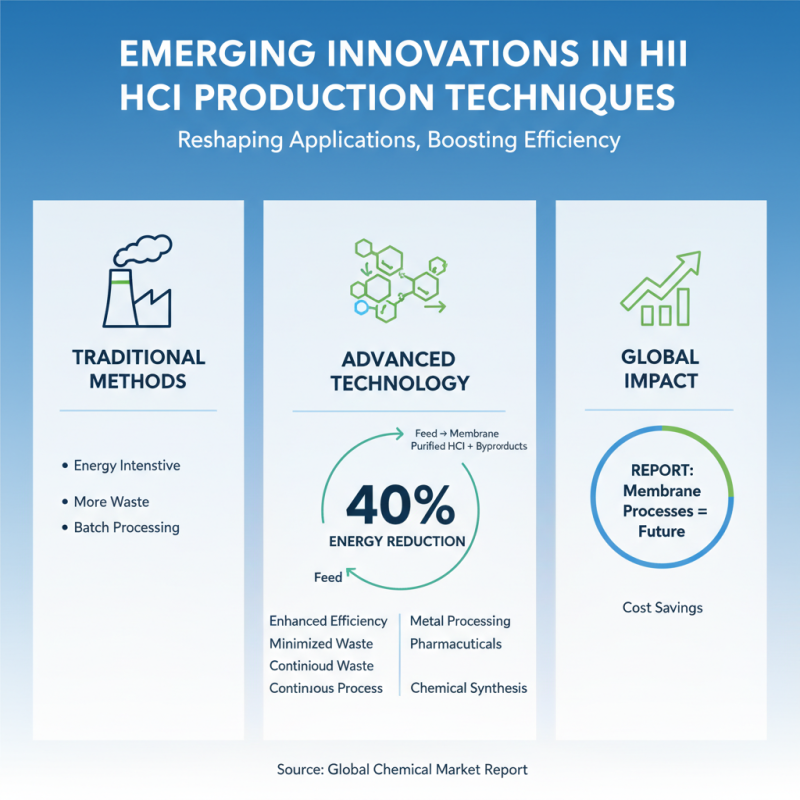
Hydrochloric acid plays a vital role in various industries, from metal processing to pharmaceuticals. Recent innovations in production techniques are reshaping its application landscape. For instance, advanced membrane technology is gaining traction. This approach enhances efficiency and minimizes waste. A report from the global chemical market indicates that membrane processes could reduce energy consumption by up to 40%.
Another notable innovation is the integration of renewable energy sources into hydrochloric acid production. This shift can lead to a more sustainable process. The use of solar energy in chemical synthesis is promising. Studies suggest that using renewables can cut CO2 emissions significantly. However, the implementation of these technologies faces challenges, including high initial costs and the need for technical expertise.
Moreover, continuous advancements in automation are streamlining hydrochloric acid production. Smart manufacturing techniques are being adopted, allowing for real-time monitoring of production conditions. This increases product consistency and safety. Yet, reliance on automation may overlook the importance of skilled labor. Balancing technology and human expertise is crucial for future innovations. Each of these developments highlights both opportunities and challenges in the evolving landscape of hydrochloric acid applications.
Impact of Hydrochloric Acid on Environmental Sustainability Efforts
Hydrochloric acid plays a crucial role in various industries. Its applications range from metal processing to food production. However, its impact on environmental sustainability raises important questions. This compound, while effective, can pose risks if not managed properly. As industrial demands grow, the challenge is to balance efficiency with safety.
In recent years, the focus has shifted toward safer methods of hydrochloric acid use. Innovations like closed-loop systems are being developed. These systems minimize waste and reduce harmful emissions. Additionally, recycling hydrochloric acid can lessen the environmental footprint. Yet, the implementation of these technologies is not without its challenges. Many facilities may lack the necessary infrastructure or training to adopt these practices.
Sustainability efforts require more than just new technologies. Continuous education and awareness within industries are essential. Workers need to understand the environmental implications of hydrochloric acid. Open discussions about safety practices can lead to significant improvements. It is vital for companies to evaluate their current processes. This reflection can help identify opportunities for enhancing environmental responsibility.
2026 Top Trends in Hydrochloric Acid Applications and Innovations
This bar chart illustrates the projected growth in various applications of hydrochloric acid by 2026. The applications include industrial cleaning, food processing, oil and gas recovery, metal production, and water treatment, highlighting the increasing importance of hydrochloric acid in diverse industries.
Advancements in Safety Protocols for Hydrochloric Acid Handling
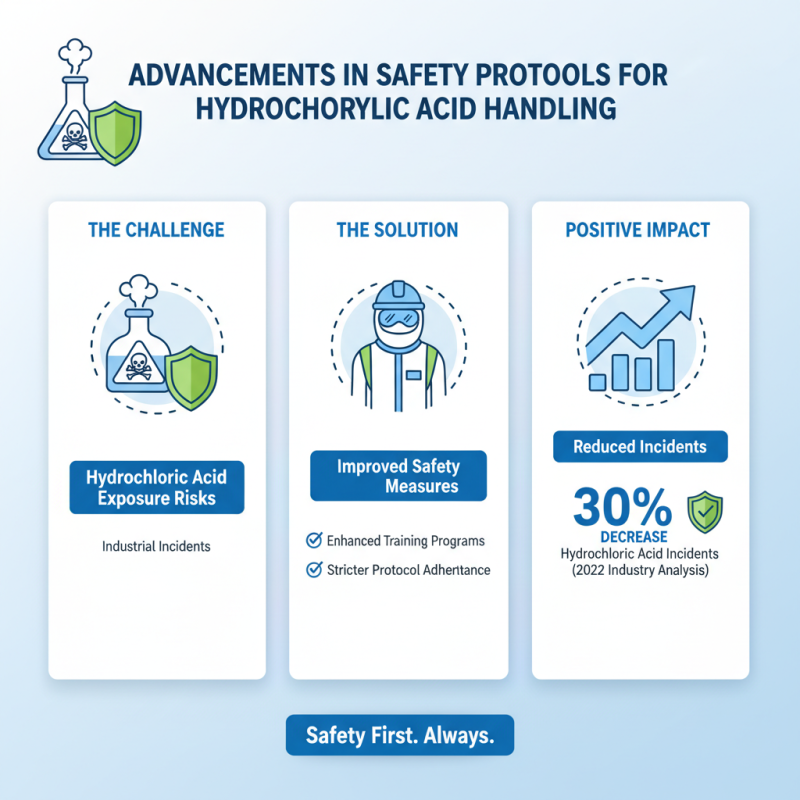
The safe handling of hydrochloric acid is paramount in various industries. Recent reports highlight a growing focus on safety protocols over the past few years. According to a 2022 industry analysis, incidents related to hydrochloric acid exposure decreased by 30% after implementing improved training programs. This indicates the effectiveness of increased awareness and protocol adherence.
Modern facilities are adopting advanced safety measures. Use of real-time monitoring systems can alert staff about leaks or spills. In 2023, a survey revealed that 85% of chemical plants now utilize automatic shut-off valves. However, challenges persist in older facilities that lag in technology adoption, exposing workers to unnecessary risks.
Further, the development of personal protective equipment (PPE) tailored for hydrochloric acid handling has also improved. New materials reduce chemical permeation, increasing worker safety. Nonetheless, there is still a gap in widespread adoption among smaller companies. Continuous education and training are crucial to bridging this gap. Enhanced emergency response plans are also necessary to respond to unpredictable situations effectively.
Hydrochloric Acid Market Dynamics and Future Predictions for 2026
Hydrochloric acid plays a vital role in various industries. Its applications span from chemical processing to food production. By 2026, the hydrochloric acid market is projected to reach $5.78 billion, growing at a CAGR of 6.1% according to industry reports. This growth signals expanding applications and innovations in HCl effectiveness.
The demand for hydrochloric acid in the food industry is rising. It is used for processing and preserving food, ensuring safety. Additionally, its use in manufacturing vinyl chloride for PVC production is noteworthy. PVC's applications are extensive, impacting construction and automotive sectors. However, fluctuations in raw material costs pose challenges.
Tips: When investing or exploring opportunities in hydrochloric acid production, stay informed about market trends. Regularly review industry reports to understand emerging applications. Conduct thorough risk assessments to minimize uncertainties. The future of hydrochloric acid looks promising, yet attention to market shifts is essential for success.
2026 Top Trends in Hydrochloric Acid Applications and Innovations
| Application Area |
Innovation Trend |
Market Dynamics |
Future Predictions |
| Industrial Cleaning |
Eco-friendly formulations |
Growing demand in manufacturing sectors |
Increased use of biodegradable cleaning agents |
| Food Processing |
Use in food preservation |
Regulatory changes affecting usage |
More applications in organic food processing |
| Chemical Manufacturing |
Advancements in production methods |
Stable growth in chemical sector |
Integration of automation and AI in production |
| Metal Processing |
Innovative etching techniques |
Rising demand for clean metals |
Expansion in renewable energy sector |
| Pharmaceuticals |
New synthesis processes |
Increased focus on active pharmaceutical ingredients (APIs) |
Growth in personalized medicine |