2026 Top Fall Arrest System Trends for Global Buyers?
As workplace safety concerns intensify, the demand for effective Fall Arrest Systems is on the rise. According to a recent report by MarketsandMarkets, the global Fall Arrest Systems market is projected to reach USD 4.94 billion by 2026, growing at a CAGR of 6.4%. This increasing market size points to a critical shift in safety culture across industries, emphasizing the need for reliable safety measures.
Innovations in technology are reshaping this field. Smart harnesses that monitor user movements and environmental conditions are becoming more prevalent. The integration of wearable technology is also gaining traction, as numerous studies highlight its potential to prevent falls and enhance worker safety. However, some systems still lack user-friendliness and customization options, which can hinder adoption rates among workers.
Awareness of regulatory standards further influences purchasing decisions for global buyers. Many organizations struggle with compliance, leading to a reactive rather than proactive approach to safety. Continuous education and effective training programs remain essential yet often overlooked components. Ultimately, the evolution of Fall Arrest Systems reflects broader industry trends, promoting not just compliance but a culture of safety.
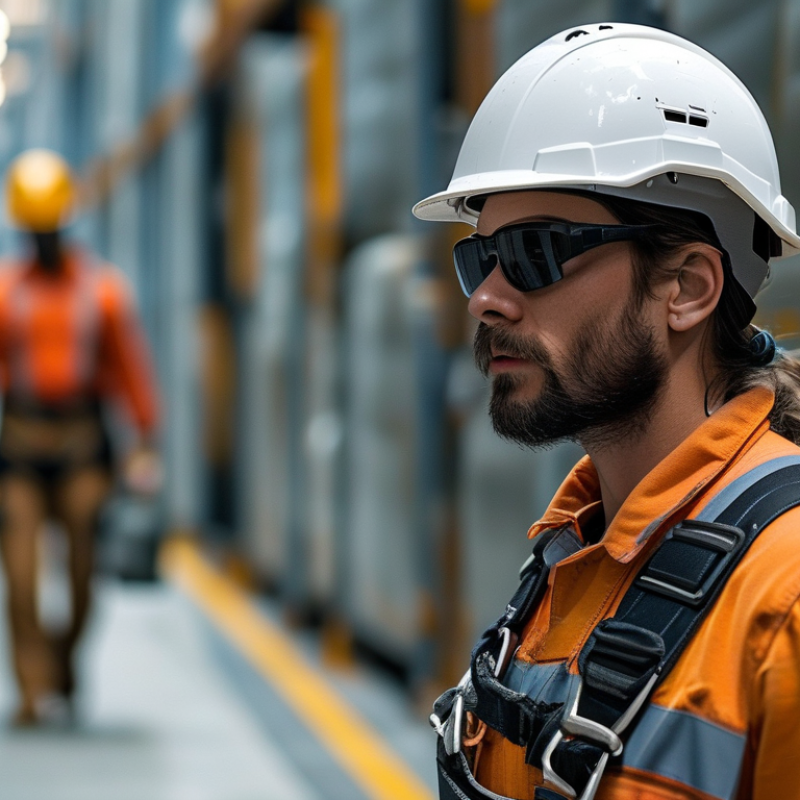
Emerging Technologies in Fall Arrest Systems for 2026
In 2026, the landscape of fall arrest systems is set to evolve significantly. Emerging technologies are driving innovation in this field. According to recent industry reports, the global fall protection market is projected to surpass $3 billion by 2026. This growth is attributed to advanced engineering solutions and enhanced safety regulations.
Wearable technology is one prominent trend. Smart harnesses equipped with sensors can monitor a worker’s position and detect falls in real-time. These devices can send alerts and notifications directly to safety managers. Such innovations exemplify proactive safety measures. However, the integration of technology can present challenges. Not all users are tech-savvy, leading to potential underutilization.
Another significant development is the use of drone-assisted rescue systems. Drones can quickly reach workers in distress, offering immediate assistance. This could reduce rescue times by over 30%, according to some studies. Yet, issues regarding reliability and operator training remain. Proper training ensures that workers can effectively use these systems in emergencies.
Global Standards and Regulations Affecting Fall Arrest Systems
Ensuring safety in hazardous environments is essential. As global standards and regulations evolve, fall arrest systems must keep pace. Workers at heights face risks daily. Therefore, compliance with international safety regulations is critical. Authorities often update guidelines to enhance worker protections, making it imperative for businesses to stay informed.
In recent years, standards like ISO 45001 and OSHA regulations have shaped the fall arrest landscape. These guidelines emphasize proper training and equipment use. Companies failing to adhere to these regulations might face serious consequences. Regular audits and updates can help organizations remain compliant. Workers should also be educated about equipment usage.
Tips for compliance include reviewing updates regularly. Attend workshops to learn about the latest standards. Inform employees about their rights and responsibilities. Encourage feedback on safety practices. A culture of safety must be fostered at all levels. This ongoing dialogue can reveal gaps and foster improvements, ensuring all workers remain safe while on the job.
Innovative Materials and Design Trends for Safety Harnesses
The landscape of safety harness design is evolving. Innovative materials are at the forefront of these changes. Lightweight composites and advanced textiles are enhancing comfort without sacrificing strength. Users demand more flexibility, allowing for better movement during work. This innovation minimizes fatigue, promoting overall safety.
Design trends are also shifting. Ergonomic designs are becoming crucial for user acceptance. Adjustable features allow harnesses to fit diverse body types. This inclusivity is vital for diverse workforces. Reflective materials are being integrated for visibility in low-light conditions. These adaptations reflect a growing understanding of user needs.
However, as trends emerge, challenges remain. Balancing cost and innovation can be difficult. Not all new materials are tested thoroughly. Thus, some products may lack the reliability required for extreme conditions. Continuous testing and feedback from real users are essential. This connection between users and designers is crucial for future advancements in fall arrest systems.
Market Drivers and Buyer Considerations for Fall Protection Solutions
As the demand for fall protection solutions grows, understanding market drivers and buyer considerations becomes crucial. A report from ResearchAndMarkets indicates that the global fall protection market is expected to reach $3.78 billion by 2026, exhibiting a CAGR of 7.3%. This growth reflects a heightened emphasis on worker safety across various industries, including construction and manufacturing. Companies increasingly recognize the financial implications of workplace accidents, which can lead to severe penalties and lost productivity.
Investors and buyers are focusing on advanced safety equipment due to regulatory changes and technology innovations. The integration of smart technologies, such as wearables and IoT-enabled devices, offers data-driven insights to enhance safety measures. According to a survey by MarketsandMarkets, around 60% of construction firms are considering these innovative solutions as they seek to minimize risks. However, challenges remain. Not all players in the market are equipped to utilize these technologies effectively. Some smaller firms might struggle to integrate advanced systems into their existing frameworks, raising concerns about implementation and training.
Moreover, the choice of fall protection systems is influenced by the specific work environment. A one-size-fits-all solution does not exist. Buyers often encounter a complex landscape of options, each with differing compliance requirements. This complexity can create hesitation, leading to potential gaps in safety measures. Buyers must weigh the benefits of high-tech solutions against the realities of their operational capabilities. As the landscape of fall protection continues to evolve, so must the strategies employed by buyers to ensure effective safety implementation.
2026 Top Fall Arrest System Trends for Global Buyers
| Trend | Market Driver | Buyer Consideration | Projected Growth (%) |
| Integration of Smart Technology | Increased safety awareness and demand for automation | Compatibility with existing systems | 15% |
| Use of Lightweight Materials | Focus on worker comfort and mobility | Durability and strength under load | 10% |
| Increased Regulatory Compliance | Stringent safety regulations in various industries | Certifications and compliance history | 20% |
| Rise of Customized Solutions | Need for tailored safety solutions for diverse applications | Flexibility and customization options | 12% |
| Sustainability Initiatives | Growing emphasis on environmental responsibility | Eco-friendly materials and processes | 18% |
Future Predictions: The Evolution of Fall Arrest Systems by 2026
As we look ahead to 2026, fall arrest systems are set to change significantly. Innovations in materials will result in lighter and stronger harnesses. These improvements enhance both safety and comfort for users. Greater emphasis on user-friendly designs will encourage more consistent use. However, it’s crucial for companies to maintain rigorous testing protocols to validate these advancements.
Tips from experts suggest that regular training is vital. Workers must understand how to use new systems effectively. Checking equipment before each use will prevent accidents. Moreover, organizations should promote a culture of safety, where employees can voice concerns. This collaboration can lead to further improvements.
We can expect integration of technology in fall arrest systems. Sensors and smart devices may monitor user movements in real time. This technology can alert users when unsafe practices occur. However, reliance on technology raises concerns about data privacy and cybersecurity. These issues need to be addressed proactively to build trust among users.
2026 Top Fall Arrest System Trends for Global Buyers
The chart above illustrates the projected trends impacting the fall arrest systems market by 2026, evaluated by their impact score on a scale of 1 to 10. Key areas include material innovation and technological integration, which are expected to lead the evolution of safety solutions in this sector.